
Trees
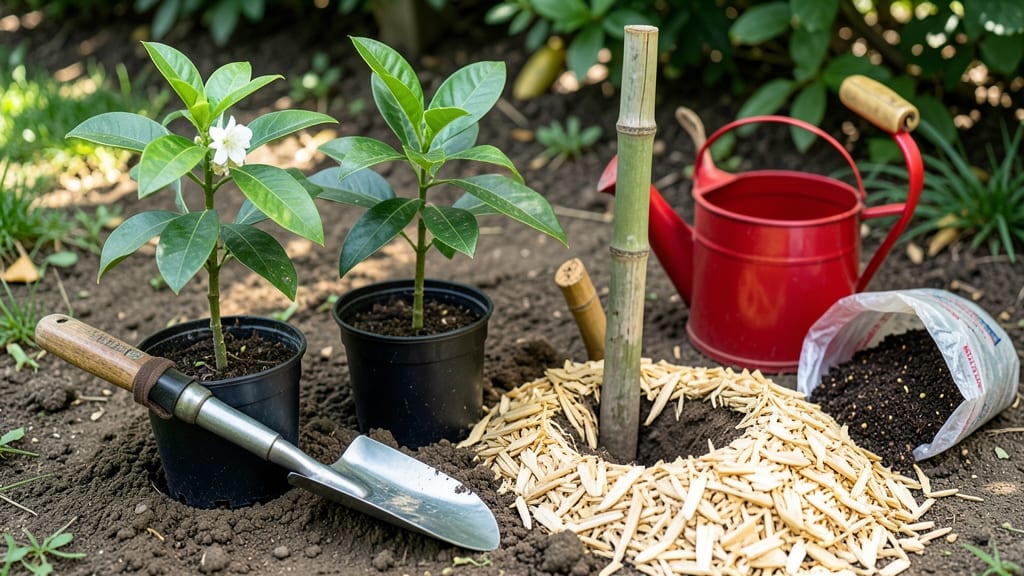
Timing is everything when it comes to planting fruit trees in California—get it wrong, and your 🍎 saplings might struggle to take root in the Golden State's diverse climates.
Whether you're in frost-prone Northern California or the near-tropical coastal regions, knowing the best months to plant can mean the difference between a thriving orchard and years of frustration.
Most gardeners assume spring is the only window, but California's microclimates create exceptions that could cost you precious growing seasons. From citrus groves in the desert to stone fruit orchards along the coast, each region has its own ideal planting timeline tied to soil temperatures and rainfall patterns.
I've spent years helping California gardeners perfect their planting schedules, and what I'm about to share will help you avoid common mistakes that waste time and resources. Let me show you exactly when to plant based on your specific zone—so you can enjoy homegrown fruit sooner than you think.
The key is understanding how your local climate affects dormancy periods and root establishment. Whether you're planting bare-root trees in winter or container-grown varieties in early spring, these insights will give your fruit trees the best possible start for years of abundant harvests.
Best planting months for fruit trees in California by climate zone
California's diverse climate zones—from foggy coastal areas to scorching deserts—create wildly different planting windows for fruit trees. In Northern California, where winters are cooler and frost lingers until March or April, you'll want to plant most trees in late winter or early spring to avoid cold snaps.
Meanwhile, Southern California offers a longer planting season, with citrus trees thriving year-round and stone fruits planted in winter or early spring to establish roots before summer heat.
Even within these broad regions, microclimates matter. For example, San Francisco's coastal fog can delay planting by weeks compared to Sacramento's inland valleys. My best advice? Check your USDA hardiness zone (California spans 5a to 10b) and local frost dates before selecting planting dates.
Below, I’ve broken down the best months for citrus, stone fruits, and nut trees across California’s key climate zones.
Pro Tip: Bare-root trees should always be planted during their dormant season—typically December through February—while container-grown trees offer more flexibility and can be planted year-round with proper care.
If you’re in Northern California’s cooler
Critical factors that determine your planting timeline
California’s diverse climate—from Mediterranean coastal regions to arid desert valleys—means your fruit tree’s planting window depends on more than just the calendar. The soil temperature at planting depth (typically 6–8 inches) is the #1 factor.
For most fruit trees, roots need consistent warmth above 50°F (10°C) to establish without shock. In Northern California (USDA Zones 7–9), this usually aligns with March–April, while Southern California (Zones 9–11) can plant as early as February in frost-free areas.
Next, frost dates dictate dormancy periods. Citrus and subtropical trees (like avocados) cannot tolerate frost, so they’re planted in winter (Dec–Feb) to avoid spring cold snaps.
Meanwhile, stone fruits (peaches, plums) and nut trees (almonds, walnuts) thrive when planted in late winter—after the last frost but before active bud break. Check your local USDA frost map or California Climate Zones to pinpoint your area’s 10-year average frost dates.
Don’t overlook rainfall patterns, especially in drought-prone inland areas. Planting during California’s wet season (Nov–Mar) gives young roots the moisture they need to establish before summer dry spells.
In desert regions (e.g., Palm Springs), where rainfall is scarce, irrigation planning is critical—aim to plant when you can commit to deep watering 2–3 times/week for the first 3 months. Even coastal fog belts (like Santa Cruz) have unique microclimates where humidity levels affect root health.
For bare-root trees, timing is even tighter: they must be planted while dormant (Dec–Feb) to minimize transplant shock. Container-grown trees, however, offer flexibility—you can plant them year-round in frost-free zones, but spring (March–May) still gives roots the best 6–8 weeks of warm soil before summer heat.
Pro tip: Use a soil thermometer to monitor temperatures at planting depth. If your soil is below 50°F (10°C), wait 2–4 weeks—cold soil can stunt root growth by 30–50%. Pair this with mulching (3–4 inches of wood chips) to retain soil warmth and reduce moisture loss.
Finally, local nurseries are your best resource. They know microclimate nuances—like how San Francisco’s coastal fog delays bud break by 2–3 weeks compared to Sacramento’s inland heat.
Ask about region-specific rootstocks (e.g., Brix rootstock for peaches in hot valleys) and disease-resistant varieties tailored to your area’s soil pH and pests. 🌱