
Plants
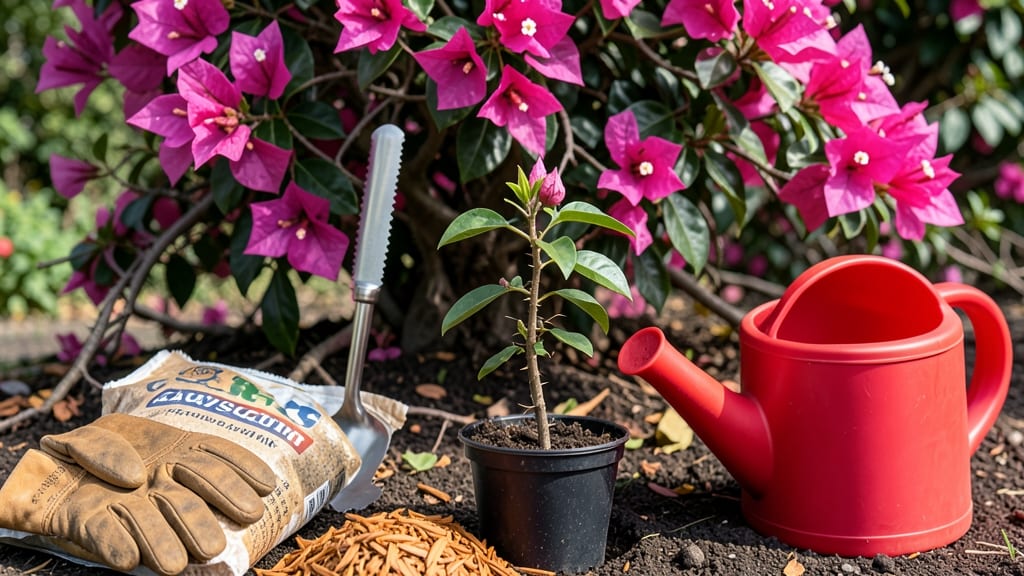
Planting bougainvillea 🌸 in Arizona at the wrong time can turn your vibrant dream garden into a sad, wilted mess—especially when the blazing sun meets unprepared roots.
You’ve got the perfect climate for these bold bloomers, but timing matters more than you think. The key? Planting between November and March when temperatures are mild and the monsoon season has passed, giving your bougainvillea the best chance to establish strong roots before summer’s intensity.
Whether you’re in Phoenix’s desert heat or Flagstaff’s cooler microclimate, this guide breaks down exactly when to plant for year-round blooms—plus how container gardening can extend your window if you’re eager to get started.
Let’s dive into the secrets for thriving bougainvillea that’ll make your Arizona landscape pop with color, no matter the heat zone.
Best planting months for bougainvillea in Arizona’s heat zones
Arizona’s 11 distinct heat zones create unique microclimates where bougainvillea thrives—but only when planted at the right time. Unlike most plants, bougainvillea blooms best when established before 100°F+ summer heat, making winter the ideal window.
However, Arizona’s USDA zones 7b-10a mean your local timing may vary by just a few weeks between Phoenix and Flagstaff.
In low desert zones (Phoenix/Tucson), I recommend planting between November and February when daytime temps stay below 85°F. For higher elevations (Flagstaff/Sedona), extend your window through March to avoid late spring frosts.
Cold-hardy varieties like 'California Gold' can even handle brief dips to 20°F, while tropical types need USDA zone 9+ protection.
Here’s how Arizona’s heat zones break down for bougainvillea planting:
For container planting, you can push these windows slightly earlier or later by 2-3 weeks since pots warm up faster. Just ensure your container has drainage holes and use a cactus/succulent mix to prevent root rot in Arizona’s intense sun.
I’ve had success planting 'Thunderbird' bougainvillea in containers as early as October in Phoenix with afternoon shade protection.
Watch for monsoon season (July-September) when planting outdoors—soil stays moist longer, which can suffocate young roots. Instead, I recommend late September planting right after monsoons end, when soil temps are ideal and humidity drops.
This gives roots time to establish before summer’s return. For tropical varieties, always plant after April 15 to avoid frost risk in higher zones.
Cold-hardy varieties like 'Orange King' can handle 25°F temps, while tropical types need USDA zone 9+ protection. In Flagstaff’s zone 7b, I’ve seen 'California Gold' survive winters with mulch blankets and south-facing walls for winter sun exposure.
For Phoenix gardeners, tropical types like 'Vera' bougainvillea thrive year-round with minimal winter care.
Pro tip: Test your soil temperature with a thermometer before planting—ideal temps are 6
Signs your bougainvillea isn’t ready to plant (and what to do instead)
Planting your bougainvillea at the wrong time in Arizona can lead to slow growth, poor blooming, or even plant death. The key is waiting for soil temperatures to stabilize and avoiding extreme heat or cold snaps.
Even in our mild winters, frost warnings (rare but possible in higher elevations) or triple-digit heat can shock young plants.
First, check your local weather forecasts for the next 2 weeks. If high temperatures are forecasted above 90°F or lows below 40°F, delay planting. Bougainvillea roots struggle to establish in extreme temperatures, and new growth can get sunburned in Arizona’s intense summer sun.
🌱
⚠️ WARNING: Common Planting Mistakes in Arizona
✖️ Planting in summer – New roots can’t handle 110°F+ soil temps and will dry out instantly.
✖️ Ignoring monsoon timing – Planting too late in September risks flash floods washing away young plants.
✖️ Skipping soil prep – Arizona’s clay-heavy soil needs amendments (like compost) to improve drainage.
💡 Solution: Test soil temps with a soil thermometer—ideal planting temps are 60-75°F.
Watch for dormancy cues in your bougainvillea. If the plant is still showing signs of winter dormancy—like brown bracts or leggy stems—it’s not ready. Healthy bougainvillea should have new green growth and vibrant bracts before transplanting. In Arizona, this typically happens by late February in most areas.
If you’re eager to plant outside the ideal window, consider container gardening. Containers give you flexibility to move plants indoors or into shade during heatwaves. Use well-draining pots (at least 12 inches deep) and place them in partial shade until temperatures stabilize.
Harden off container-grown plants by gradually exposing them to direct sunlight over 1-2 weeks.
For young plants, prepare them for Arizona’s intense sun by acclimating them to bright light before planting. Start with morning sun only, then gradually increase exposure. Mulch heavily around the base to retain moisture and regulate soil temperature.
A 2-3 inch layer of organic mulch (like bark or straw) can make a huge difference in our dry climate.
If you miss the ideal planting window, don’t panic! Bougainvillea is highly resilient, and even late plantings can thrive with proper care. Just be prepared for slower initial growth and extra attention to watering and shade protection during the first few months.
With patience, your bougainvillea will reward you with year-round blooms in no time. ☀️