
Plants
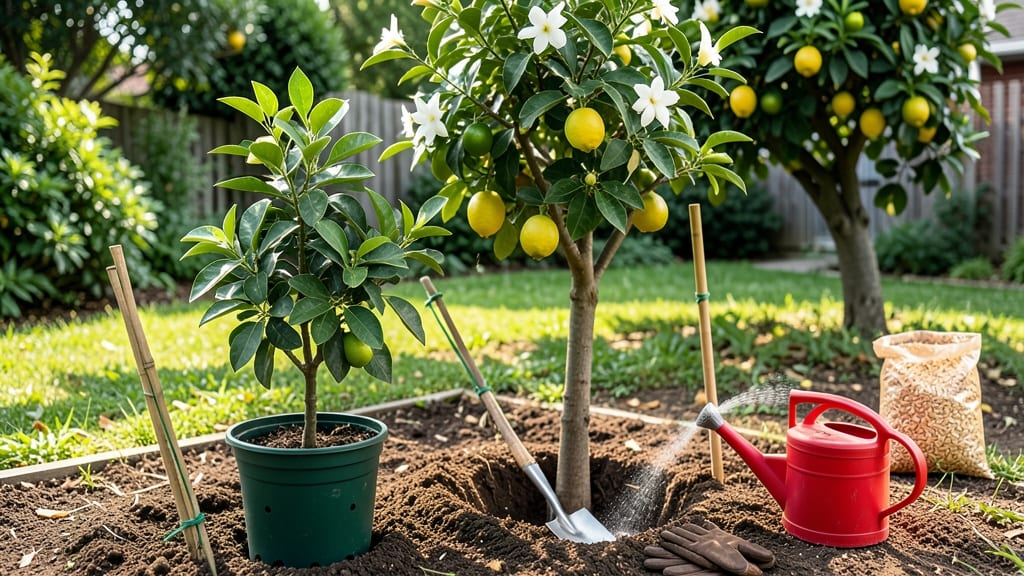
Planting a 🍋 lemon tree in Louisiana might seem simple—until you realize timing can make or break your harvest. The late winter to early spring window isn’t just ideal; it’s the difference between a thriving tree and one struggling against frost or humidity.
If you miss this frost-free period, your young tree could face stress or even death before it ever bears fruit.
Louisiana’s USDA zones 8a-9b give you a longer growing season than most places, but that doesn’t mean you can plant anytime. Coastal areas and inland zones have different risks—like unexpected late frosts—that demand careful planning.
I’ll break down the exact months to plant, how to adjust for microclimates, and what to watch for after you put your tree in the ground.
You’ll also learn how to prepare your lemon tree for Louisiana’s humid climate before planting, from soil prep to choosing the right variety. Whether you’re a first-time gardener or a seasoned grower, these steps will help your tree take root strong and start producing lemons faster than you’d expect.
Ready to grow your own 🍋 lemon tree without the guesswork? Let’s dive into the perfect planting schedule for your heat zone—and keep your tree healthy year-round.
Louisiana’s frost-free planting window for lemon trees by heat Zone
Louisiana’s warm subtropical climate creates perfect conditions for growing lemon trees, but frost timing varies dramatically across the state’s USDA heat zones. In Zone 8b, frost can linger until mid-March, while Zones 9a and 9b typically see frost-free conditions by early February.
Planting outside this window risks root shock or frost damage to young trees, so knowing your exact zone is critical.
For container-grown lemon trees, you have slightly more flexibility—you can plant 2-4 weeks earlier than in-ground trees because containers warm up faster. However, bare-root trees need extra time to establish roots before winter, so they should go in the ground no later than May in colder zones.
Always check your local last frost date using the National Weather Service or Louisiana AgCenter for precise timing.
| Heat Zone | USDA Zone | Last Frost Date (Avg.) | Ideal Planting Window | Frost Risk After Planting | Microclimate Adjustments |
|---|---|---|---|---|---|
| Zone 8b | 28°F to 32°F | Mid-March (varies yearly) | Late March to early April | Moderate (late frosts possible) | Plant near south-facing walls or use row covers for extra warmth. |
| Zone 9a | 30°F to 35°F | Early February (rare after March) | Late February to March | Low (occasional late frosts) | Coastal areas can plant 1-2 weeks earlier; inland areas may need mulch. |
| Zone 9b | 35°F to 40°F | Early January (rare after February) | January to early February | Very low (almost frost-free) | Northern parishes (e.g., Natchitoches) may need frost cloth in January. |
*Adjust planting dates based on your local microclimate—coastal areas (e.g., New Orleans) are warmer than inland regions (e.g., Shreveport).
If you’re in Zone 8b, wait until after March 15 to plant, as late frosts can still occur. I once planted a Meyer lemon tree in early March in Alexandria, and it suffered leaf burn during a 26°F snap in late March.
Since then, I’ve made it a rule to wait until mid-April in colder pockets of the zone.
For Zones 9a and 9b, you have a wider window—planting as early as January is safe in Zone 9b, but avoid planting in December unless you’re in a microclimate like Grand Isle, where frost is nearly unheard of.
In Zone 9a, aim for late February to give roots time to establish before summer’s intense heat.
Microclimates play a huge role in Louisiana. For example, New Orleans (Zone 9a) can be 5-10°F warmer than Baton Rouge just 60 miles north.
If you’re near water bodies like Lake Pontchartrain or the Mississippi River, you can plant 2-3 weeks earlier thanks to the heat-retaining properties of large bodies of water. Conversely, inland areas like Monroe or Ruston may need to delay planting by a week or two.
One of my biggest mistakes was ignoring soil temperature when planting. Lemon trees thrive when soil is at least 60°F. In Zone 8b, soil may not warm up until late April, even if air temperatures are mild.
Use a soil thermometer to confirm—planting in cold soil stresses roots and slows growth. I now test soil temperature for 3 consecutive days before planting to avoid this issue.
For container-grown trees, you can push the window slightly earlier because containers warm up faster. However, if nights are still chilly (below 50°F), move containers to a protected spot or use a frost blanket at night.
I’ve successfully planted potted lemon trees in early February in Zone 9a by keeping them near my south-facing patio during cold snaps.
After planting, focus on root establishment by keeping soil consistently moist (but not soggy) for the first 6-8 weeks. In Louisiana’s humid summers, this means watering deeply every 2-3 days rather than daily shallow watering.
Overwatering can lead to root rot, which is especially risky in clay-heavy soils common in northern Louisiana.
Finally, if you’re in a transition zone (e.g., Zone 8b/9a border), err on the side of caution and plant 2 weeks later than the official window. I’ve seen unexpected frost in early April in areas like Lafayette, so when in doubt, wait a little longer.
The goal is to give your lemon tree at least 6 months of frost-free growth before winter sets in.
How to prepare your lemon tree for Louisiana’s humid climate before planting
Louisiana’s humid subtropical climate creates perfect conditions for growing lemon trees, but the high moisture and heat demand extra preparation. Without proper prep, your tree faces root rot, fungal diseases, and poor drainage.
The key is starting with the right soil amendments, selecting the best variety, and protecting your tree from Louisiana’s unique challenges.
First, focus on drainage—lemon trees hate soggy roots. Louisiana’s heavy clay soils often compact, trapping water. Amend your soil with organic matter like compost or aged pine bark to improve aeration.
Aim for a 6.0–7.0 pH level—citrus thrives in slightly acidic soil. Test your soil before planting to avoid costly mistakes.
📋 Critical Pre-Planting Checklist for Louisiana
- 🌱 Choose disease-resistant varieties: 'Meyer' or 'Eureka' handle humidity best
- 💧 Test soil drainage: Dig a 12-inch hole—water should drain within 30 minutes
- ☀️ Select a full-sun spot: Minimum 6–8 hours daily, protected from afternoon winds
- 🪴 Use raised beds or containers: If native soil drains poorly
- ✂️ Prune lower branches: Keep trunk 2–3 feet clear for airflow
- 🛡️ Apply fungicide preventative: Copper-based sprays for fungal risks
Next, pick the right lemon tree variety for Louisiana’s climate. ‘Meyer’ lemons are the most adaptable—they tolerate humidity better than standard varieties and produce sweeter fruit. ‘Eureka’ lemons are another great choice, known for their cold hardiness and reliable harvests.
Avoid ‘Lisbon’ lemons unless you’re in South Louisiana, as they struggle with humidity in cooler zones.
Protect your tree from Louisiana’s fungal risks by creating airflow around the base. Mulch with pine straw or shredded bark (not wood chips) to keep roots cool and prevent soil-borne diseases. Space trees 15–20 feet apart to reduce competition and improve airflow.
If planting in containers, use a mix of 50% potting soil and 50% perlite or coarse sand for optimal drainage.
Before planting, harden off container-grown trees by gradually exposing them to Louisiana’s sun and humidity over 7–10 days. Move them outdoors for increasing durations each day, shielding from direct afternoon sun initially.
This helps prevent sunburn and transplant shock, common issues in our intense climate. Water deeply 2–3 days before planting to reduce stress.
Finally, prepare for Louisiana’s late-season frost risks even in warm zones. Plant your lemon tree near a south-facing wall or use windbreaks to protect it from cold air settling. If you’re in Zone 8b, consider wrapping the trunk with burlap during winter to shield it from temperature swings.
With these steps, your lemon tree will thrive in Louisiana’s humid climate and reward you with abundant fruit year-round.