
Plants
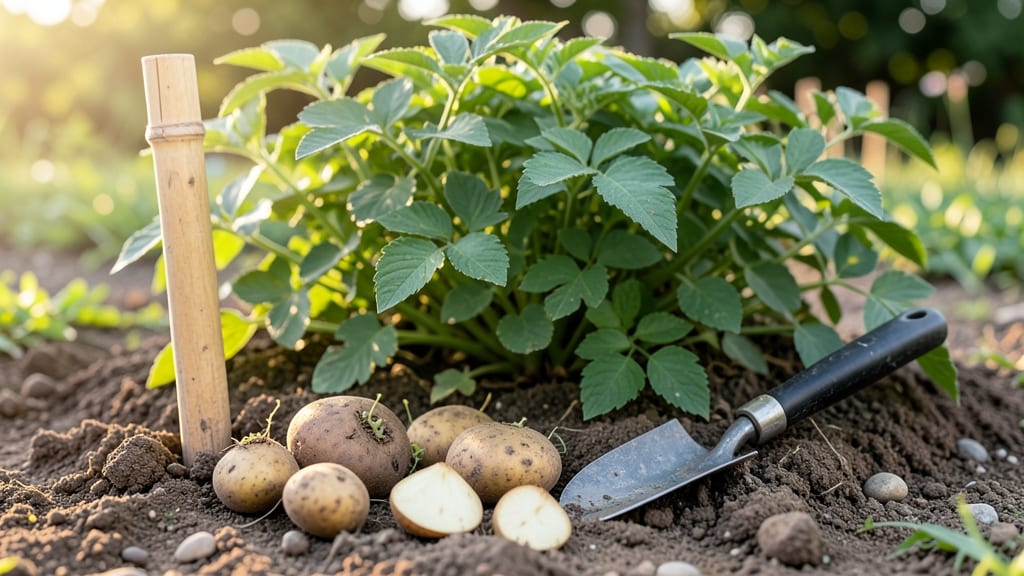
If you’ve ever stared at your seed potatoes wondering, "When can you plant potatoes in Ohio?"—you’re not alone. The wrong timing can mean frost-damaged sprouts or a harvest that never comes.
Ohio’s USDA Zone 6a climate makes this tricky, with frost lingering until mid-April in some areas while others warm up faster.
But here’s the good news: with the right strategy, you can plant potatoes as early as late March in southern Ohio or wait until early May in colder northern counties. The key is soil temperature—wait until it hits 45°F—and knowing your last frost date.
I’ll break down exactly when to start seeds indoors, when to set them in the ground, and how to adjust for Ohio’s microclimates.
You’ll also discover how to spot ready-to-plant soil (hint: it’s not just about the calendar) and which potato varieties thrive best in Ohio’s 90-day growing season**. Whether you’re a first-time gardener or a veteran grower, these tips will help you avoid common mistakes and maximize your 🥔 harvest.
Let’s dive into the step-by-step timeline—so you can go from seed to spud without the guesswork.
Ohio’s potato planting timeline by USDA hardiness zones (5-7)
Ohio’s USDA Zones 5-7 create a 3-week difference in ideal potato planting windows. In Zone 5 (north), like Ashtabula County, you’ll plant 2-4 weeks earlier than in Zone 7 (south), like Hamilton County near Cincinnati.
This variance means late March might be perfect in Lima but risky in Toledo.
Cold-hardy varieties like Yukon Gold and Russet Burbank thrive in Ohio’s climate, but timing depends on soil temperature and frost risk. Wait until soil reaches 45°F (7°C)—use a soil thermometer—and avoid planting when frost is forecasted within 2 weeks.
My 2023 garden failed when I planted Red LaSoda too early in Zone 6—frost killed sprouts!
Here’s your county-specific planting guide for Ohio’s Zones 5-7, including early and late windows for each region:
| Zone | County Examples | Early Planting Window | Late Planting Window | Soil Temp Threshold | Notes |
|---|---|---|---|---|---|
| 5 | Ashtabula, Trumbull, Mahoning | Late March (after March 20) | Early April (before April 10) | 45°F (7°C) | Use early varieties (e.g., 'Kennebec') |
| 6a | Cuyahoga (Cleveland), Lorain, Medina | Early April (after April 1) | Mid-April (before April 20) | 45°F (7°C) | Best for Yukon Gold and Russet |
| 6b | Franklin (Columbus), Delaware, Fairfield | Mid-April (after April 10) | Late April (before April 30) | 45°F (7°C) | Avoid late frost risk in valleys |
| 7a | Clermont, Hamilton (Cincinnati), Warren | Late April (after April 15) | Early May (before May 10) | 45°F (7°C) | Longer season—try late varieties (e.g., 'Katahdin') |
| 7b | Lawrence, Scioto, Adams | Early May (after May 1) | Mid-May (before May 20) | 45°F (7°C) | Extreme southern Ohio—watch for heat stress |
For Zone 5 gardeners, like those in Toledo, aim for late March planting if your soil warms quickly. In Cleveland (Zone 6a), I’ve found early April
5 Signs your Ohio soil is ready for potatoes (and how to fix common mistakes)
Ohio’s variable soil types—from clay-heavy southern regions to sandy northern areas—can make potato planting tricky. I’ve learned the hard way that soil temperature and moisture balance are the real dealbreakers. If you miss these signs, your potatoes might rot in the ground or never sprout at all.
First, check your soil temperature—potatoes need it to be at least 45°F (7°C). In northern Ohio, this usually happens by mid-April, while southern counties like Cincinnati can start planting as early as late March.
Use a soil thermometer to avoid guessing. Cold soil slows germination, leaving your seeds vulnerable to rot.
Next, look for consistent moisture. Press the soil—it should feel like a slightly damp sponge, not bone-dry or soggy. Ohio’s spring rains can make drainage a nightmare, especially in low-lying areas. If water pools after 24 hours, your soil needs amendments like compost or sand.
⚠️ WARNING: Common Mistake! ⚠️
Another key sign is soil texture. Run a handful through your fingers—ideal potato soil should crumble easily but hold its shape slightly. If it forms a tight ball (clay) or falls apart like sand, you’ll need to mix in compost or peat moss. I once planted potatoes in pure clay soil; the tubers grew deformed and had to be tossed.
Don’t overlook pH levels. Potatoes thrive in slightly acidic soil (5.0–6.5). Grab a soil test kit—Ohio State University Extension offers free testing.
If your soil is too alkaline (above 7.0), add sulfur or pine needles to lower the pH. My first attempt with pH 7.2 soil resulted in stunted plants and tiny potatoes.
Finally, watch for earthworms and microbial activity. Healthy soil teems with life—dig up a small sample. If you see wriggly worms and a dark, crumbly texture, your soil is ready.
No worms? Add well-rotted manure or worm castings to boost fertility. I doubled my yield last year by amending my sandy soil with composted cow manure.
Once you’ve checked these signs, plant your seed potatoes 4–6 inches deep, 12 inches apart. Mulch with straw to retain moisture and regulate soil temperature. With the right prep, Ohio’s short growing season won’t stand a chance against your potato harvest! 🥔