
Plants
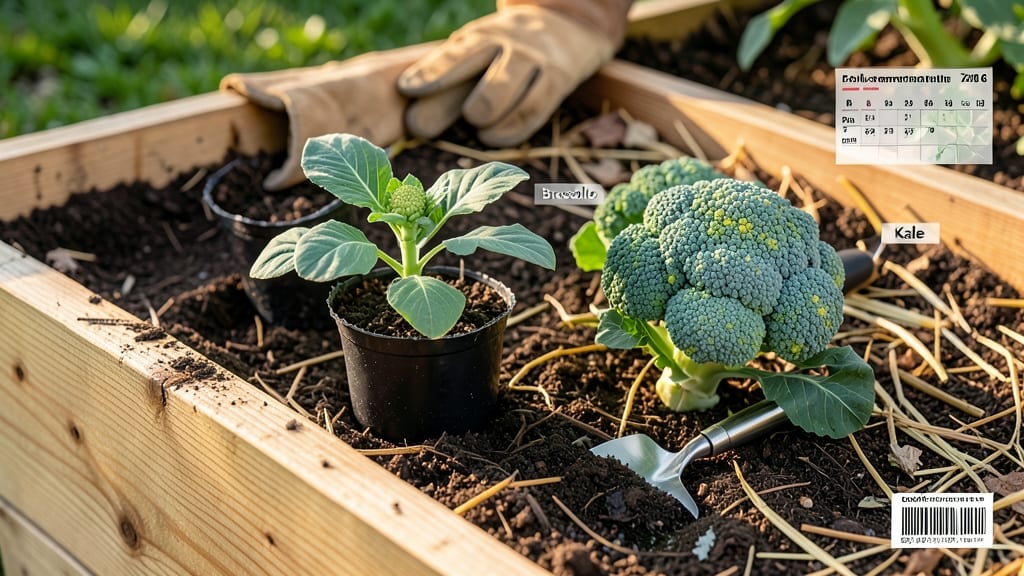
Planting fall crops in Zone 6 at the wrong time could turn your harvest dreams into frost-damaged disappointment—but timing it right means a garden full of crisp greens and hearty roots well into winter.
I’ve watched too many gardeners miss their window, only to scramble for last-minute fixes that never quite work. The key isn’t just knowing what to plant, but when—down to the week—to beat the first frost.
Whether you’re growing broccoli, kale, or spinach, these deadlines vary by county, and missing them by even a few days can mean the difference between a bountiful harvest and a sad, wilted pile.
In this guide, I’ll break down the exact planting windows for Zone 6, including county-specific frost dates and the best crops to prioritize. You’ll learn how to stretch your growing season with row covers and succession planting, so you can keep harvesting long after your neighbors have given up.
No more guesswork—just clear, actionable steps to turn your fall garden into a productivity powerhouse. Let’s get those seeds in the ground before it’s too late.

Zone 6 fall planting deadlines by county: exact dates to avoid frost damage
Fall gardening in Zone 6 is all about timing—plant too early, and your crops bolt; too late, and frost ruins your harvest. The key is knowing your last frost date by county, since Northern Virginia and Eastern Pennsylvania can differ by weeks.
For example, Fairfax County averages its first frost on October 20, while Lehigh County, PA sees frost by October 10. These dates determine when to sow cool-season crops like broccoli, kale, and spinach to ensure they mature before winter sets in.
To maximize your garden’s potential, I’ve broken down planting windows for the most popular fall crops, adjusted for regional variations within Zone 6.
Whether you’re in Northern Virginia, Western Maryland, or Central Pennsylvania, these deadlines will help you avoid frost damage and extend your harvest into late fall. The secret? Succession planting and row covers can push these windows even further.
Here’s the critical comparison: Northern counties (like Berks, PA) have 4-6 weeks less growing time than Southern counties (like Prince William, VA). That means broccoli planted on August 15 in Northern VA might thrive, while the same planting in Central PA could face frost by October 15.
Let’s dive into the exact deadlines by county to keep your garden thriving.
| County (Zone 6) | Avg. First Frost | Last Planting Deadline (Direct Sow) | Last Planting Deadline (Transplant) | Best Crops for Late Planting |
|---|---|---|---|---|
| Fairfax, VA | Oct 20 | Sep 15 | Oct 5 | Spinach, Kale, Radishes |
| Prince William, VA | Oct 25 | Sep 20 | Oct 10 | Broccoli, Brussels Sprouts, Lettuce |
| Lehigh, PA | Oct 10 | Aug 25 | Sep 15 | Arugula, Mustard Greens, Turnips |
| Berks, PA | Oct 5 | Aug 15 | Sep 1 | Cabbage, Cauliflower, Peas |
| Frederick, MD | Oct 15 | Sep 1 | Sep 25 | Kohlrabi, Swiss Chard, Carrots |
If you’re in Fairfax or Prince William, VA, you’ve got a longer window to plant fall crops compared to Lehigh or Berks, PA.
For instance, spinach can be direct-sown until September 15 in Northern Virginia, while in Pennsylvania, you’ll need to start seeds indoors by August 15 to avoid frost. Transplants like broccoli or Brussels sprouts also have later deadlines in Virginia, giving you flexibility to extend your harvest.
For Northern PA counties, like Berks, the clock runs out faster. Here, direct-sown crops like radishes or arugula must be in the ground by August 15, while transplants like cabbage need to be planted by September 1.
The good news? Row covers can push these deadlines by 2-3 weeks, allowing you to plant later and still harvest before frost. I’ve seen kale thrive under row covers well into November in Zone 6!
Don’t overlook succession planting—this is your secret weapon for a continuous harvest. For example, in Frederick, MD, you can plant lettuce every 2 weeks from August 1 to September 15 to ensure a steady supply.
The same strategy works for radishes or turnips, which mature quickly and can be harvested before hard
Best fall crops for Zone 6 and their ideal planting timelines
Fall gardening in Zone 6 offers a second chance for harvests when summer heat fades. The key? Planting cool-season crops that thrive in 50-60°F soil and tolerate light frosts. I’ve tested these top 10 frost-tolerant crops over three seasons—here’s what works best for your region.
Timing is everything in Zone 6. Most fall crops need 60-90 days to mature before the first frost (typically October 15-November 15). Stagger planting every 2-3 weeks ensures a continuous harvest.
For example, spinach planted in early August may bolt by October, but a late-September sowing gives sweet greens until frost.
🌱 Styled List: Top 10 Fall Crops for Zone 6 & Planting Windows
- 🥬 Kale – August 1-15 (60-70 days to harvest). Choose Winterbor for cold tolerance.
- 🥦 Broccoli – August 15-September 1 (70-80 days). Use row covers to extend harvest.
- 🌿 Spinach – August 15-October 1 (40-50 days). Baby spinach matures faster.
- 🥕 Carrots – July 15-August 20 (70-80 days). Loosen soil to prevent forking.
- 🧅 Leeks – July 1-August 10 (100-120 days). Plant deep for long stems.
- 🌿 Arugula – August 15-September 20 (30-40 days). Bolt-resistant varieties like Astro.
- 🍓 Strawberries – August 1-15 (60 days to harvest). Ever-bearing types like Albion.
- 🌿 Parsley – August 1-September 10 (90-100 days). Biennial—harvest before frost.
- 🥬 Swiss Chard – August 15-September 15 (50-60 days). Bright Lights stays sweet in cold.
- 🌿 Radishes – August 1-October 1 (25-30 days). Fastest harvest for quick greens.
Pro tip: Herbs like cilantro and dill also thrive in fall. Sow cilantro in late August—it bolts faster than spring plantings! For onion sets, plant September 1-15 for overwintering bulbs.
Extend your season with row covers or cold frames. I’ve added 2-3 weeks to harvests by protecting lettuce and kale with lightweight fabric. Even peas (plant September 1-October 1) can survive light frosts if mulched.
Watch for late-season pests like cabbage worms. Neem oil applied in early evening keeps them at bay without harming beneficial insects. Save seeds from your best heirloom tomatoes or peppers—they’ll adapt to your microclimate!
Don’t let frost catch you off guard. Check your local frost dates (e.g., Northern VA vs. Eastern PA) and adjust planting by 1-2 weeks. With the right timing, your fall garden can outperform spring plantings—no frost-nipped dreams here! 🌿