
Flowers
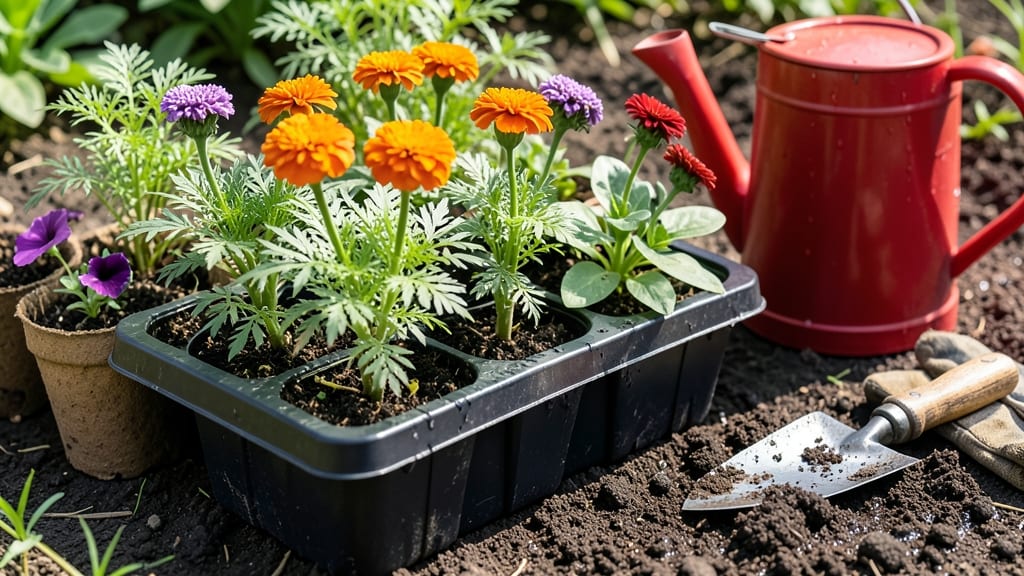
Timing when to plant flower seeds in Missouri just right is the difference between a garden bursting with color and one that barely makes it through spring.
With frost dates that can shift from year to year, knowing when to plant isn't just helpful—it's essential for those vibrant blooms you're dreaming of.
Missouri's 5b-6b zones mean your neighbors in St. Louis might be planting 2 weeks earlier than someone in Springfield. That's why I'm breaking down the exact windows—from early March for hardy annuals to late August for fall bloomers—so you never miss the perfect moment.
You'll discover how to work with Missouri's quirks, like late spring frost traps in river valleys, and which flowers thrive when started indoors versus direct-sown. Whether you're a first-time gardener or a seasoned pro, these tips will help you maximize your flower seeds' 🌸 potential every season.
Let’s dive into the frost-date guide that’ll have your garden looking like a postcard by summer. You’ve got this—and with the right timing, your flowers will too!
Missouri’s frost dates by heat Zone: critical planting windows for flower seeds
Missouri’s diverse USDA heat zones (5a-7a) create unique planting challenges, with last frost dates ranging from early April in southern zones to late April in northern areas. Understanding these critical windows ensures your flower seeds thrive without frost damage.
Whether you're in St. Louis (6a), Kansas City (5b-6a), or Springfield (6a), timing matters most!
Annual flowers like marigolds and zinnias need warm soil temperatures (60°F+), while cool-season pansies and snapdragons can handle earlier plantings. Perennials, such as coneflowers, often require fall sowing for established roots before winter. Let’s break down Missouri’s heat zones and their ideal planting windows for maximum bloom success.
Here’s a quick reference for Missouri’s USDA heat zones and their last/first frost dates, tailored for flower seed planting:
| Heat Zone | Last Frost Date | First Frost Date | Spring Planting Window | Fall Planting Window | Example Counties |
|---|---|---|---|---|---|
| 5a | April 20 | October 10 | May 1 - June 15 | August 1 - September 1 | St. Joseph, Kirksville |
| 5b | April 10 | October 15 | April 20 - June 1 | August 15 - September 15 | Columbia, Jefferson City |
| 6a | April 5 | October 20 | March 20 - May 15 | August 1 - September 20 | St. Louis, Springfield, Kansas City |
| 6b | March 30 | October 25 | March 1 - May 1 | August 15 - October 1 | Poplar Bluff, Cape Girardeau |
| 7a | March 15 | November 1 | February 15 - April 30 | September 1 - October 15 | Paducah, Sikeston |
In St. Louis (Zone 6a), for example, you can start hardy annuals like cosmos and sunflowers as early as March 20, but wait until April 15 for heat-loving marigolds and petunias.
Meanwhile, gardeners in Kansas City (Zone 5b-6a) should aim for late April plantings to avoid late spring frosts, which are more common in northern Missouri.
For perennial flowers, like black-eyed Susans or bee balm, fall planting is key. Sow seeds 6-8 weeks before your first frost—so in Zone 5a, that’s August 1, while Zone 6b gardeners can wait until September 1.
These cool-season plantings give roots time to establish before winter dormancy.
Missouri’s microclimates add another layer of complexity. River valleys, like those near St. Louis, often experience earlier last frosts due to heat retention, while higher elevations (e.g., near Branson) may see later frosts.
Always check your local weather forecasts in late April for final confirmation before planting tender annuals.
Pro tip: Use row covers or cold frames to extend your spring planting window by 2-3 weeks in cooler zones. This lets you sow cool-season flowers like calendulas or nasturtiums earlier, giving them a head start before summer heat arrives. Just remove covers once nighttime temperatures stay above 50°F consistently.
Remember, soil temperature matters just as much as air temperature. Use a soil thermometer to confirm your soil has warmed to 60°F+ before planting
Best flower seeds to plant by season: Missouri-specific timing guide
Missouri’s diverse climate means your flower garden can thrive with the right seasonal timing. Cool-season annuals like pansies and snapdragons love early spring planting, while marigolds and zinnias wait for warm soil.
Perennials like coneflowers and black-eyed Susans need strategic timing too—plant them early for summer-long blooms. Let’s break down the best planting windows for each season.
For cool-season flowers, start seeds indoors 6-8 weeks before your last frost date (typically mid-April for most of Missouri). Warm-season favorites like zinnias and sunflowers can go straight into the garden once soil reaches 60°F—usually late April or early May.
Perennials often need early spring planting to establish strong roots before summer heat arrives. Let’s dive into the exact timing for each category.
Pansies, Snapdragons, Sweet Alyssum
Transplant outdoors 2-3 weeks before last frost
Marigolds, Zinnias, Sunflowers, Cosmos
Succession plant every 2-3 weeks for continuous blooms
Coneflowers, Black-Eyed Susans, Bee Balm
Fall planting (August-September) works too
Pansies, Calendula, Stock, Sweet Peas
Enjoy fall/winter blooms with hardy varieties
Missouri’s late spring frosts can catch gardeners off guard, so hardening off seedlings is critical before transplanting. For warm-season flowers, don’t rush—wait until soil temperatures stay consistently above 60°F for at least a week.
This prevents seed rot and ensures strong root development. I’ve found that zinnias and cosmos thrive when planted in late May, while marigolds can handle slightly earlier soil warming.
For perennial flowers, timing matters just as much. Planting coneflowers or black-eyed Susans in early spring gives them time to establish before summer’s heat. If you prefer fall planting, aim for August to allow roots to grow before winter dormancy.
These long-lived plants will reward you with years of blooms if given proper timing and care.
Don’t forget about succession planting—this technique keeps your garden blooming all season. For example, sow a fresh batch of zinnias every 2-3 weeks from May through July. This ensures continuous color and pollinator activity without gaps.
In Missouri’s climate, where summer heat can be intense, shade-tolerant varieties like impatiens or begonias can extend your blooming season in partial shade areas.
With these seasonal strategies, you’ll maximize your flower garden’s potential in Missouri. Whether you’re planting cool-season hardies in spring or heat-loving annuals in summer, proper timing is the key to vibrant, long-lasting blooms that bring joy all season long. 🌸