
Planting
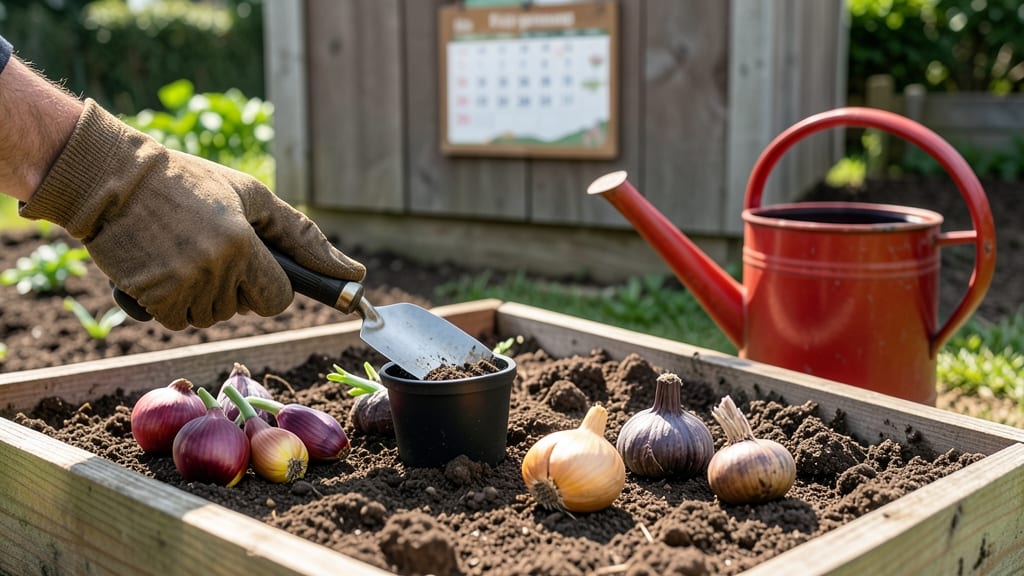
Planting bulbs in the garden at the wrong time can leave you staring at bare soil where vibrant 🌷 blooms should be. The key to success lies in understanding your local climate and each bulb's chill-hour needs—whether you're in zone 6a or beyond.
Fall planting is ideal for most bulbs, giving them time to establish roots before winter's chill sets in. But did you know some varieties, like daffodils, actually thrive when planted in early spring? I'll break down the exact windows for each type so you never miss the perfect moment.
We'll also cover how to adjust for early/late frosts, soil temperature, and even microclimates in your yard. With these pro tips, you'll transform your garden into a springtime explosion of color—no guesswork required.
Ready to stop waiting and start blooming? Let's dive into the science and strategies that turn good planting into great results every season.
Best planting times for bulbs by chill-hour requirements
Planting bulbs at the right time ensures they get the chill hours (0-30°F) they need to bloom spectacularly next season. Most spring-flowering bulbs—like tulips and daffodils—require a cold period to trigger flowering.
Without enough chill hours, they may sprout leaves but skip blooming entirely. The key is planting when your climate’s frost patterns align with each bulb’s specific needs.
For example, tulips typically need 12-16 weeks of chill hours, while crocuses thrive with just 4-6 weeks. Warm-season bulbs, like dahlias or gladiolas, follow a different schedule—planting in spring after the last frost. Understanding these differences prevents wasted effort and guarantees vibrant spring displays.
Your USDA zone plays a huge role in timing. Gardeners in zones 3-6 can plant fall bulbs as early as September, while those in zones 7-10 may need to wait until November or even plant in late winter.
Below, we break down the best planting windows by bulb type and chill-hour needs, plus regional adjustments to keep your bulbs happy.
If you’re in a warmer zone (7-10), some bulbs like tulips or hyacinths may need a trick to get enough chill hours.
Try planting them in late fall or even winter when temperatures dip, or use a refrigerator trick: store potted bulbs in the crisper drawer (35-40°F) for 8-12 weeks before planting. This mimics natural winter conditions and ensures blooms the following spring.
For cool-season zones (3-6), focus on planting 4-6 weeks before the first hard frost. Use your local frost date calendar as a guide—most garden centers list this info by region. In
How to adjust bulb planting for your climate Zone
Your USDA hardiness zone isn’t the only factor when planting bulbs—microclimates, soil temperature, and frost patterns can shift ideal planting windows by weeks. For example, I once planted tulip bulbs in Zone 7 with early October frosts, only to have them rot before winter.
The fix? Adjusting for local frost dates and soil conditions saved my spring blooms.
Start by checking your average first frost date—most bulbs need 4-6 weeks before ground freezes to establish roots. But if you’re in a warmer microclimate (like a south-facing slope), extend your planting window by 2-3 weeks.
In colder zones (Zone 3-5), plant earlier to avoid early winter freezes.
Zone-Specific Bulb Planting Adjustments
- 🌱 Zones 3-5 (Cold Climates): Plant fall-blooming bulbs (tulips, daffodils) by mid-September to avoid early snow.
- 🌿 Zones 6-8 (Temperate): Extend window to late October for spring bloomers; use mulch to insulate soil.
- ☀️ Zones 9-10 (Warm Climates): Plant summer bulbs (dahlias, cannas) in early spring or fall to avoid heat stress.
- ❄️ Microclimate Tip: Sheltered spots (e.g., south walls) can delay frost by 10-14 days—plant bulbs 2 weeks later there.
- 💧 Soil Test: Amend clay soil with compost to prevent waterlogging in winter.
*Adjust for early/late frosts by checking local weather records or using a soil thermometer (ideal: 60-65°F).
For spring-planted bulbs (like gladiolus or caladiums), wait until soil temperatures rise above 60°F—cold soil can stunt growth. I’ve seen caladiums fail to bloom when planted too early in Zone 8 because the soil stayed too cool for root development.
Extend bloom seasons in warmer zones by planting fall-blooming bulbs (like crocuses) in late winter for earlier spring color. In Zone 9-10, I’ve had tulips bloom in December by planting them in November—just water deeply to prevent dormancy stress.
Pro tip: Use a planting calendar tailored to your last frost date (find yours via USDA maps or local extensions). For example, in Zone 6, I plant daffodils by October 15th but delay tulips until November 1st—they’re more frost-sensitive.
Always prioritize well-draining soil—bulbs rot in waterlogged conditions. If your soil stays soggy, amend with sand or grit or plant in raised beds. I’ve lost entire batches of hyacinths in Zone 7 clay soil until I switched to containers with perlite.