
Plants
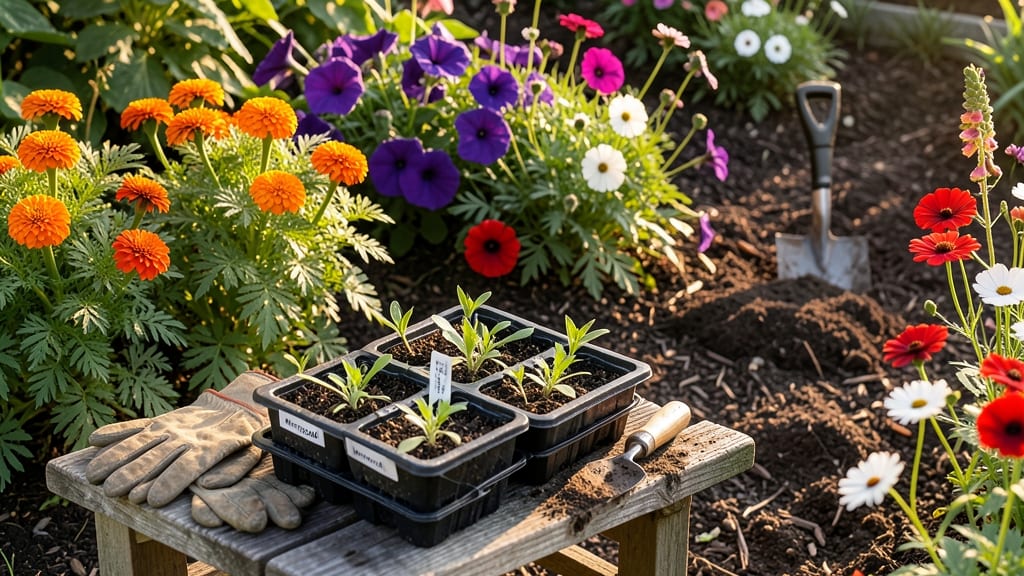
Planting your 🌱 annuals at the wrong time in Virginia can mean the difference between a vibrant garden and wasted effort. The key to success? Timing it right based on your county's last frost date—because what works in Norfolk won't cut it in Roanoke.
I’ve spent years watching Virginia gardens transform when annuals get planted just after the frost risk fades. Whether you’re dreaming of petunias in spring or zinnias blooming through summer, knowing your local planting window is the game-changer you need.
Let’s break down exactly when to start seeds indoors and when to sow directly outdoors for your specific zone.
From the Coastal Plain’s earlier springs to the mountains’ delayed warm-up, Virginia’s climate varies wildly. You’ll discover how to adjust for microclimates, use frost covers, and even plan for succession planting to keep your garden thriving all season. No more guessing—just science-backed deadlines tailored to your backyard.
Ready to turn your garden into a showstopper? I’ll walk you through the exact months to plant, plus pro tips for handling Virginia’s unpredictable weather. Your perfect annuals garden starts with the right timing—and I’ve got the county-by-county guide to make it effortless.
Virginia last frost dates by region: when to plant annuals safely
Virginia’s diverse climate means your last frost date could vary by 3-4 weeks depending on where you live. Whether you're in Norfolk’s coastal warmth or Roanoke’s mountain chill, timing your annual plantings correctly ensures vibrant blooms and bountiful harvests.
The state spans USDA zones 5b-8a, creating distinct planting windows for heat-loving (like marigolds) and cool-season (like pansies) annuals.
Understanding these regional differences helps you avoid frost damage while maximizing your garden’s potential. For example, Tidewater Virginia (zone 7b-8a) can safely plant tomatoes in early April, while Southwest Virginia (zone 6a-7a) should wait until mid-May.
Let’s break down the frost-free dates by Virginia’s five climate regions, complete with county-specific examples to help you plan like a pro.
If you’re in Tidewater Virginia, you can start direct-sowing warm-season annuals like marigolds or okra as early as April 1. Meanwhile, gardeners in Southwest Virginia should wait until mid-May to avoid late spring frosts that can devastate tender seedlings. Cool-season annuals, such as pansies or lettuce
Best annuals to plant by month in Virginia: a seasonal timeline
Timing is everything when planting annuals in Virginia, where microclimates can shift planting windows by weeks. My garden thrives when I follow this month-by-month schedule, adjusted for Virginia’s USDA zones 6-8.
Start with hardy cool-season crops in early spring, then transition to heat-lovers as temperatures rise—don’t skip the row covers for late-season extensions!
For zone 6 (northern VA), wait until after April 15 for most annuals, while zone 8 (southern VA) gardeners can plant heat-lovers like okra as early as March 1.
Always check your local last frost date via the Virginia Cooperative Extension—their county-specific data is gold for avoiding frost damage.
🌱 Virginia Annual Planting Timeline
- March: Pansies, snap peas, lettuce (use row covers for frost protection)
- April: Calendula, radishes, basil (start indoors for zone 6)
- May: Tomatoes, marigolds, zucchini (after last frost, ~May 10-20)
- June: Zinnias, sunflowers, coleus (direct-sow after soil warms to 60°F)
- July-August: Sweet potatoes, cosmos (succession plant for fall harvests)
- September: Kale, pansies (for fall/winter color—use cold frames)
Pro Tip: Extend seasons with row covers or cold frames—I’ve kept zinnias blooming until November in zone 7!
My zone 7 garden in Charlottesville lets me plant heat-loving annuals like okra and sweet potatoes by June 1, but I always have backup seeds ready for succession planting if early crops fail.
For container gardening, start petunias and geraniums indoors in March—they’ll be ready for May pots!
Don’t overlook fall planting! After Labor Day, sow radishes and spinach for a winter harvest. I use black plastic mulch to warm soil early in spring, which lets me plant cucumbers 2 weeks earlier than neighbors without it.
Your soil’s temperature, not just air temps, determines success!
For Virginia’s coastal plain (zone 8), you can direct-sow tomatoes by March 15, but mountain regions (zone 6) should wait until May 1. Always harden off seedlings for 7–10 days before transplanting—skipping this step costs me wilting plants every year.
Use shade cloth for young seedlings to prevent bolt in hot spells.
My late-summer tip: Plant cosmos and sunflowers in July for fall color—they thrive in poor soil and drought, making them perfect for low-maintenance gardens. Pair them with nasturtiums to deter pests naturally. Happy planting!