
Plants
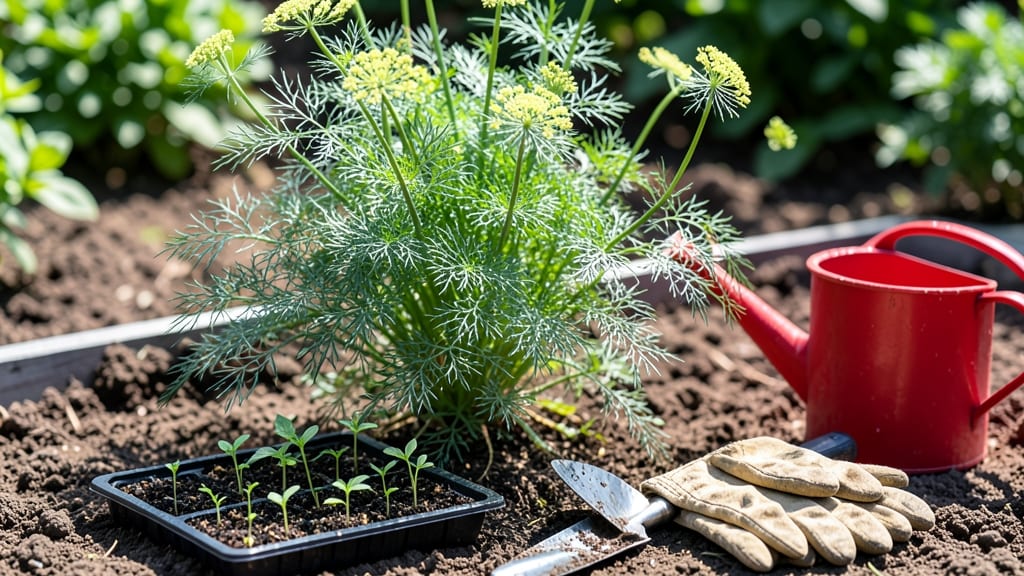
Planting dill in Southern California at the wrong time can turn your fresh herb dreams into a bitter disappointment—those feathery leaves bolt faster than you can say "garden salad." The key to lush, flavorful 🌿 dill all season lies in knowing exactly when to sow it in your 9b-10a zone.
Most gardeners make the mistake of planting too early, sending their dill into premature flowering when summer heat arrives. But with September-October as your sweet spot, you'll avoid that bitter rush to harvest before the plant even gets established.
This timing lets dill thrive through Southern California's cooler months, giving you fresh leaves from November through June.
Why does timing matter so much? Dill is a cool-season herb that struggles when temperatures climb above 75°F. Planting in late summer means your seedlings will enjoy mild days and cooler nights—perfect conditions for slow, steady growth.
We'll show you how to extend your harvest window even further with simple tricks that work in both coastal and inland microclimates.
Ready to grow dill that actually lasts? Let's break down the exact planting schedule, soil prep secrets, and watering hacks that'll keep your 🌿 dill happy from seed to harvest—without the frustrating bolt risk. Your kitchen (and your salads) will thank you.
Best planting months for dill in Southern California’s climate zones
Southern California’s mild winters and hot summers create unique challenges for growing dill (Anethum graveolens). Unlike cooler climates, dill here can bolt prematurely if planted at the wrong time, turning bitter and losing its signature flavor.
The key is planting when soil temps stay below 75°F and days are cooler—typically in fall or early spring.
Coastal areas like San Diego and Santa Barbara enjoy moderate temperatures year-round, while inland zones such as Los Angeles and Riverside face more extreme heat. This means your planting window can shift by 4-6 weeks depending on where you live.
Let’s break it down by microclimate to maximize your harvest and avoid bolt risk.
Dill thrives in USDA Zones 9b-10a, where frost is rare but heat stress is the real enemy. The ideal planting strategy leverages Southern California’s two growing seasons: fall and spring. Coastal gardeners have a slightly longer window, while inland growers must act faster to beat the summer heat.
| Microclimate | Ideal Planting Months | Soil Temp Threshold | Harvest Window | Key Risk |
|---|---|---|---|---|
| Coastal (San Diego, Santa Barbara) | September–October, February–March | Below 72°F | November–December, April–June | Slow growth in summer |
| Inland (Los Angeles, Riverside) | August–September, January–February | Below 75°F | October–November, March–May | Premature bolting in heat |
| High Desert (Palm Springs, Joshua Tree) | July–August, December–January | Below 70°F | September–October, February–March | Extreme heat stress |
| All Microclimates | Avoid May–September | N/A | N/A | Bolt risk >90% |
For coastal gardeners, the fall planting window (September–October) is your best bet. Temperatures remain mild, and dill grows steadily without bolting. If you miss this window, early spring (February–March) offers a second chance. Coastal areas rarely see soil temps above 75°F during these months, keeping dill happy and productive.
Inland zones like Los Angeles and Riverside must plant earlier to avoid summer heat. August–September is ideal for fall crops, while January–February works for spring. The goal is to get seeds in the ground before soil temps climb above 75°F, which triggers bolting.
Use a soil thermometer to monitor conditions—dill roots prefer 60–70°F for optimal growth.
High-desert areas like Palm Springs and Joshua Tree have the shortest window. Plant in July–August for fall harvests or December–January for spring. These regions experience intense heat year-round, so shade cloth (30–50%) can extend the growing season by 2–3 weeks. Without protection, dill bolts within 3–4 weeks of planting.
Succession planting is your secret weapon in Southern California. Instead of one big planting, sow small batches every 2–3 weeks during your ideal window. This ensures a continuous harvest and reduces the risk of bolting.
For example, if you plant 10 seeds every 2 weeks in September, you’ll have fresh dill from October through December.
Always choose a sunny spot with well-draining soil. Dill tolerates poor soil but hates soggy roots. Amend clay soil with compost or sand to improve drainage. Mulch with straw or wood chips to keep roots cool and retain moisture.
In containers, use a fast-draining potting mix and water deeply 2–3 times per week during dry spells.
Watch for bolt signs: tall stems with yellow flowers mean it’s too late for leaf harvests. If your dill bolts early, blame heat stress or overcrowding.
Thin seedlings to 12–18 inches apart to prevent competition. For maximum flavor, harvest leaves in the morning after dew dries but before the sun peaks.
How to avoid dill bolting in Southern California heat
Southern California’s intense summer heat can trigger dill to bolt prematurely, turning your fragrant herb into a bitter, seed-producing plant before you’ve even harvested enough leaves.
The key to avoiding this is understanding how heat stress and soil temperature affect your dill—especially when comparing coastal areas (like San Diego) to inland desert regions (like Palm Springs).
Dill thrives in cooler temperatures between 55°F and 75°F, but once soil temps exceed 80°F, it sends up that familiar flowering stalk. Coastal areas have a slight advantage with milder summers, while inland zones face harsher heat that demands extra care.
Let’s break down the practical strategies to keep your dill lush and leafy all season.
⚠️ Critical Timing Warning for Southern California Dill
Plant dill in late summer (August-September) or early spring (February-March) to avoid peak heat. Coastal areas can push planting to October, but inland zones should stop by August 15 to prevent bolting. Soil temp >80°F is the #1 trigger for bolting—use a soil thermometer to monitor!
Start by choosing the right shade solution. Inland areas should use 30-50% shade cloth during June-August to lower soil temps by 10-15°F. Coastal gardeners can opt for partial afternoon shade (2 PM-6 PM) when temps exceed 78°F.
I’ve found that white shade cloth reflects heat better than black, keeping roots cooler without blocking too much light.
Your watering schedule is just as critical as shade. Dill needs consistent moisture but hates soggy soil. Water deeply twice weekly in summer, focusing on the root zone (not the leaves) to prevent fungal issues.
Inland zones may need daily watering during heatwaves, while coastal areas can stretch to every 3-4 days. Always water in the early morning to reduce evaporation and fungal risk.
Don’t overlook soil temperature management. Amend your soil with organic matter (like compost or aged manure) to improve heat retention and drainage. Mulch with 2-3 inches of straw to keep roots 5-10°F cooler than surface temps.
I’ve seen dill bolt 3 weeks earlier in bare soil versus mulched beds—it’s a game-changer for extending harvests in Zone 10a.
For high-desert areas (e.g., Joshua Tree), consider container growing with self-watering pots. Lift pots onto brick stands to elevate them off hot pavement, and use lightweight potting mix that dries faster.
Coastal gardeners can experiment with succession planting: sow new seeds every 2 weeks from September to November to ensure a continuous harvest before winter rains arrive.
Finally, watch for stress signs like yellowing leaves or elongated stems—these are early bolting warnings. If you spot them, prune aggressively to redirect energy to leaf growth.
With these strategies, you’ll enjoy flavorful dill for 3-4 months instead of just a few weeks. The secret? Beat the heat before it beats your dill. 🌿