
Plants
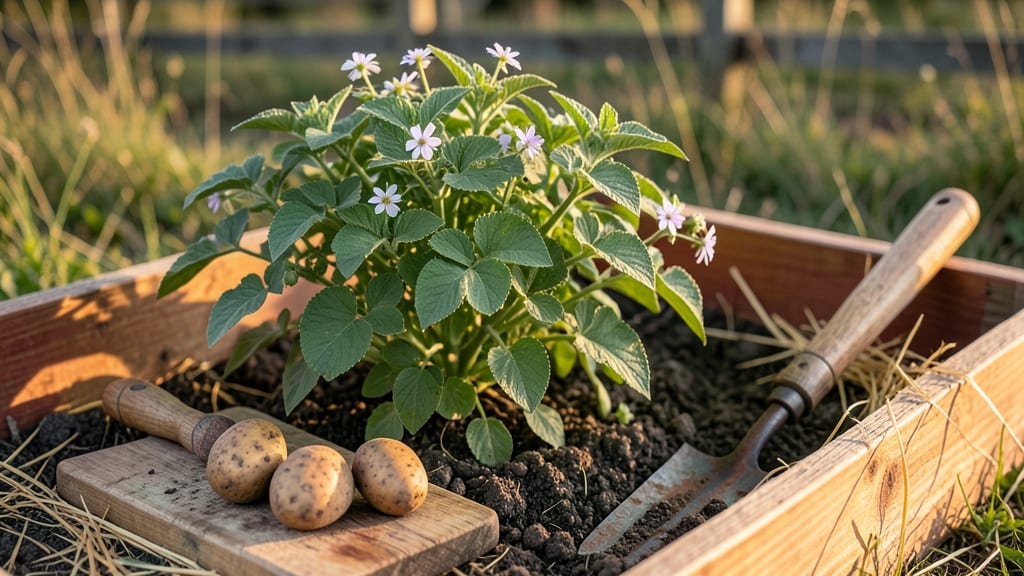
Planting potatoes in Kentucky isn't just about tossing them in the dirt and hoping for the best—it's about mastering the perfect timing to outsmart frost and humidity while maximizing your harvest.
With USDA zones 6a-7a and unpredictable spring weather, getting those seed potatoes in the ground too early or too late can mean the difference between a bumper crop and a sad, shriveled mess.
Most Kentucky gardeners swear by early spring planting between March and April, but late winter options (like February) can work if you're growing cold-hardy varieties like Yukon Gold. The key? Waiting until soil temperatures hit 45–50°F—any cooler, and your potatoes will sulk in the cold, refusing to sprout.
And let's not forget the last frost date, which typically lands around March 15 (though it varies wildly across the state).
Here’s the game-changer: planting too soon risks frost damage, while waiting too long cuts your growing season short. I’ll show you how to balance these factors, whether you’re aiming for early, mid-season, or late varieties—and how to use mulch, row covers, and other tricks to stretch your harvest window.
Ready to turn Kentucky’s climate quirks into your potato-growing advantage?
From soil prep to frost-proofing, this guide covers everything you need to know to grow hardy, abundant potatoes that thrive despite the Bluegrass State’s challenges. Let’s dig in.
Kentucky’s ideal potato planting window: frost-free survival guide
Timing your potato planting in Kentucky is all about beating the last frost while giving tubers enough time to mature before the first fall frost. With USDA zones 6a-7a, gardeners face a tight window—especially in Northern Kentucky where frosts linger longer.
The key? Planting when soil temperatures hit 45-50°F and air temperatures stay consistently above 50°F.
Most of Kentucky experiences its average last frost between March 15 and April 15, but microclimates matter. Southern Kentucky (e.g., Bowling Green) can plant 2-3 weeks earlier than Northern areas (e.g., Lexington or Louisville). Understanding these regional differences is critical for avoiding frost damage to tender sprouts.
Here’s how Kentucky’s frost-free window breaks down by region, along with soil temperature thresholds for successful germination:
| Region | USDA Zone | Avg. Last Frost | Soil Temp. Threshold | Ideal Planting Window |
|---|---|---|---|---|
| Northern KY (e.g., Paducah, Owensboro) | 6a | April 1–15 | 45–50°F | April 1–15 |
| Central KY (e.g., Louisville, Lexington) | 6b-7a | March 25–April 5 | 45–50°F | March 25–April 15 |
| Southern KY (e.g., Bowling Green, Hopkinsville) | 7a | March 10–20 | 45–50°F | March 10–April 1 |
For gardeners in USDA zone 6a, like those in Paducah or Owensboro, waiting until mid-April minimizes frost risk. Meanwhile, Southern Kentucky gardeners can start as early as late March when soil warms to 45°F. Use a soil thermometer to confirm readiness—cold, wet soil delays germination.
I recommend planting early-season varieties like 'Yukon Gold' or 'Red LaSoda' in Northern Kentucky to ensure harvests before the first fall frost (October 15). In Southern Kentucky, mid-season varieties such as 'Kennebec' or 'Russet' thrive with a slightly extended growing season.
Pro tip: If you’re eager to start earlier, try container growing or raised beds. These warm up faster than heavy clay soil and give you a 2-week head start on the frost-free window. Just ensure containers have drainage holes to prevent waterlogged tubers.
Another strategy is to plant seed potatoes in February under protective row covers or in a cold frame. This jumpstarts growth, but only attempt this if you’re confident in your frost prediction skills—Kentucky’s weather is famously unpredictable!
Finally, always monitor your local frost forecast via the National Weather Service or apps like Old Farmer’s Almanac. A sudden late frost can devastate young potato plants, so stay vigilant. With the right timing, you’ll harvest bountiful, disease-resistant potatoes that Kentucky’s humid climate is known for.
5 Proven strategies to extend Kentucky’s potato growing season
Kentucky’s cool nights and late frosts can sabotage your potato harvest if you’re not strategic. The key to success lies in extending the growing season with smart techniques that protect your tender seedlings while maximizing tuber production.
I’ve tested these methods in my own garden—some require minimal effort, while others demand a bit more planning but pay off with longer harvest windows and higher yields.
One of the first decisions you’ll face is whether to plant early-season varieties like 'Red Pontiac' or go for late-season stalwarts such as 'Kennebec'.
Early varieties mature faster but may not fully utilize Kentucky’s 180 frost-free days, while late varieties take longer but reward you with larger tubers if protected from early cold snaps. The trade-off is real, but the right strategy can give you the best of both worlds.
-
1. Choose Cold-Hardy Varieties
Opt for 'Yukon Gold' or 'Kennebec'—both tolerate 32°F for short periods. Early maturers like 'Red Norland' (90 days) are safer for March plantings. -
2. Use Row Covers for Frost Protection
Lightweight frost blankets add 5–8°F of protection. Cost: $10–$20 per 100 sq ft. Remove when temps rise above 50°F to avoid overheating. -
3. Warm Soil with Black Plastic Mulch
Lays 2–3 weeks earlier than bare soil. Cost: $15–$30 per 4’x100’ roll. Remove before harvest to avoid green tubers (toxic). -
4. Plant in Successive Waves
Stagger plantings every 2 weeks from March–May for a continuous harvest. Example: March 15 (early), April 1 (mid), April 15 (late). -
5. Elevate Beds for Warmer Soil
Raised beds warm 2–4°F faster than ground soil. Cost: $50–$150 for DIY cedar beds. Ideal for Northern KY (Zone 6a) where frosts linger.
My favorite strategy is black plastic mulch because it’s a one-time investment that pays dividends. I’ve seen soil temperatures rise from 45°F to 60°F within days under clear plastic, giving seedlings a head start.
However, the $15–$30 cost per roll might be a stretch for large gardens, so I pair it with free alternatives like straw mulch for later plantings.
For gardeners in Southern Kentucky (Zone 7a), where frosts are less severe, successive planting is your best bet. By staggering your March, April, and May plantings, you can enjoy harvests from July through September.
The downside? You’ll need to keep track of maturity dates to avoid overcrowding your storage space.
If you’re on a budget, row covers are the most flexible solution. They’re reusable, lightweight, and can be stored until needed. I keep mine rolled up in a garage bin and deploy them at the first sign of 28°F temps.
The $10–$20 cost is minimal compared to losing an entire crop to frost.
Remember, the goal isn’t just to survive Kentucky’s frosts—it’s to thrive. Combine these strategies, and you’ll turn your garden into a potato powerhouse, even when the weather tries to throw curveballs.
Start with one method this season, then layer in others as you gain confidence. Your future harvest will thank you! 🌱