
Plants
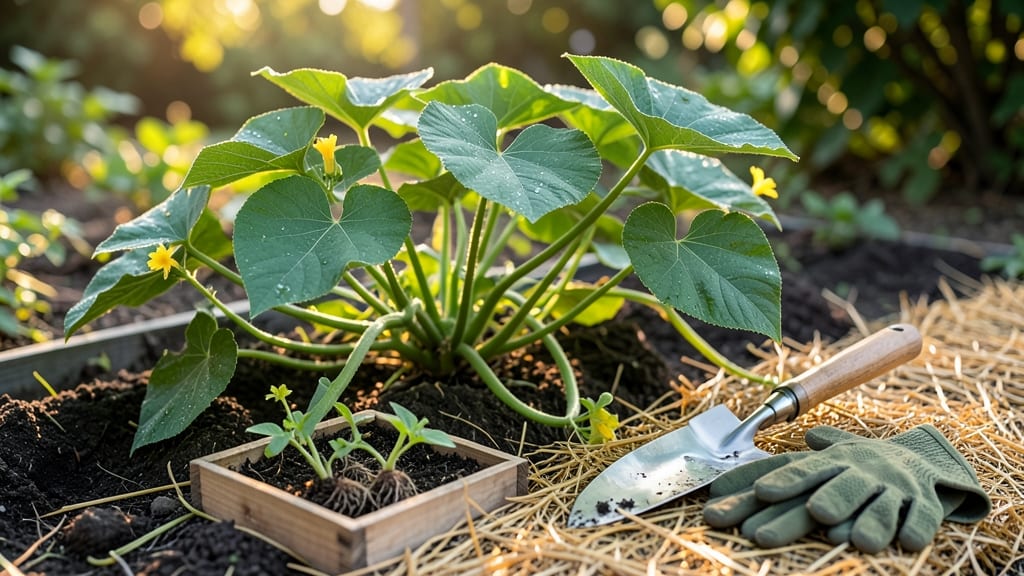
Planting sweet potatoes in North Carolina at the wrong time can turn your garden dreams into a flop—no matter how much care you put in. The key to a bountiful harvest of those vibrant 🍠 tubers lies in understanding your region's unique climate quirks, from coastal breezes to mountain chill.
If you've ever wondered why some gardeners pull in golden sweet potatoes while others struggle with stunted growth, timing is the game-changer. North Carolina's 7a-8b zones demand precision, and waiting until after the last frost (usually mid-April) is just the beginning.
I'll show you exactly when to plant sweet potato slips—whether you're in the Piedmont's warm valleys or the Mountains' cooler air—to maximize your yield. Plus, I'll share pro tips for preparing soil and avoiding common pitfalls that even experienced gardeners miss.
Ready to transform your garden into a sweet potato powerhouse? Let's dive into the secrets that will have you harvesting plump, flavorful tubers come fall—no guesswork required.
Best planting dates for sweet potato slips in NC (by region)
North Carolina’s diverse climate means your sweet potato slips need precise timing to thrive. The Coastal Plain, Piedmont, and Mountain regions all have different frost patterns and soil-warming speeds.
Planting too early risks frost damage, while waiting too long shortens the growing season. Let’s break down the ideal planting windows for each region to maximize your harvest.
Sweet potatoes love warm soil—at least 65°F (18°C)—and can’t tolerate frost. In NC, this means waiting until after the last average frost date, which varies by region.
Coastal areas warm up faster, while mountain zones stay cooler longer. Slips should be planted when soil temperatures consistently stay above 65°F for 2-3 weeks, ensuring robust root development.
Here’s a comparison of planting windows, frost dates, and soil temperature targets for NC’s three key regions:
| Region | Last Frost Date | Ideal Planting Window | Soil Temp Target | Harvest Window |
|---|---|---|---|---|
| Coastal Plain | Mid-April | Late April–Early May | 65°F+ (consistent) | Late September–October |
| Piedmont | Early April | Early May–Mid-May | 65°F+ (consistent) | Mid-October–November |
| Mountain | Late April–Early May | Mid-May–June | 65°F+ (consistent) | October–Early November |
For the Coastal Plain, aim to plant sweet potato slips by early May. Warmer soils here mean you can start earlier, but avoid planting before mid-April—frost can still linger in low-lying areas.
Use a soil thermometer to confirm temperatures are stable above 65°F before planting. Coastal gardeners often enjoy a longer growing season, allowing for a second planting in late June for a fall harvest.
In the Piedmont region, wait until early May to plant slips. The Piedmont’s transitional climate means soil warms more slowly than the coast but faster than the mountains. If you plant too early, slips may struggle to establish roots in cooler soil.
Aim for 65°F+ soil temperatures for at least a week before planting. Piedmont gardeners should prioritize well-draining soil to prevent waterlogging, which can stunt tuber growth.
The Mountain region demands the most patience—plant slips no earlier than mid-May. Higher elevations and cooler nights delay soil warming, so always check temperatures before planting. Mountain gardeners can extend the season by choosing early-maturing varieties like ‘Beauregard’ or ‘Georgia Jet,’ which mature in 90-100 days.
Planting in black plastic mulch can warm the soil faster and improve yields in cooler climates.
Regardless of region, slips should be 4-6 inches tall with well-developed roots when planted. Larger slips (6+ inches) may produce bigger tubers but take longer to establish. Space slips 12-18 inches apart in rows 3 feet apart to allow vines to spread.
Mulch heavily with straw or leaves to retain moisture and suppress weeds, which is critical in NC’s hot summers.
Missed the ideal window? Don’t panic. While slips planted after June 15 may not mature fully before frost, you can still try fast-maturing varieties or use row covers to extend the season.
Just be prepared for smaller yields. For best results, always align planting with soil temperature, not just the calendar.
Pro tip: Use a frost-free date calculator for your exact location (like the NC State Extension’s tools) to fine-tune your planting schedule. Sweet potatoes are forgiving, but timing them right ensures bigger, sweeter tubers and fewer pests like sweet potato weevils.
How to time your sweet potato planting for NC’s heat and humidity
North Carolina’s sweltering summers and high humidity create the perfect conditions for sweet potatoes—but only if you plant at the right time. Bolting (premature flowering) and fungal diseases like black rot are common when slips go in too early or late.
The key is aligning your planting with NC’s heat waves, humidity spikes, and rainfall patterns to give your plants the best shot at success.
Sweet potatoes need warm soil (at least 65°F) and consistent moisture to thrive. Planting too early in cool spring soil stunts growth, while waiting too long risks heat stress or early frost.
NC’s Coastal Plain and Piedmont regions have slightly different windows, but the general rule is: plant after the last frost and before August to avoid bolting.
- 📅 Wait for soil temps of 65°F+—use a soil thermometer to check. NC’s Coastal Plain hits this by mid-April, while Mountain regions may wait until late May.
- 🌡️ Avoid planting during heat waves (>90°F). Slips wilt quickly in extreme heat—opt for early June or late July instead.
- 💧 Time planting with dry spells. NC’s summer humidity increases fungal risk—plant when rainfall is light for 1-2 weeks post-planting.
- 🌿 Watch for bolting (flowering). If days get too short (<12 hours of light), slips may bolt prematurely. August plantings in NC’s northern zones risk this.
- 🌱 Use mulch immediately after planting to retain moisture and regulate soil temp. Straw or black plastic mulch works best in NC’s humid climate.
One of the biggest mistakes NC gardeners make is planting slips too early in cool, wet soil. This leads to poor root development and increased fungal pressure.
Instead, aim for late May to early June in most of NC. If you’re in the Mountains, push planting to early June to avoid late spring frosts.
NC’s humidity spikes in summer can also trigger leaf spot diseases. To mitigate this, space slips 12-18 inches apart for better airflow and water deeply in the morning to reduce fungal spores. If humidity is extreme (common in July-August), consider drip irrigation to keep foliage dry.
For late-season plantings, choose fast-maturing varieties like Beauregard or Georgia Jet. These can tolerate slightly cooler temps and still produce harvest-worthy tubers by early fall. Just be sure to harvest before the first frost—NC’s first frost typically hits mid-November.
Timing your sweet potato planting to match NC’s heat patterns and humidity cycles isn’t just about avoiding bolting—it’s about maximizing tuber size and minimizing disease.
By following these tips, you’ll give your slips the best chance to thrive in NC’s challenging summer conditions and reward you with a bountiful harvest of sweet, golden tubers. 🍠