
Plants
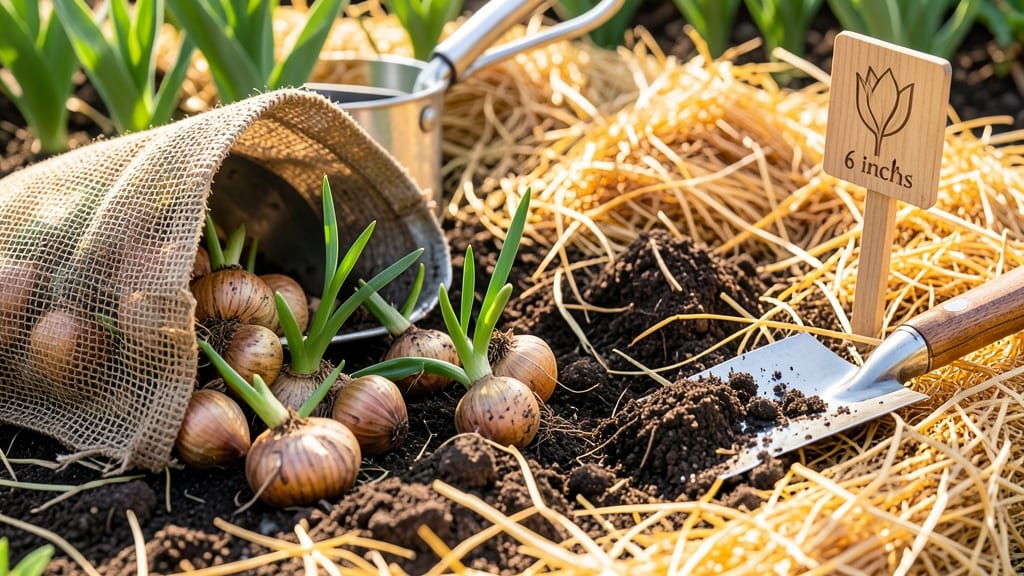
Planting tulips in Tennessee at the wrong time means skipping the show-stopping blooms you crave—those vibrant 🌷 bursts of color that turn gardens into spring masterpieces.
The key isn’t just picking a month; it’s understanding how Tennessee’s USDA 6a-7b zones and unpredictable frost dates create a narrow window where bulbs thrive.
Most gardeners assume fall planting is universal, but in Tennessee’s humid climate, timing matters even more. Plant too early, and your bulbs might rot; too late, and they won’t establish roots before winter.
The sweet spot? Between October and November, when soil cools but stays workable—right before the ground freezes solid.
Here’s the game-changer: Elevation differences in Tennessee shift frost dates dramatically. Mountain regions (like the Smokies) may need bulbs in the ground by early October, while Memphis gardeners can wait until mid-November. We’ll break down the exact calendar for your zone so you never miss the boat.
Ready to transform your Tennessee yard into a tulip paradise? I’ll walk you through soil prep, bulb depth secrets, and how to outsmart late frosts—so your 🌷 dreams don’t freeze before they bloom.
Tennessee tulip planting calendar: exact months by USDA zones (5a-7b)
Tulips thrive in Tennessee’s moderate climate, but the right planting window depends on your USDA zone. In Zone 5a (northeast mountains), early frosts demand earlier planting, while Zone 7b (Memphis/Tri-Cities) offers a slightly extended window.
Planting too late risks bulb rot, while early planting can lead to premature sprouting—both kill your blooms before they even start.
Tennessee’s first frost dates vary dramatically: October 15 in the mountains (Zone 5a) vs. November 15 in warmer southern zones (Zone 7b). Aim to plant 4-6 weeks before ground freeze—this means mid-October for Zone 5a and late October to early November for Zone 7b.
The key is giving bulbs time to establish roots before winter dormancy.
Here’s your Tennessee tulip planting calendar, broken down by zone. Use this as your guide to avoid common mistakes like planting too shallow or missing the frost window.
| USDA Zone | Best Planting Month | Alternative Window | First Frost Date | Key Risk |
|---|---|---|---|---|
| Zone 5a (Northeast Mountains) | Mid-October | Late September (early) | October 15 | Premature sprouting |
| Zone 6a (Middle TN) | Late October | Early November (late) | October 30 | Bulb rot from wet soil |
| Zone 6b (Nashville) | Early November | Mid-October (early) | November 5 | Insufficient root growth |
| Zone 7a (Chattanooga) | Late October | Early December (late) | November 10 | Late frosts damage sprouts |
| Zone 7b (Memphis/Tri-Cities) | Early November | Mid-November (late) | November 15 | Overly warm soil delays rooting |
In Zone 5a, where winters are harshest, planting in mid-October ensures bulbs root before the ground freezes. Miss this window, and you risk frost-heaving—when soil freezes and pushes bulbs out of the ground.
For Zone 7b, you have until early November, but planting after November 15 may leave bulbs vulnerable to soil-borne diseases like tulip fire.
Pro tip: Use a soil thermometer to check when soil temps drop below 50°F. This is your cue to stop planting. In Tennessee’s humid climate, bulbs planted too late may rot before winter—especially in clay-heavy soils common in West Tennessee.
Amend soil with compost or sand to improve drainage if needed.
For Zone 6a and 6b, where frost dates are highly variable, aim for late October. If you’re unsure, plant test bulbs in early October—if they sprout before winter, cover them with straw mulch to protect tender shoots.
This microclimate testing helps you fine-tune your ideal planting window for future years.
Spring planting is a common mistake in Tennessee. Tulips planted in March or April may produce small, weak blooms because they lack the cold stratification period needed to trigger strong growth. Bulbs need 6-8 weeks of cold temps (below 40°F) to bloom reliably.
In Zone 7b, where winters are milder, bulbs may even sprout too early—use black plastic mulch to delay warming in late winter if needed.
Don’t overlook elevation differences. Gardens in East Tennessee’s mountains (Zone 5a) can be 5-10°F colder than valleys just 20 miles away. If you’re near Great Smoky Mountains, plant 2 weeks earlier than the calendar suggests.
Conversely, Memphis gardens in Zone 7b can sometimes extend planting into December—but only if soil temps stay above 40°F.
Mark your 2025 calendar now: October 15-31 is your prime tulip planting window across most of Tennessee. For bold, reliable blooms, combine the right timing with well-draining soil and full sun. With these
Pro tips for planting tulips in Tennessee’s climate: soil, depth, and aftercare
Tennessee’s humid subtropical climate and variable frost dates demand special attention when planting tulip bulbs. Unlike northern states, our USDA zones 6a-7b require precise soil prep and strategic planting depth to prevent rot or premature blooming.
I’ve learned the hard way—skipping these steps can turn your dream garden into a soggy bulb graveyard!
Start by testing your soil pH—tulips thrive in neutral to slightly acidic soil (6.0-7.0). Tennessee’s native clay soils often need amendments like compost or sand to improve drainage.
I mix in 1-2 inches of organic matter into the top 6 inches of soil before planting, which cuts down on fungal diseases that love our damp springs.
⚠️ callout-warning ⚠️
Planting after November 15 in most of TN risks bulbs sprouting before winter dormancy. In zone 7b (Memphis area), even December planting can fail if mild spells trick shoots into growing. Use a mulch blanket (4-6 inches) to insulate bulbs—this is non-negotiable in our humid winters.
The ideal planting depth for Tennessee tulips is 6-8 inches, with the pointy end up. Deeper planting prevents heaving in freeze-thaw cycles common in our Appalachian foothills, while shallower depths risk frost damage.
Space bulbs 4-6 inches apart—crowding invites tulip fire disease, a fungal menace in our wet springs.
After planting, water deeply once to settle the soil, then avoid overhead watering until spring. Tennessee’s summer humidity can cause bulbs to rot if left soggy. I use drip irrigation in spring to keep foliage lush without wetting blooms—this prevents botrytis blight, which thrives in our damp air.
For repeat blooms, never cut stems at the base—leave 6 inches of foliage until it yellows naturally. This feeds the bulb for next year’s flowers. In zone 6a (northeast TN), I mark planting spots with biodegradable flags to avoid disturbing bulbs during spring cleanups.
Fertilize lightly in early spring with a 5-10-10 blend (1 tbsp per plant) when shoots emerge. Skip summer feeding—tulips go dormant, and over-fertilizing attracts squirrels and deer, who love fresh tulip greens.
A 2-inch mulch layer of pine straw keeps roots cool and deters pests like voles, which burrow in our loose soils.