
Plants
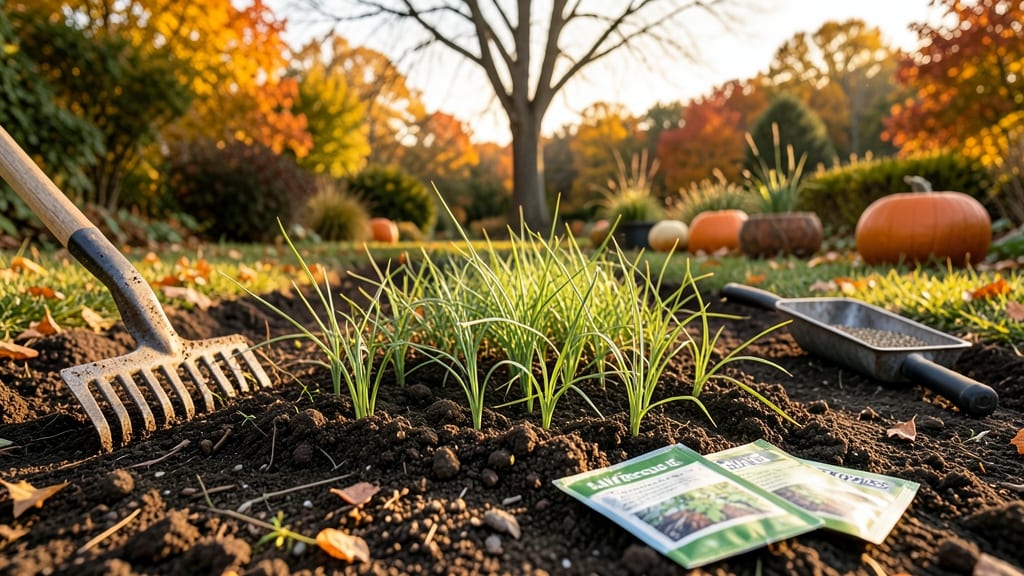
Planting grass in the fall can transform your lawn into a lush carpet—if you nail the timing. The secret lies in understanding when soil temperatures drop just enough to slow weeds but still fuel strong root growth before frost hits.
Too early, and your grass struggles; too late, and winter steals its chance to take hold.
For most regions, including USDA Zone 6a, the sweet spot is 4-6 weeks before the first frost, typically late August through early October. This window gives your 🌱 grass enough time to establish deep roots while avoiding the heat stress of summer or the dormancy of winter.
But how do you know exactly when to plant?
I’ll break down the ideal soil temperature range (50-65°F) and regional adjustments so you don’t guess. Plus, I’ll share pro tips for soil prep and post-planting care to ensure your new grass thrives—no matter where you live. Let’s get your lawn off to the best possible start.
Whether you’re overseeding an existing lawn or starting fresh, timing is everything. With the right approach, your fall-planted grass could outperform spring efforts by leaps and bounds. Ready to learn the exact steps?
Optimal fall grass planting timeline by region and soil temperature
Timing your fall grass planting correctly can make the difference between a lush spring lawn and wasted seed.
The golden window is 45-60 days before your first frost, when soil temperatures hover between 50-65°F—ideal for cool-season grasses like tall fescue and ryegrass to establish deep roots before winter dormancy. But regional variations mean your perfect timing might differ from your neighbor's.
For most of the U.S., this translates to late August through mid-October, but colder northern climates (like USDA Zone 3-4) should aim for early September, while warmer southern regions (like Zone 8-10) can extend planting until early November.
The key is matching your local first frost date with soil warmth—grass needs time to root before cold sets in.
Soil temperature is your best guide, not just calendar dates. Cool-season grasses struggle in soils warmer than 65°F or colder than 50°F. Use a soil thermometer (inserted 4 inches deep) to check daily temps—morning readings are most accurate. If temps dip below 50°F at night, your window is closing.
| Region (USDA Zone) | Ideal Planting Window | Soil Temp Threshold | Key Grass Varieties | First Frost Buffer |
|---|---|---|---|---|
| Zones 3-4 (Cold North) | Early September | 50-60°F | Tall fescue, Kentucky bluegrass | 60 days |
| Zones 5-6 (Midwest/Northeast) | Mid-September | 55-65°F | Fine fescue, perennial ryegrass | 50 days |
| Zones 7-8 (South/Central) | Late September-October | 60-65°F | Bermuda grass (warm-season), tall fescue | 45 days |
| Zones 9-10 (Far South) | October-November | 60-68°F | St. Augustine, Zoysia | 30-45 days |
Pro tip: Check your local cooperative extension service for precise frost dates—some years can vary by 1-2 weeks. For example, Chicago (Zone 5) typically plants in early September, while Atlanta (Zone 8) can extend until late October.
Always plant cool-season grasses at least 4-6 weeks before frost to avoid winter kill.
If you're overseeding an existing lawn, aim for late August to early September in most regions. This gives new grass 6-8 weeks to establish before cold slows growth.
For new lawns, late summer planting (August-September) often outperforms spring planting because fall rains and cooler temps reduce water stress and weed competition.
To test your soil temperature accurately, use a meat thermometer or dedicated soil thermometer. Bury it 4 inches deep (where grass roots grow) and check readings in the morning for consistency.
If temps are below 50°F, wait—grass won't germinate well in cold soil. Conversely, if temps exceed 65°F, you risk seed drying out before sprouting.
Regional microclimates matter too. Mountainous areas may need earlier planting due to colder nights, while urban heat islands can extend the window by 1-2 weeks. Always account for elevation changes—soil temps drop 3-5°F per 1,000 feet gained.
For example, a Denver suburb at 5,000 feet might plant 2 weeks earlier than a nearby valley.
Once you've nailed the timing, watering patterns become critical. After planting, keep soil consistently moist (like a damp sponge) for the first 2-3 weeks. Use a sprinkler with gentle mist to avoid displacing seed. In drought-prone areas, morning watering (before 10 AM) minimizes
How to prepare your lawn for fall grass planting: soil and seed secrets
Fall is the perfect time to rejuvenate your lawn, but soil prep makes all the difference between weak germination and a lush, resilient lawn. Cool-season grasses like tall fescue and ryegrass thrive when planted 4-6 weeks before frost, but only if your soil is ready.
Start by testing your soil pH—ideal levels for grass are between 6.0 and 7.0. If your soil is too acidic or alkaline, amend it with lime or sulfur before planting.
Aeration is another critical step, especially if your lawn has compacted soil. Use a core aerator to pull out small soil plugs, allowing seeds to make direct contact with the earth and roots to grow deeper.
This is best done in early fall when the soil is still warm but cooling down. After aerating, spread a thin layer of compost or topsoil to improve nutrient content and moisture retention.
Weed control is often overlooked but essential. Apply a pre-emergent herbicide 2-3 weeks before planting to prevent weeds from competing with your new grass. For organic options, use a corn gluten meal pre-emergent, which also adds nitrogen to the soil.
Once your seeds are in the ground, keep the area weed-free by hand-pulling any sprouts that appear.
⚠️ Timing Is Everything
Planting grass too early in fall (like September) can lead to overgrowth before winter, while planting too late (like November) risks weak roots before frost. Aim for 45-60 days before your first frost date—check your local USDA zone for exact timing. For most regions, this means mid-September to early October.
Choosing the right grass seed is just as important as soil prep. Cool-season grasses like Kentucky bluegrass and perennial ryegrass are perfect for fall planting, while warm-season grasses like Bermuda or Zoysia should be planted in late spring.
Mixing seed varieties can improve disease resistance and color uniformity. Spread seeds evenly using a broadcast spreader for even coverage, and lightly rake them into the soil to ensure good seed-to-soil contact.
After planting, consistent watering is key. Keep the soil moist but not soggy—water lightly twice daily for the first week to encourage germination, then taper to once daily until the grass reaches 3 inches tall.
Avoid walking on the new grass to prevent seed displacement. Once established, reduce watering to 1 inch per week to strengthen root growth before winter dormancy.
Finally, apply a light fertilizer with a high nitrogen content (like 10-0-10) 4-6 weeks after planting to support early growth. Avoid heavy fertilizers, which can burn young grass.
In late fall, switch to a slow-release fertilizer to provide nutrients over the winter months. With proper prep, your lawn will emerge in spring thicker and greener than ever.
With these soil and seed secrets, your fall grass planting will set the stage for a vibrant, healthy lawn next season. Happy planting! 🌱