
Companion Plants
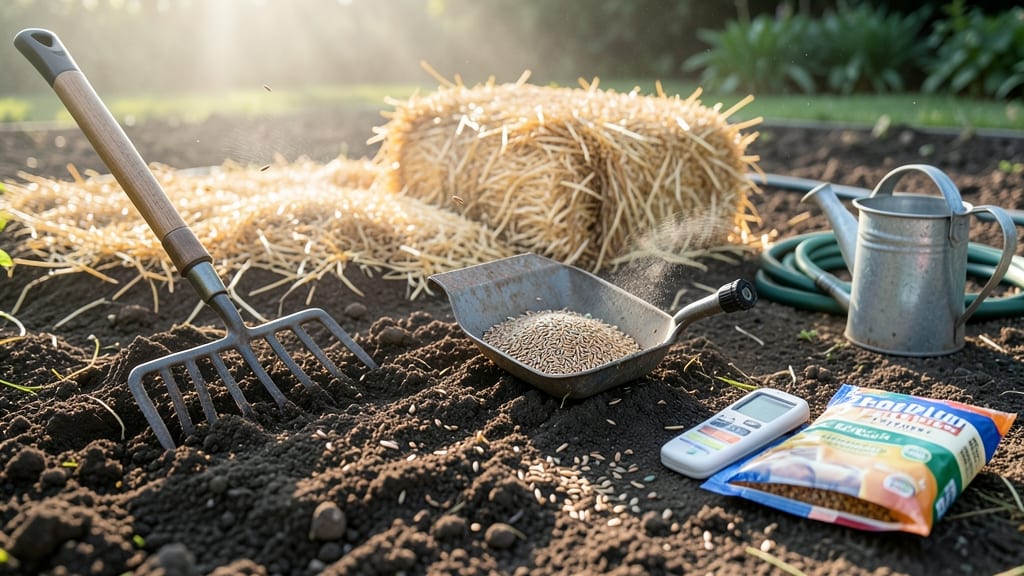
Planting grass seed in the fall is your golden ticket to a thicker, greener lawn—but get the timing wrong, and you’ll end up with weak roots or winter-killed patches.
The key isn’t just when you plant; it’s understanding how your local climate dictates the perfect window for strong root growth before frost hits.
In USDA Zone 6a, like much of the Midwest and Northeast, the ideal time to sow 🌱 grass seed is 4-6 weeks before your first frost—typically late September through early October.
Cooler temperatures and fewer weeds give seedlings a fighting chance, while established roots brace for winter. But if you’re in the South, where winters are milder, you might push it closer to November.
Don’t just guess—check soil temps (aim for 50-65°F) and daylight hours. Too early, and weeds steal the show; too late, and roots won’t mature before cold sets in.
I’ll break down the exact steps to prep your soil, choose the right seed, and water like a pro so your lawn wakes up lush next spring.
Ready to skip the patchy lawn? Let’s dive into the region-specific schedule that’ll turn your fall planting into a game-changer for your yard’s health. No more second-guessing—just science-backed timing for a lawn that impresses year-round.
Best fall months to plant grass seed by US climate Zone
Fall is the ideal season for planting grass seed because cooler temperatures reduce weed competition, and your lawn has time to establish strong roots before winter dormancy.
But the exact timing depends on your USDA climate zone—plant too early, and weeds take over; too late, and your grass won’t survive frost. Let’s break down the best fall planting windows for your region to ensure a thick, healthy lawn by spring.
Most grass varieties need 4-6 weeks of warm soil and mild air temperatures to germinate and grow enough roots to withstand winter.
Soil temperatures should stay above 50°F (10°C) for cool-season grasses like Kentucky bluegrass and tall fescue, while warm-season grasses like Bermuda grass need even warmer soil (above 65°F/18°C). Below, we’ll map out the best months for each zone, so you can plant with confidence.
⚠️ NON-NEGOTIABLE: Always check your local first frost date (use the Old Farmer’s Almanac) and adjust your planting window accordingly. Aim to finish planting at least 4-6 weeks before frost—this gives your grass enough time to establish before winter.
If you’re in the Northern zones (3-5), focus on late August to mid-September—this gives your grass enough time to germinate before the ground cools. In these regions, cool-season grasses like tall fescue and Kentucky bluegrass thrive when planted in warm soil but before daylight shortens dramatically.
I’ve seen the best results when planting in early September in Zone 5, where I live—just in time for the soil to stay warm enough for germination.
For Transition zones (6-7), you’ve got a little more flexibility. Aim for mid-September to early October, as the soil stays warm longer, and the risk of frost isn’t as immediate. This is my favorite window because it balances weed suppression (fewer weeds in fall) with root development.
Just avoid planting after October 15, or your grass may not establish before winter.
In Southern zones (8-10), you can plant later—even into November—because the ground stays warm longer. However, if you’re overseeding cool-season grasses like ryegrass, stick to September to avoid winter stress. Warm-season grasses like Bermuda or Zoysia can handle later planting but won’t establish as quickly.
One pro tip I always share: If your area has unpredictable
How to tell when your local soil is ready for fall grass seed
Timing is everything when planting grass seed in the fall. Cool soil temperatures and shorter days create perfect conditions for germination, but planting too early or late can leave your lawn vulnerable to weeds, pests, or winter stress.
I’ve learned the hard way—skipping these key checks can turn your fall lawn project into a spring disappointment. Let’s break down the exact signals your soil is sending.
First, check your local frost dates. Grass seed needs 4-6 weeks of warm soil and mild air to establish roots before winter dormancy. Use the USDA Plant Hardiness Zone Map to find your area’s first frost date, then count backward.
For example, in Zone 5, aim for planting between mid-September and early October, while Zone 8 gardeners can extend planting until late November.
- 🌡️ Soil Temperature: Test with a soil thermometer—ideal range is 60-75°F (15-24°C). Below 50°F (10°C), germination slows dramatically.
- 📅 Daylight Hours: Look for 10-12 hours of daylight. This signals your plants it’s time to grow but not yet time to go dormant.
- ❄️ Frost Window: Plant 4-6 weeks before the first expected frost. Check your local weather app for 10-day forecasts.
- 🌱 Seed Selection: Cool-season grasses (like Kentucky bluegrass or tall fescue) thrive in fall, while warm-season grasses (like Bermuda) need spring planting.
- 💧 Moisture Test: Dig a 2-inch hole—if soil feels dry, water deeply before planting. Overly wet soil can suffocate seeds.
Don’t rely solely on the calendar—soil temperature is your best friend. Stick a soil thermometer 2 inches deep in the ground. If it reads below 50°F (10°C), wait a week or two. Cooler soil means slower germination, and your seeds might rot before sprouting.
I once planted bluegrass in late October when the soil was still 48°F (9°C), and it took 3 weeks longer to sprout than my neighbor’s September planting.
Use weather apps like Weather.com or AccuWeather to track nighttime lows. Grass seed struggles when nighttime temps dip below 40°F (4°C) consistently.
In Transition Zones (7-9), where winters are mild but summers are hot, aim for late September to early November to avoid both summer heat stress and early frosts.
Finally, observe your local ecosystem. Are wildflowers still blooming? Are migratory birds still active? These natural cues often align with ideal planting times. For example, if aster flowers are in full bloom, it’s likely safe to plant in most Northern climates.
Pair this with your USDA zone and soil temp checks for foolproof timing.
Once you’ve confirmed the perfect window, prepare your soil by loosening the top 2-3 inches with a rake or aerator. This ensures good seed-to-soil contact and root penetration. Then, water lightly to settle the seeds and keep the soil moist (not soggy) for the first 2-3 weeks.
With these checks in place, your fall grass seed will establish a deep, resilient root system before winter—setting you up for a thicker, greener lawn next spring. 🌱