
Companion Plants
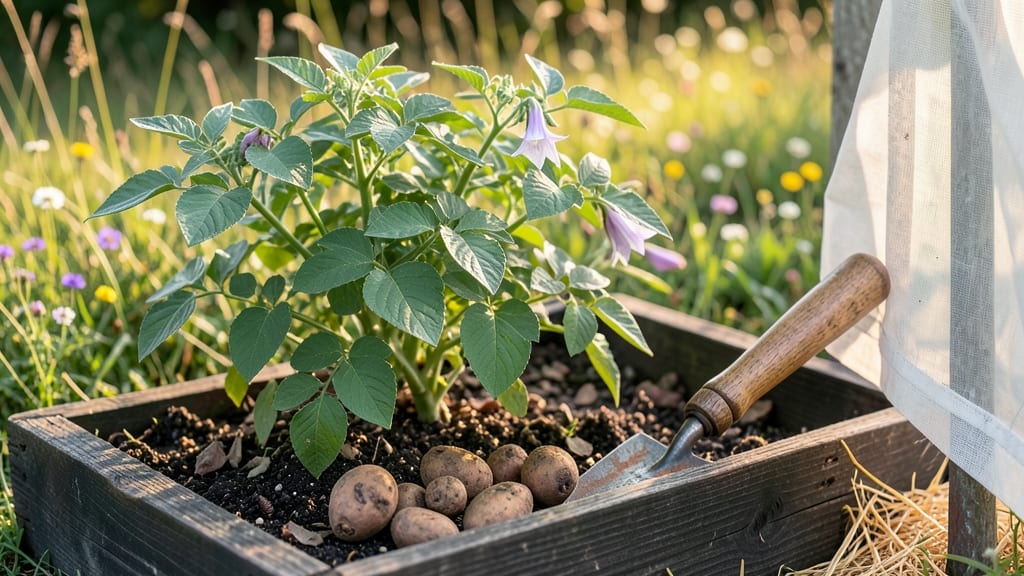
Planting potatoes in Zone 8 might seem tricky—get the timing wrong, and you could lose your entire crop to frost or miss the sweet spot for maximum yield. The key is understanding how soil temperatures, daylight hours, and frost dates all play together to create the perfect window for planting.
In Zone 8, you’ve got two main chances to grow 🥔—early spring or late summer/fall. Each approach has its own advantages, depending on whether you prefer early harvests or a second crop before winter sets in.
I’ll break down the best months for each, so you can decide which strategy works for your garden.
One common mistake I see is planting too early when the soil is still cold. Potatoes need temperatures around 50-60°F to germinate properly, and rushing it can lead to slow growth or even rot. Let’s explore how to time it right for healthy, thriving tubers.
Whether you’re a seasoned gardener or just starting out, getting this step right makes all the difference. By the end, you’ll know exactly when to plant for the best results in your Zone 8 garden.

Optimal planting windows for potatoes in Zone 8: spring vs fall schedule
Getting the timing right for potatoes in Zone 8 can mean the difference between a bountiful harvest and wasted effort. Unlike cooler climates, Zone 8’s mild winters and long growing season give you two prime planting windows—early spring and late summer/fall.
Each has unique requirements, from soil temperature thresholds to daylight length that directly impacts tuber development.
The key to success lies in understanding your last frost date (February 15) and first frost date (November 15) in Zone 8. Planting too early risks frost damage, while planting too late may result in tubers maturing during winter’s chill.
I’ve found that soil temperatures between 50-60°F are ideal for planting, as cooler soils delay germination while warmer ones can stress young plants.
Daylight length also plays a crucial role. In spring, increasing daylight hours accelerate growth, while fall’s shortening days slow tuber formation. This is why early-season varieties thrive in spring plantings, while late-season varieties work better for fall schedules. Let’s break down the optimal windows for each approach.
| Optimal Planting Windows for Potatoes in Zone 8 | |||
|---|---|---|---|
| Planting Window | Ideal Months | Soil Temperature | Key Considerations |
| Spring Planting | Early February - Mid-March | 50-60°F | Plant early varieties (60-90 days to maturity) before last frost. Use row covers if frost threatens. |
| Late March - Early April | 55-65°F | Best for mid-season varieties (90-110 days). Ensure 6+ hours of sunlight daily for optimal tuber growth. | |
| Fall Planting | Mid-September - Early October | 50-60°F | Plant late-season varieties (110-120 days) with 90+ days until first frost. Tubers need time to mature before winter. |
| Late October (Risky) | 50-55°F | Only for extremely cold-hardy varieties. Harvest before consistent freezing temps (below 32°F). | |
| Critical Notes for Zone 8: Avoid planting in January or November—soil temps are too low for germination. | |||
For spring plantings, I recommend starting with early varieties like 'Red Norland' in February when soil temperatures begin to rise. These potatoes mature quickly—typically in 60-90 days—giving them time to bulk up before summer’s heat sets in.
If you’re planting in March, opt for mid-season varieties like 'Yukon Gold', which handle warmer soil temperatures better and produce buttery, high-quality tubers.
Fall plantings require more precision. The window between mid-September and early October is ideal because it allows tubers to develop before winter’s chill. I’ve had great success with late-season varieties like 'Kennebec', which can withstand cooler temperatures and still produce large, firm potatoes.
The key is ensuring you have at least 90 frost-free days remaining in your growing season.
Daylight length significantly impacts tuber development. In spring, longer days mean faster growth, but too much heat can stress plants. In fall, shorter days slow growth, which is why late varieties need an earlier start.
I always monitor daylight hours using a garden journal—it helps me predict when to plant for optimal yields. For example, planting in late September gives you about 70 days of daylight before winter sets in.
One common mistake I see is planting potatoes when the soil is still too cold. Use a soil thermometer to confirm temperatures are above 50°F before planting. Cold soil can cause rot and poor germination.
Another tip: if you’re planting in fall, choose a sunny, well-drained location to prevent waterlogging, which can lead to disease and poor tuber formation.
Remember, potatoes are cool-season crops, but they dislike extreme heat or cold. In Zone 8, this means avoiding plantings in January or late November, when soil temperatures drop below 50°F.
Instead, focus on the February-March and September-October windows for the best results. With the right timing, you can enjoy two harvests per year—one in spring and another in fall!
🌱
How to choose the right potato varieties for Zone 8’s climate
Zone 8’s mild winters and long growing season create perfect conditions for potatoes—but only if you pick the right varieties. Early spring plantings need fast-maturing types, while fall crops thrive with cold-hardy varieties.
Heat waves? Opt for heat-tolerant tubers that won’t bolt prematurely. Let’s match your goals to the perfect potato.
For spring plantings (February–March), prioritize early-maturing varieties like 'Yukon Gold' or 'Red Norland'. These reach harvest in 70–90 days, avoiding summer heat stress. Their buttery texture and sweet flavor make them ideal for roasting or mashing—perfect for Zone 8’s humid summers.
| Variety | Best For | Days to Harvest | Flavor Profile | Climate Fit |
|---|---|---|---|---|
| Yukon Gold | Spring planting, roasting | 70–90 days | Buttery, creamy | Heat-tolerant |
| Red Pontiac | Fall planting, storage | 80–100 days | Waxy, earthy | Cold-hardy |
| Sweet Potato | Extended season, baking | 90–120 days | Sweet, dense | Drought-resistant |
| Kennebec | Late spring, frying | 85–110 days | Starchy, neutral | Versatile |
Fall plantings (September–October) demand cold-hardy varieties like 'Red Pontiac' or 'Russian Banana'. These store well in cool cellars (40–50°F) and handle light frosts without spoiling. Their waxy texture holds up to long storage, making them ideal for winter meals. Aim for 90–110-day varieties to avoid frost damage before harvest.
Zone 8’s extended heat can stress traditional potatoes, but sweet potatoes thrive in these conditions. Varieties like 'Beauregard' or 'Georgia Jet' mature in 90–120 days and tolerate drought-like conditions better than Irish potatoes.
Their sweet, dense flesh is perfect for baking or fries, and they’re less prone to blight in humid climates.
Pro tip: Test soil temperatures before planting—aim for 45–55°F for germination. Use a soil thermometer to avoid planting too early when cold soils delay sprouting. For container growing, choose compact varieties like 'Patriot' or 'LaRouge', which mature quickly and fit 5-gallon pots.
Remember, maturity timing is critical. Early varieties (70 days) work for spring, while late varieties (110+ days) risk frost in Zone 8’s November chill.
Always harvest before foliage dies—waiting too long turns tubers woody or green (toxic). Store in cool, dark conditions with high humidity to preserve freshness.