
Plants
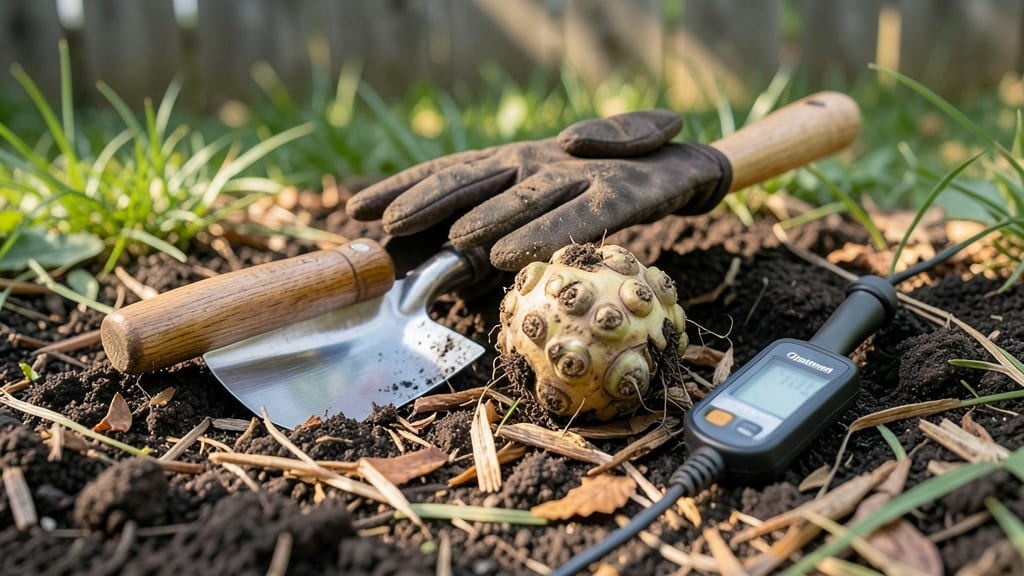
Planting your dahlias 🌸 at the right time in Zone 7b isn’t just about avoiding frost—it’s about giving those tubers the perfect head start for vibrant blooms all summer long.
Get the timing wrong, and you might end up with stunted growth or flowers that never fully open, no matter how much you care for them.
The ideal window in Zone 7b is mid-April to mid-May, once the soil warms to at least 60°F and the last frost has passed. This gives your dahlias 6-8 weeks to root deeply before the heat of summer arrives, setting them up for success.
But what if your spring is unpredictable? I’ll show you how to adjust for early or late frosts without sacrificing your garden’s beauty.
Beyond the calendar, there’s more to it than just digging in the dirt. Should you pre-sprout those tubers indoors, or plant them directly? How deep should they go, and what’s the best way to protect them from sudden temperature swings?
These little details make all the difference between a thriving dahlia patch and one that struggles to keep up.
Let’s break it all down—so you can enjoy those stunning 🌸 blooms from July right through October, no guesswork required. Ready to get started?

Optimal planting weeks before last frost in Zone 7B for dahlia tubers
In Zone 7B, where the last frost date typically falls around April 15, timing your dahlia tubers for planting 6-8 weeks beforehand ensures robust root development before summer heat arrives.
This window—roughly mid-February to early March—gives tubers enough time to sprout and establish a 4-6 inch root system before the soil warms to the ideal 60°F for planting.
Skipping this prep often leads to stunted growth or late-season blooms, leaving your garden bare when neighbors' dahlias are already in full glory.
Many gardeners mistakenly wait until after the last frost to plant, but dahlias need warm soil and consistent temperatures to thrive. Planting too late risks shallow roots that can't support the plant's 3-6 foot stature, especially in Zone 7B's humid summers.
The key is balancing frost risk with soil temperature—aim for 50-55°F soil when you plant, even if nighttime temps dip below freezing occasionally.
| Stage | Action | Soil Temp | Zone 7B Timeline |
|---|---|---|---|
| Pre-Sprouting (Chitting) | Place tubers in 50-55°F environment, eyes up | Room temp | Mid-February |
| Soil Prep | Amend soil with compost, ensure well-draining beds | Warming (45°F+) | Late February |
| Planting | Buried 4-6 inches deep, 12-15 inches apart | 60°F+ | Mid-April |
| Mulching | Apply 2-3 inches mulch to retain moisture | 65°F+ | Early May |
| First Bloom | Expect blooms 90-120 days after planting | 70°F+ | July-August |
Adjust your timeline if your Zone 7B spring arrives early or late. Use a soil thermometer to confirm temperatures—dahlias won’t thrive in cold, wet soil.
For example, if your last frost occurs March 15 instead of April 15, plant tubers 4-6 weeks earlier (by February 1) to maintain the 6-8 week pre-frost window.
Conversely, if frost lingers until May 1, delay planting until late March to avoid root rot from prolonged cool, damp conditions.
Avoid the biggest mistake: planting tubers too deep or too shallow. Burying them more than 6 inches can suffocate sprouts, while planting less than 4 inches deep exposes tubers to temperature swings and pests.
In Zone 7B’s humid climate, shallow planting also increases fungal disease risk. Always plant with the eyes (sprout nodes) facing up—this ensures consistent growth direction and prevents forked stems.
Another critical tip: Pre-sprout tubers indoors if your Zone 7B spring is unpredictable. Place tubers in a bright, warm spot (like a sunny windowsill) starting 8 weeks before your last frost. Once sprouts reach 2-3 inches, they’re ready for outdoor planting.
This head start compensates for late frosts or slow soil warming, giving your dahlias a 2-week growth advantage over tubers planted directly in the ground.
Pay attention to local microclimates in Zone 7B—areas near large bodies of water or urban heat islands may experience earlier soil warming than rural spots. Test your soil’s moisture and temperature at 10 AM (when it’s warmest) for the most accurate reading.
If your soil hits 60°F by late March, you can plant 2 weeks early without risking frost damage to young sprouts.
After planting, mulch heavily (with
How to prep dahlia tubers for Zone 7B planting: chitting, cutting, and soil prep
Prepping your dahlia tubers for Zone 7B planting is the secret to vibrant blooms and strong roots. In this zone, you’ve got a narrow window—typically 4-6 weeks before your last frost—to get them established before summer heat arrives.
I’ve found that chitting tubers (encouraging early sprouting) and cutting large tubers can give your dahlias a 2-3 week head start, making all the difference in root development.
For Zone 7B gardeners, soil temperature is critical—wait until the ground warms to at least 60°F before planting. Cold soil can stunt root growth, leaving your plants vulnerable to heat stress once summer hits.
I always test my soil with a soil thermometer to avoid this common mistake. Pair this with well-amended soil, and you’ll set your dahlias up for success from day one.
Indoor vs. Outdoor Chitting for Zone 7B Dahlias
Indoor Chitting
- Pros: Controlled environment, faster sprouting, protects from pests
- Cons: Requires space, risk of overcrowding, needs grow lights if weak sunlight
Outdoor Chitting
- Pros: Natural sunlight, no equipment needed, easier to harden off
- Cons: Slower in cool springs, vulnerable to frost/pests, soil-borne diseases
If you’re working with large dahlia tubers, cutting them into smaller sections is a game-changer. Each section should have at least one eye (growth bud) and 3-4 inches of stem.
I use a sterilized knife to make clean cuts, then let the sections dry for 24 hours before planting. This method gives you multiple plants from one tuber and speeds up root establishment.
Soil prep is just as important as tuber prep. Dahlias thrive in loamy, well-draining soil with a pH of 6.5-7.0. I mix in compost and a balanced fertilizer (like 5-10-10) at planting time to provide essential nutrients.
For heavy clay soil, I add perlite or sand to improve drainage—this prevents root rot, a common issue in Zone 7B’s humid summers.
Once your tubers are prepped and soil is ready, plant them 4-6 inches deep with the eyes facing upward. Space them 12-18 inches apart (closer for dwarf varieties) to allow for airflow and reduce disease risk.
After planting, water deeply to settle the soil and encourage root contact. I always mulch around the base with straw or shredded leaves to retain moisture and regulate soil temperature.
Remember, Zone 7B’s heat can be intense, so avoid planting too early—even if your tubers sprout quickly. Wait until the soil is warm and frost risk has passed (typically mid-April). With the right prep, your dahlias will reward you with months of stunning blooms from summer through fall.