
Plants
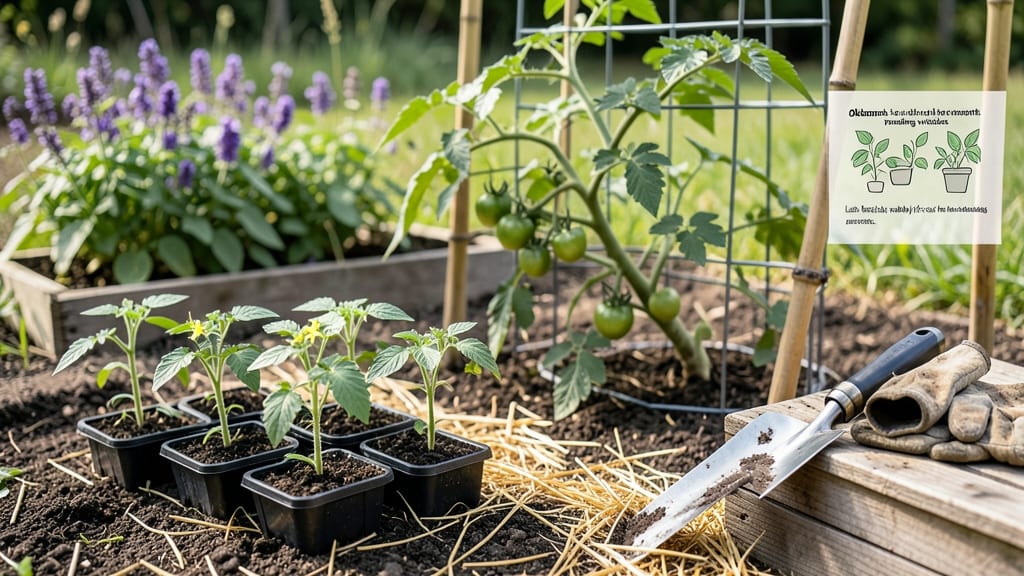
Planting tomatoes in Oklahoma isn’t just about grabbing seeds and sticking them in the dirt—it’s about catching that perfect window between frost and scorching heat. Miss the mark, and you’ll either lose your seedlings to late spring freezes or watch your plants wilt under July’s relentless sun.
With Oklahoma’s USDA Zones 6b-8a and unpredictable weather, timing is everything. The key? Knowing your local last-frost dates—whether you’re in Oklahoma City, Tulsa, or a rural county—and choosing varieties that thrive in your microclimate.
I’ll break down the exact planting windows, from mid-April to early June for spring harvests to late summer for fall crops.
But here’s the game-changer: Oklahoma’s soil and heat demand smart prep. We’ll cover soil temperature tricks, heat-tolerant tomato picks, and how to stretch your growing season with row covers. Whether you’re a first-time gardener or a veteran, these tips will help you maximize your yield—no guesswork needed.
Ready to turn your garden into a tomato powerhouse? Let’s dive into the science-backed strategies that work for Oklahoma’s climate, so you can enjoy homegrown 🍅 from June through November.
Oklahoma’s last-frost dates by county: the exact timeline for planting tomatoes
Timing your tomato planting in Oklahoma isn’t just about avoiding frost—it’s about matching your county’s microclimate to your variety’s heat tolerance. The state spans USDA Zones 6b-8a, meaning last frost dates can vary by 3+ weeks from panhandle to southeast.
For example, Oklahoma City typically sees its last frost around April 15, while Tulsa averages April 5. Rural areas like Altus can push planting back to May 1 due to colder nights.
Early varieties like ‘Early Girl’ (60-65 days to maturity) can handle cooler springs in northern counties, while heat-lovers like ‘Solar Fire’ (75+ days) thrive when planted after May 15 in southern zones.
The key is soil temperature: Tomatoes need 60°F+ soil to germinate, which often lags behind air temperature in Oklahoma’s clay-heavy soils.
Here’s your county-by-county planting timeline, including risk zones for late frosts and ideal transplant windows for both spring and fall harvests:
| County | Last Frost (Avg.) | USDA Zone | Spring Plant Window | Fall Plant Window | Notes |
|---|---|---|---|---|---|
| Oklahoma City | April 15 | 7a | April 20–May 10 | July 15–August 5 | High risk of late frost; use row covers |
| Tulsa | April 5 | 7b | April 10–April 30 | July 1–July 20 | Warmer nights; great for early varieties |
| Lawton | April 1 | 7a | April 15–May 1 | July 10–August 1 | Dry winds; mulch heavily |
| Altus | March 25 | 6b | May 1–May 15 | July 20–August 10 | Late frosts common; wait for soil warmth |
| Tahlequah | April 10 | 7a | April 15–April 25 | July 5–July 15 | Higher humidity; watch for blight |
| McAlester | March 30 | 7b | April 10–April 20 | July 1–July 10 | Long growing season; double-crop possible |
| Ada | April 1 | 7a | April 15–April 30 | July 10–July 20 | Moderate heat; stake plants early |
For Oklahoma City gardeners, I recommend starting heat-tolerant varieties like ‘Celebrity’ or ‘Better Boy’ in early May to avoid late frosts. In Tulsa’s warmer microclimate, you can plant ‘Early Girl’ as early as April 15 if you use black plastic mulch to warm the soil.
Rural areas like Altus should wait until May 1 or risk frost damage, even with row covers.
Don’t forget about fall planting! Oklahoma’s second growing season runs from July to early October, giving you a second chance for heirloom varieties like ‘Brandywine’. Plant transplants in late July (after the hottest stretch) for a harvest in September-October. Use shade cloth during
How to adjust planting dates for Oklahoma’s unpredictable weather patterns
Oklahoma’s variable climate means last frost dates can shift by weeks—sometimes even overnight. I’ve learned the hard way that planting my tomato seedlings too early in April can mean frost damage, while waiting until June might delay my harvest until late summer.
The key is using data-driven adjustments rather than relying on averages.
Start by checking your local frost-free date using the Oklahoma Mesonet or USDA Plant Hardiness Zone Map. For example, Oklahoma City typically sees its last frost around April 15, but Tulsa can be 7-10 days earlier.
Rural areas often have earlier frosts than cities due to cooler nighttime temperatures.
⚠️ NON-NEGOTIABLE: Never plant tomatoes outdoors until soil temperatures consistently reach 60°F+ and nighttime lows stay above 50°F. Cold soil slows germination and stunts root growth. Use a soil thermometer ($10 at garden centers) to verify—55°F is the absolute minimum for healthy seedlings.
If your soil is still cold, opt for heat-tolerant varieties like ‘Heatmaster’ or ‘Solar Fire’, which thrive in 90°F+ heat.
🌡️ Oklahoma’s Weather Wildcards
Cold snaps can hit as late as May 10, while heatwaves may start by June 1. If your seedlings are 3-4 inches tall when a 40°F night hits, cover them with frost blankets or row covers. For late plantings (July-August), choose determinate varieties like ‘Roma’ or ‘Celebrity’—they ripen faster in shorter seasons.
For spring plantings, aim to transplant 2-3 weeks after your last frost date. If you’re unsure, use the “50-day rule”: Count back 50 days from your first expected frost (e.g., October 15 in Oklahoma City) to determine your latest planting window.
For fall harvests, start seeds indoors 8-10 weeks before your average first frost (mid-September in most areas).
Extend your season with row covers or cold frames—these can add 2-4 weeks to your growing window. I’ve used floating row covers to protect my cherry tomatoes from late spring frosts and even early fall chills.
Just remember to remove covers during daytime heatwaves to prevent overheating (above 95°F can scorch leaves).
Pro tip: Monitor Oklahoma State University Extension’s weekly garden updates for real-time alerts on pest outbreaks or weather shifts. Their free frost calendar (updated annually) is a game-changer for Oklahoma gardeners.
Pair that with a garden journal to track your own microclimate notes—like how your east-facing bed warms up faster than your west-facing one.
Finally, don’t overlook succession planting. Instead of planting all your tomato seeds at once, stagger them every 2 weeks from April to June for a continuous harvest.
This way, if one batch fails due to disease or heat stress, you’ll still have tomatoes ripening in July and August. 🌱