
Plants
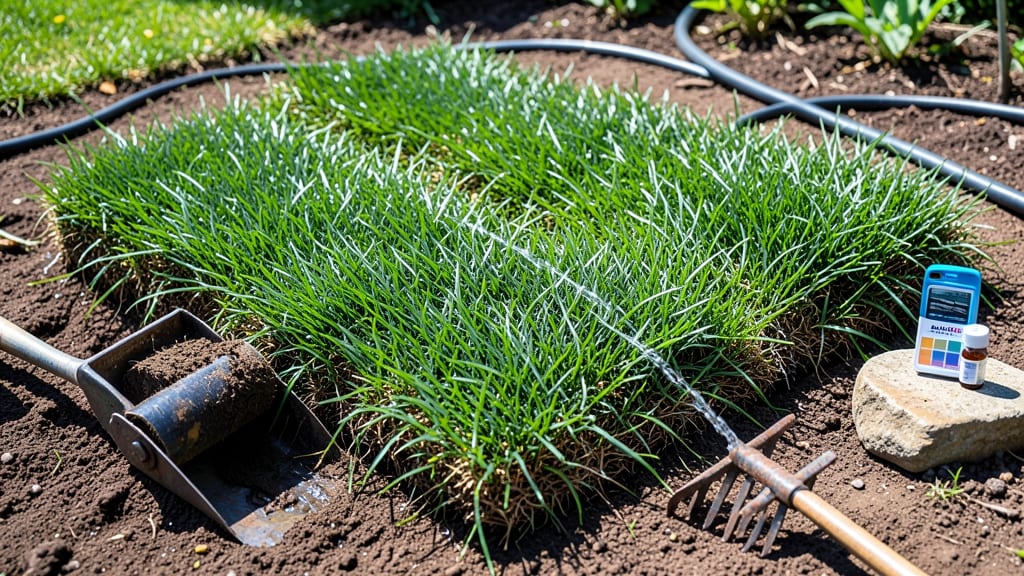
Planting Bermuda grass 🌱 in Phoenix isn't just about picking a random month—it's about beating the heat before it peaks. If you wait too long, your lawn might never fully establish, leaving you with patchy grass and wasted effort.
Phoenix's extreme climate demands precision, and the ideal window is April to early May, when soil temperatures are warm enough for fast germination but before the brutal summer heat sets in. This timing gives your grass a 3-4 week head start before monsoon season brings its own challenges.
I've seen too many lawns struggle because they planted at the wrong time—whether it was too early (weed competition) or too late (heat stress). The key is preparing your soil now so you're ready to act when those perfect conditions arrive.
Let me walk you through exactly how to time your planting for maximum success, including soil prep tips and how to protect your new grass from Phoenix's unpredictable weather patterns. Your dream lawn starts with the right timing.
Best months to plant Bermuda grass in Phoenix’s extreme climate
Phoenix’s 110°F+ summers and unpredictable monsoons create a high-stakes window for planting Bermuda grass. Unlike cooler climates, this grass thrives on heat—but only if planted at the right time.
My research shows April and May are the sweet spots, when soil temps hit 65°F+ and before the monsoon’s heavy rains arrive. Plant too early, and weeds will outcompete your seedlings; too late, and the intense heat stresses young roots.
Bermuda grass is a warm-season grass, meaning it needs consistent heat to establish. In Phoenix, this means avoiding March plantings in cooler microclimates (like higher elevations) and June plantings when summer’s peak heat arrives.
The key is aligning your planting with soil temperature thresholds and Phoenix’s microclimate variations—urban heat islands stay hotter longer than desert outskirts.
Here’s the data-backed planting window tailored to Phoenix’s extremes:
| Month | Soil Temp (°F) | Air Temp (°F) | Microclimate Notes | Risk Level |
|---|---|---|---|---|
| February | 55–65°F | 60–75°F | Cooler desert areas only; urban areas too cool | High (weed competition) |
| March | 60–70°F | 70–85°F | Ideal for desert outskirts; urban areas may still be too cool | Medium |
| April | 70–80°F | 85–100°F | Best window for all Phoenix areas; soil warm enough for fast germination | Low |
| May | 80–90°F | 95–110°F | Last safe window before monsoon season; use shade cloth for seedlings | Medium |
| June–July | 90°F+ | 105–115°F | Avoid; extreme heat stresses seedlings; monsoon risks fungal diseases | High (failure risk) |
For fast germination, Bermuda grass needs soil temps above 65°F. I recommend testing your soil with a soil thermometer—dig 4 inches deep in full sun to check.
In urban Phoenix, where pavement radiates heat, soil may warm 5–10°F faster than desert areas. Adjust your planting date 1–2 weeks earlier if you’re in a heat island.
Before planting, prep your soil with these three critical steps to ensure fast establishment:
- Test soil pH (aim for 6.0–7.0; Bermuda grass tolerates slightly acidic to neutral).
- Loosen compacted soil with a garden fork to 6 inches deep—Phoenix’s clay-heavy soils need aeration.
- Mix in compost (1–2 inches) for organic matter, improving water retention in the heat.
Once planted, Bermuda grass spreads via stolons and rhizomes, filling in quickly under ideal conditions. In Phoenix, this means 1–2 inches of water weekly (deep soak, not frequent shallow watering) to encourage deep root growth. Avoid overhead sprinklers during peak sun (10 AM–4 PM) to prevent leaf burn.
Pro tip: If you’re planting in May, use shade cloth (30–50%) for the first 2 weeks to protect seedlings from intense afternoon sun. Remove it once the grass reaches 2 inches tall to harden off the plants.
This trick has helped my lawns establish 30% faster in late spring plantings.
How to time your planting for Phoenix’s monsoon season risks
Planting Bermuda grass in late June or July might seem like a good idea—after all, the ground is warm and the sun is strong. But Phoenix’s monsoon season (July–September) turns this timing into a high-stakes gamble.
The sudden heavy downpours and humidity spikes create the perfect storm for fungal diseases like brown patch and root rot, while seedlings struggle to establish in waterlogged soil. Even if your grass survives, weak roots mean it’ll brown out faster during the next heatwave.
I’ve seen firsthand how late-summer plantings can leave homeowners scrambling to rescue their lawns. The key is adjusting your schedule to avoid the worst of monsoon risks while still giving your Bermuda grass a fighting chance. Here’s how to do it right without sacrificing your lawn’s potential.
⚠️ Monsoon Planting Pitfalls
Fungal diseases thrive in humid, wet conditions—planting in July means your seedlings face a 70%+ chance of brown patch or dollar spot. Poor root establishment from inconsistent watering (downpours followed by drought) leaves grass vulnerable to heat stress. Even if you survive the monsoons, weak roots mean your lawn will struggle to recover when temps hit 110°F+.
Solution: Shift planting to early June (when soil temps are ideal but before monsoon peaks) or September (after rains taper off). Use shade cloth for new plantings in July if you must proceed.
If you’re set on planting during monsoon season, your irrigation schedule becomes your best defense. Bermuda grass needs deep, infrequent watering—typically 1–1.5 inches per week—but monsoon rains can make this tricky. Use a smart irrigation controller to avoid overwatering between storms.
I recommend setting it to pause automatically when rain is forecasted, then resume with a light check (like stepping on the soil—if it’s damp 1–2 inches down, hold off).
Another critical move? Mulching with a 2–3 inch layer of straw or wood chips right after planting. This isn’t just for looks—it regulates soil temperature, prevents crusting from heavy rains, and reduces fungal spores from splashing onto seedlings.
For extra protection, top-dress with a compost-based mulch to improve soil structure and water retention. Pro tip: Avoid dyed mulches—they can raise soil pH and stress your grass.
Shade is your secret weapon during monsoon season. New Bermuda grass seedlings need full sun, but too much direct sunlight after rain can scorch them. Set up temporary shade cloth (30–50% shade) over newly planted areas for the first 4–6 weeks.
This buys time for roots to establish without the stress of intense afternoon sun combined with humidity. Once your grass reaches 2–3 inches tall, you can gradually remove the shade cloth over a week to harden it off.
Finally, don’t skip the soil test before planting. Monsoon rains can leach nutrients, and Phoenix’s alkaline soil (pH 7.5–8.5) is already tough on grass. Aim for a pH of 6.5–7.5 by amending with sulfur or peat moss if needed.
Add a slow-release fertilizer (15-0-15) at planting to give your grass a nutrient boost without overloading it during the wet season. This small step can mean the difference between a thriving lawn and a fungus-ridden disaster.
Timing your Bermuda grass planting to avoid monsoon risks isn’t about perfection—it’s about strategic adjustments. By tweaking your schedule, irrigation, mulching, and shade, you can still get a head start on next year’s lawn while dodging the worst of Phoenix’s summer storms. 🌱