
Plants
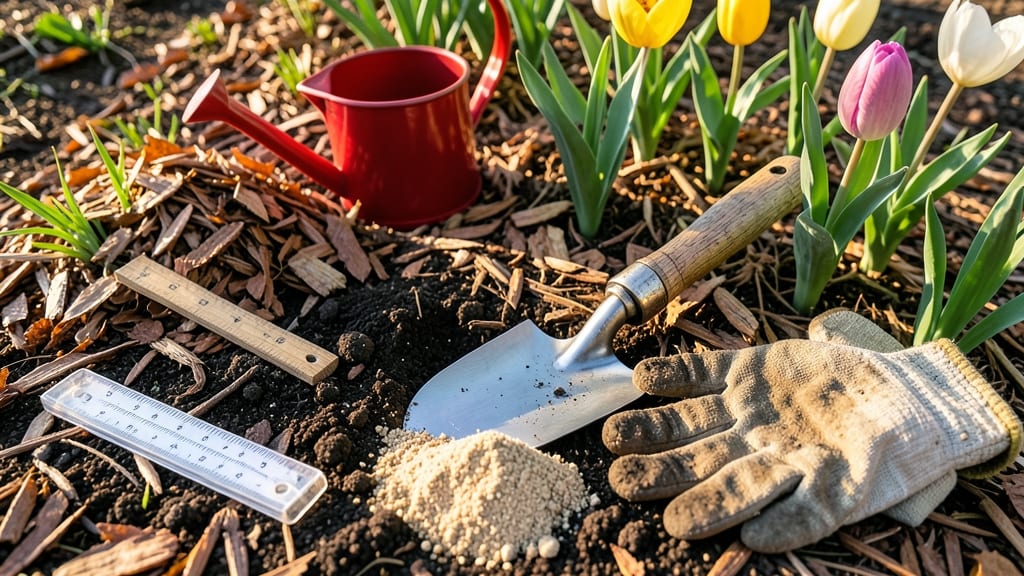
Planting Spring Flowering Bulbs 🌷 in Phoenix isn’t just about timing—it’s about beating the heat before it kicks in. With zero frost risk in Zone 9b, you’ve got a narrow window to get bulbs in the ground before winter’s mild spells trick them into sprouting too early.
Most gardeners assume fall planting means "as soon as possible," but in Phoenix’s climate, rushing can backfire. The ideal window is late October through December, when soil stays cool enough for roots to establish without premature growth.
This is where many make their first mistake—and end up with weak blooms or no blooms at all.
What you’ll discover here are the exact adjustments for Phoenix’s microclimates, from urban heat islands to elevated desert plots. We’ll cover soil prep, watering tricks to prevent early sprouts, and which bulbs actually thrive in this extreme environment. No more guesswork—just proven strategies for vibrant spring blooms.
Whether you’re a first-time gardener or a veteran with burnt soil, these insights will help you turn Phoenix’s challenges into your bulbs’ biggest advantage. Let’s get those 🌷 planted right.
Best months to plant spring vs. fall bulbs in Phoenix’s heat Zone 10A
Phoenix’s Heat Zone 10A offers gardeners a unique advantage: no frost risk means bulbs can thrive year-round with the right timing. Unlike northern climates, where frost signals planting windows, Phoenix’s mild winters create a 6-8 week window for fall planting and a spring alternative for heat-sensitive varieties.
The key? Planting when soil temps stay below 70°F to prevent premature sprouting.
Most gardeners assume fall planting is the only option, but Phoenix’s climate allows for spring planting of certain bulbs—like rain lilies—that tolerate heat. The challenge lies in avoiding summer dormancy stress and ensuring bulbs establish roots before monsoon season. Let’s break down the exact months for each type.
For spring-flowering bulbs like tulips and daffodils, the 6-week window between October and December is critical. These bulbs need time to establish roots before Phoenix’s soil warms in late winter.
Planting in November gives them a head start, while October planting is ideal for cooler microclimates like Carefree Highway or Biltmore neighborhoods.
Fall-planted bulbs—such as daffodils and crocuses—have a slightly broader window, from September to November. The goal is to plant before soil temps exceed 75°F, which can trigger premature sprouting and bulb rot.
In urban heat islands, like downtown Phoenix, aim for early September planting to avoid heat stress.
Phoenix’s heat-tolerant bulbs, like rain lilies and agapanthus, buck the traditional timeline. These thrive when planted in late winter (February–March), aligning with the city’s coolest months.
Their ability to handle 90°F+ temps makes them perfect for full-sun gardens, but they still need consistent moisture during root establishment.
One common mistake in Phoenix is planting too late in fall, assuming the mild climate gives extra time. However, bulbs planted after December 15 risk heat shock as soil temps rise. For containers, adjust timing by 2–3 weeks earlier since they warm faster than ground soil.
To maximize success, pair planting with mulching and drip irrigation. A 2-inch layer of straw helps retain moisture, while drip systems deliver water directly to roots without wetting foliage—critical for fungal
How to adjust planting timing for Phoenix’s microclimates and soil conditions
Phoenix’s desert microclimates create unique challenges for bulb planting. Elevated areas like Camelback Mountain stay cooler, while urban heat islands near downtown can trap warmth. These variations mean your planting window might shift by weeks depending on location.
Even soil type—whether sandy or clay-heavy—affects when bulbs should go in the ground.
In sandy soils, which drain too quickly, bulbs need earlier planting (late September) to establish roots before winter rains. Clay soils, which hold moisture longer, allow later planting (November) without risking rot.
Ignoring these differences can lead to premature sprouting or stunted growth when mild winter spells trick bulbs into waking up too soon.
⚠️ callout-warning
⚠️ Warning: Phoenix’s False Springs
Don’t let unseasonably warm winter days fool you! Bulbs planted too early may sprout in December or January, only to be fried by 100°F+ heat before blooming. Adjust timing 2-3 weeks later in urban areas where heat islands delay frost risk.
For elevated gardens (like those in Scottsdale’s foothills), aim for October planting since temperatures drop faster at higher elevations. Use mulch (2-3 inches of straw) to insulate soil and prevent temperature swings.
In low-lying urban areas, wait until mid-November to plant—this gives bulbs time to root before ground temperatures rise again.
Watering strategies also shift with soil type. In sandy soils, water twice weekly after planting to encourage root growth, while clay soils only need weekly deep watering.
Always water in the early morning to reduce evaporation and fungal risks. Overwatering in winter can drown bulbs before they’ve had a chance to establish.
Test your soil’s drainage before planting: dig a 6-inch hole, fill it with water, and time how long it takes to drain. If water sits for more than 30 minutes, amend with perlite or compost to improve aeration.
For clay-heavy soils, mix in coarse sand to create pockets for roots to spread.
Pro tip: Plant shade-loving bulbs like agapanthus or rain lilies under existing trees or shrubs to protect them from Phoenix’s intense afternoon sun. These varieties also tolerate the alkaline soils common in the Valley of the Sun.
Adjust your fertilizer schedule too—skip nitrogen-heavy feeds in summer and opt for phosphorus-rich amendments in fall to support root development.