
Plants
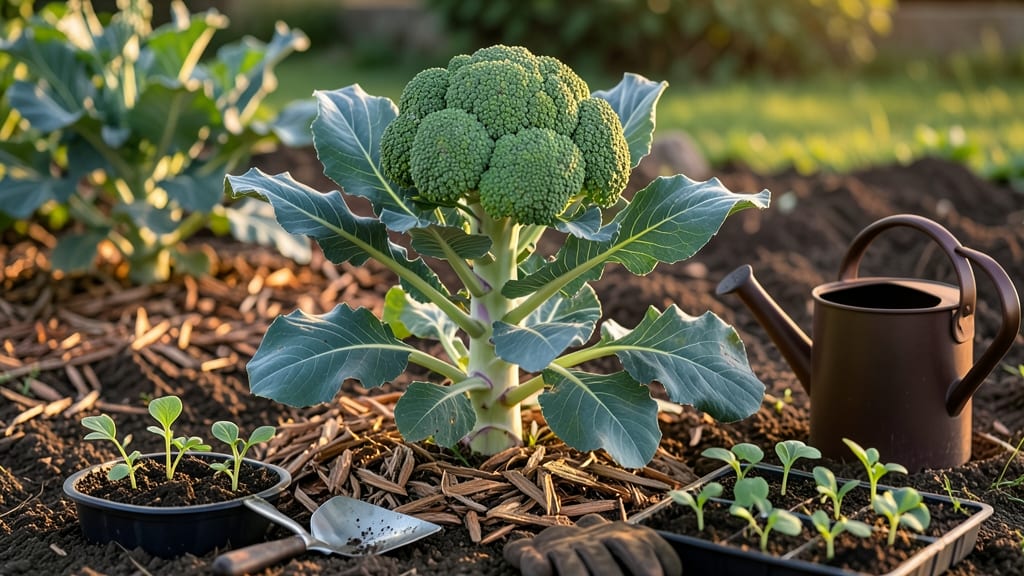
Planting broccoli 🥦 in Northern California isn’t just about picking a month—it’s about timing it right for your microclimate. Coastal gardeners in zones 9-10 can start as early as August, while inland growers in 8-9 should wait until September to avoid heat stress.
Get this wrong, and you’ll end up with bitter, bolted heads instead of the sweet, crisp harvest you’re dreaming of.
I’ve learned the hard way that Northern California’s foggy coasts and sunbaked valleys play by different rules. The key? Understanding your last frost date—December 15 for coastal areas, March 15 inland—and planting broccoli seeds 4-6 weeks before that window opens.
Whether you’re direct-sowing or starting indoors, this guide will help you nail the perfect timing for your location.
What you’ll discover here are the exact planting windows for both spring and fall crops, plus how to adjust for your specific microclimate.
We’ll cover everything from soil prep to companion planting, so you can grow broccoli that’s healthier, more productive, and ready to harvest just when you need it.
Ready to stop guessing and start growing? Let’s dive into the best times to plant broccoli in Northern California—because the difference between a thriving garden and a failed crop often comes down to those first few weeks in the ground.
Northern California broccoli planting calendar: coastal vs inland start dates compared
Northern California’s broccoli planting calendar isn’t one-size-fits-all—your location’s microclimate dictates the perfect timing. Coastal areas like San Francisco and Monterey (USDA zones 9-10) enjoy milder winters, while inland cities like Sacramento and Fresno (zones 8-9) face earlier frosts.
Plant too early, and you’ll risk bolting; too late, and your crop won’t mature before heat sets in. Let’s break down the exact planting windows for each region.
For coastal gardeners, the ideal planting windows are broader thanks to milder temperatures. You can start direct-sowing seeds as early as late January (with frost protection) or transplant seedlings from February through March.
A second planting in late August ensures a fall harvest before coastal frosts arrive in December. Inland areas, however, must act faster—transplant seedlings by mid-February to avoid early spring heat, or opt for a fall crop by mid-August.
Here’s where it gets tricky: frost sensitivity varies. Coastal broccoli can handle light frosts (down to 25°F), while inland varieties may struggle below 28°F.
Use row covers or cold frames to extend coastal seasons, but inland gardeners should prioritize fast-maturing varieties like ‘De Cicco’ or ‘Waltham 29’ to beat the clock.
🌱
| Region | USDA Zone | Spring Planting Window | Fall Planting Window | Last Frost Date | First Frost Date | Key Adjustments |
|---|---|---|---|---|---|---|
| Coastal (SF, Monterey) | 9-10 | Feb 15 - Mar 15 | Aug 15 - Sep 1 | Jan 1 - Jan 15 | Dec 1 - Dec 15 | Use row covers for early starts |
| Inland (Sacramento, Fresno) | 8-9 | Feb 1 - Feb 15 | Aug 1 - Aug 15 | Feb 15 - Mar 1 | Nov 15 - Dec 1 | Choose fast varieties (50-60 days) |
| Both Regions | 8-10 | Soil temp ≥45°F | 90-120 days before frost | N/A | N/A | Full sun, 6-8 hrs/day |
Timing isn’t just about months—it’s about soil temperatures. Broccoli seeds need soil temps above 45°F to germinate. Coastal gardeners can test soil in late January, while inland areas should wait until mid-February.
Use a soil thermometer to confirm—cold soil delays germination and invites damping-off disease. Pro tip: Mix in compost to warm soil faster and improve drainage.
For fall harvests, coastal gardeners have until September 1st to plant, while inland areas must finish by August 15th. Aim for 90-120 days
Northern California’s coastal fog belts and inland heat pockets create wildly different growing conditions for broccoli. On the coast, persistent marine layer delays planting by 3-4 weeks compared to inland valleys where summer heat demands earlier starts. The key? Adjusting your schedule based on microclimate-specific frost dates and temperature thresholds that trigger bolting. For coastal gardens in USDA zones 9-10 (think San Francisco or Santa Cruz), aim to sow seeds August 15-September 15 for fall crops. The fog keeps soil cooler longer, but you’ll need row covers to protect young plants from unexpected chills. Inland valleys (Sacramento, Fresno) with USDA zones 8-9 can start July 1-August 15—earlier to beat the heat before fall rains arrive.How to adjust broccoli planting for Northern California’s microclimates
My top microclimate tip: Test soil temperatures before planting. Coastal soils stay below 65°F longer—wait until they hit 68°F consistently before sowing. Inland soils can exceed 90°F by July; plant when temps dip below 80°F in afternoon shade. A simple soil thermometer ($10 at garden centers) prevents costly mistakes.
For extended harvests, try succession planting with cold-hardy varieties like 'De Cicco' or 'Calabrese'. Plant the first batch in early August (coast) or mid-July (inland), then add every 2-3 weeks until September 15.
This creates a rolling harvest through December-February, just as winter markets peak. Just remember: coastal plants will bolt faster in spring, so prioritize fall/winter varieties.
One final adjustment: mulch differently by region. Coastal gardens need light straw mulch (1-2 inches) to prevent soil compaction from winter rains. Inland valleys require thick straw or wood chips (3-4 inches) to conserve moisture and keep roots cool.
This simple tweak can mean the difference between crisp, sweet broccoli and bitter, tough heads.
With these microclimate-specific adjustments, you’ll avoid the #1 mistake Northern California gardeners make: planting broccoli on the same schedule everywhere. The coast and valleys are not the same garden—treat them that way, and you’ll enjoy homegrown broccoli for months.