
Trees
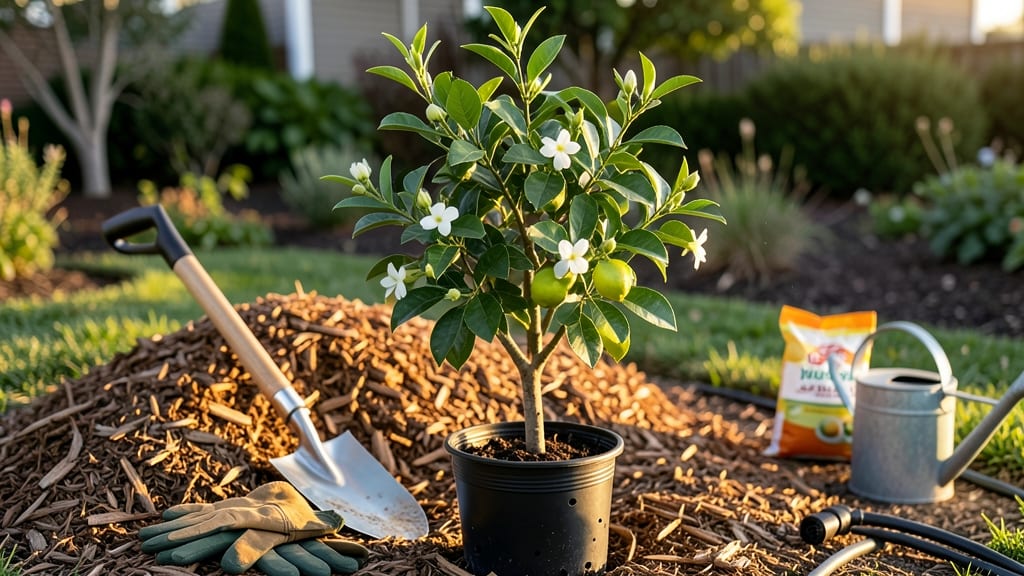
Planting a citrus tree 🍊 in Central Florida at the wrong time could mean watching it struggle—or worse, fail—despite your region’s perfect climate.
The key to thriving growth isn’t just about soil or sunlight; it’s about choosing the right moment when roots can establish before summer’s intense heat or winter’s rare chills.
Most gardeners assume year-round planting works because Florida rarely freezes, but the truth is, late winter to early spring gives your citrus tree the best shot at strong root development before the heat ramps up.
I’ve seen trees planted in summer wilt under stress, while those in the ideal window grow 3 feet taller in their first year.
In this guide, I’ll break down the exact months that work best for your area—whether you’re planting in-ground or containers—and how to avoid common pitfalls like frost damage (yes, it can happen in 9a-10a zones).
You’ll also learn which citrus varieties handle Florida’s microclimates best, so you’re not left with underperforming trees.
Ready to skip the guesswork? Let’s get your citrus tree off to the right start with timing that guarantees success, not frustration.
Best months to plant citrus trees in Central Florida (climate-specific guide)
Central Florida’s frost-free climate (USDA Zones 9b-10a) might seem perfect for citrus trees, but timing still matters. Planting outside the ideal window can lead to transplant shock or poor root establishment.
The best months to plant citrus trees in Central Florida are August through October, when temperatures are warm but not extreme, and rainfall provides natural moisture.
This window aligns with Central Florida’s monsoon season, offering consistent moisture without the risk of winter cold snaps. Unlike northern climates, you don’t need to wait for spring—citrus trees thrive when planted during the transition from summer heat to cooler fall temperatures.
However, avoid planting in peak summer (June-July) when soil temperatures can stress young roots.
Why August-October? This period provides:
- Balanced temperatures (75°F–85°F) for root growth
- Natural rainfall to reduce irrigation needs
- Lower humidity compared to summer, reducing fungal risks
- No frost threat (Central Florida’s last frost is rare, but cold snaps can still occur in January-February)
For container-grown citrus trees, you can plant year-round in Central Florida, but August-October remains ideal for in-ground planting. Containers allow you to move trees indoors during rare cold snaps (below 30°F), but in-ground trees need well-draining soil and a sheltered location to avoid frost damage.
Different citrus varieties have varying cold tolerance.
For example: - ‘Meyer’ lemons and ‘Calamondin oranges tolerate brief dips to 28°F - ‘Valencia’ oranges struggle below 30°F - ‘Ruby Red’ grapefruit need protection below 32°F Plant hardier varieties first if you’re near Central Florida’s cooler inland areas (e.g., Lake County or Ocala).
If you miss the August-October window, don’t panic—you can still plant in December-March, but take extra steps:
- Use frost blankets for young trees
- Plant in containers for mobility
- Choose microclimates (e.g., near buildings or fences that trap heat)
- Water deeply before cold snaps to protect roots
Pro tip: Test your soil’s pH before planting—citrus trees prefer 6.0–7.0. Central Florida’s sandy soils often need organic matter (like compost or peat moss) to retain moisture. Mix in 1–2 inches of compost into the planting hole to give your citrus tree a nutrient boost from day one.
Once planted, mulch around the base with 3–4 inches of wood chips to retain moisture and regulate soil temperature. Avoid mulching too close to the trunk to prevent rot. In the first 6–12 months, your
How to prepare your citrus tree for Central Florida’s unique growing conditions
Central Florida’s sandy soil and humid climate create perfect conditions for citrus trees—but only if you prepare properly. The key lies in soil amendments, drainage solutions, and frost protection tailored to your microclimate.
Without these adjustments, your tree may struggle with root rot or nutrient deficiencies, even in warm weather.
Start by testing your soil pH. Citrus trees thrive in slightly acidic soil (6.0-7.0). If your soil is too alkaline (common in Florida), amend it with sulfur or peat moss before planting. This simple step can make the difference between a thriving tree and one that barely survives.
⚠️ callout-warning
Central Florida’s sandy soil drains quickly, but heavy rains can still cause root suffocation. Always plant in a slightly elevated mound or raised bed to ensure proper drainage. If your yard floods easily, consider container planting with drainage holes.
Pro Tip: Mix 50% native soil with 50% compost and a 10% perlite amendment to improve structure and aeration.
Next, focus on frost protection, even in frost-free Central Florida. While rare, cold snaps below 28°F can damage young citrus trees. Protect your investment by planting near a south-facing wall or using frost cloth during unexpected cold spells.
For container-grown trees, move them to a garage or sheltered patio when temperatures dip.
After planting, prioritize mulching to retain moisture and regulate soil temperature. Use 3-4 inches of organic mulch (like pine bark or wood chips) around the base of your tree, but keep it 6 inches away from the trunk to prevent rot. This layer also suppresses weeds, reducing competition for nutrients.
Finally, establish a consistent watering schedule. Newly planted citrus trees need deep watering 2-3 times per week for the first month, then taper to weekly deep soakings once established. Avoid overhead watering to prevent fungal diseases like citrus greening, which thrives in humid conditions.
With these adjustments, your citrus tree will establish strong roots and resist Central Florida’s unique challenges. Monitor for pests like aphids and nutrient deficiencies (yellow leaves often signal nitrogen needs), and you’ll enjoy a productive tree for years to come. 🌱