
Trees
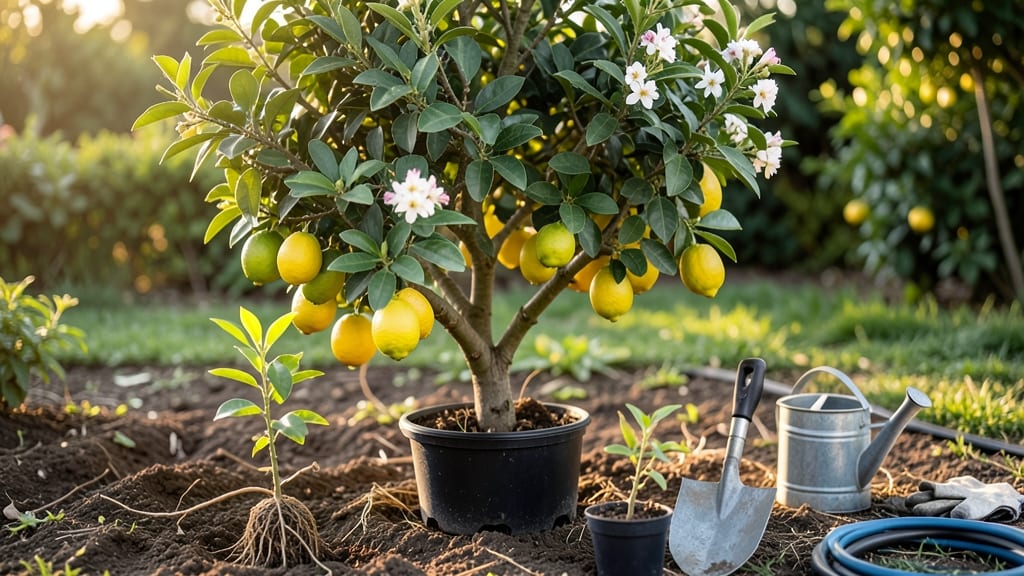
Planting a citrus tree 🍊 in Arizona isn’t just about finding the right spot—it’s about timing it perfectly to avoid frost damage and give your tree the best shot at thriving.
Most gardeners assume spring is the only window, but in Arizona’s 9b climate, winter planting actually gives your citrus tree a head start on root growth before the scorching summer heat arrives.
I’ve learned the hard way that planting too late can mean stunted growth, while planting too early risks frost damage—even in Arizona’s mild winters. The key is understanding when soil temperatures are just right for root development.
Let me walk you through the exact months to plant your citrus tree for maximum survival, plus how to adjust for your specific microclimate—whether you’re in Phoenix or Flagstaff.
Best planting months for citrus trees in Arizona’s climate zones
Arizona’s diverse climate—from the scorching Sonoran Desert to the cooler high desert regions—creates unique challenges for citrus growers. While citrus thrives in Arizona’s warmth, timing your planting is critical to avoid frost damage or heat stress.
The ideal window spans November through March, when soil temperatures are perfect for root establishment and frost risks are minimal. Let’s break down the best months for each of Arizona’s key climate zones.
In low desert areas like Phoenix and Tucson (USDA Zones 9b-10a), citrus trees can handle mild winters and even tolerate brief dips below freezing. However, high desert regions like Flagstaff and Prescott (USDA Zones 7a-8a) face harsher frost risks, requiring earlier planting to ensure roots establish before winter.
Understanding these differences ensures your citrus tree thrives from day one.
Soil temperature is another critical factor. Citrus roots need consistent warmth—aim for 60°F or above—to avoid shock. In Arizona, this typically aligns with late fall through early spring.
Planting too early (like September) risks summer heat stress, while waiting until April may expose young trees to unpredictable late frosts in high desert areas.
For low desert regions like Phoenix, November and December are peak months because soil stays warm, and frost risks are nearly nonexistent. These conditions allow roots to establish quickly, setting the stage for robust growth.
In contrast, high desert areas like Flagstaff benefit from planting in October or early November to give roots time to harden before winter. Even a single frost can damage young citrus trees, so timing is everything.
Container-grown citrus trees offer added flexibility, especially in urban heat islands where microclimates vary dramatically. If you’re planting in containers, December through February works well, as you can move pots to sheltered areas during unexpected cold snaps.
Just ensure containers have drainage holes and use a lightweight potting mix to prevent root rot.
One common mistake is planting citrus in late winter or early spring, assuming the weather is warming up. However, April frosts can still occur in high desert areas, and young trees may not survive.
Always check local frost dates—most Arizona regions have their last frost by mid-January, but high desert areas can see frost until mid-March.
If you miss the ideal window, don’t panic! October and April are secondary planting months, but they require extra care. In October, monitor soil moisture closely, as summer heat can still linger.
For April plantings, use shade cloth during the hottest part of the day to protect young leaves from sunburn.
Pro tip: Amend your soil with compost and sand before planting to improve drainage—a critical factor for citrus trees in Arizona’s heavy clay soils. Mulch with wood chips or straw to retain moisture and regulate soil temperature.
With the right timing and prep, your citrus tree will thrive for decades, producing juicy, homegrown fruit year after year.
🍊
Critical factors that determine citrus planting success in Arizona
Arizona’s soil composition is the foundation of citrus success—most native soils are alkaline and clay-heavy, which can suffocate roots if not amended. Test your soil’s pH (6.0-7.0 is ideal) and mix in compost or sand to improve drainage.
Urban areas often have compacted soil from construction, requiring raised beds or mounds to prevent waterlogging.
Water availability is another make-or-break factor. Citrus trees need consistent moisture during establishment but drought tolerance once mature. In rural areas, deep watering every 7-10 days is sufficient, while urban heat islands may require daily watering during summer.
Always water at the base of the tree to avoid fungal diseases from overhead sprinklers.
Sun exposure directly impacts fruit production—citrus thrives in full sun (6+ hours daily), but afternoon shade can protect young trees from 110°F+ temperatures. In urban settings, south-facing walls or patios amplify heat, so partial afternoon shade may be necessary. Rural areas with open skies provide ideal conditions, but windbreaks are crucial to prevent root exposure.
Key Takeaways for Planting Citrus in Arizona
Timing your planting to align with soil temperatures is critical—roots establish best when soil is 60-70°F. In Arizona’s low desert (e.g., Phoenix), this occurs naturally in November-February, while high desert areas (e.g., Flagstaff) may need to wait until March-April to avoid late frosts.
Urban microclimates can be 5-10°F warmer than rural areas, so monitor local weather patterns closely.
Urban gardeners face unique challenges like limited space and heat reflections from buildings. Choose dwarf varieties (e.g., Calamondin or Meyer lemon) for containers, and use lightweight, breathable potting mix to prevent root rot.
Rural plantings benefit from larger root zones, but ensure proper spacing (15-20 ft between trees) to avoid competition for water and nutrients.
Finally, adjust your approach based on your specific location. If you’re in Tucson’s Sonoran Desert, prioritize wind protection and shade cloth during summer. In Prescott’s high desert, focus on frost-resistant varieties like Satsuma mandarins and use row covers for young trees.
By tailoring these factors to your conditions, you’ll set your citrus up for years of bountiful harvests. ☀️