
Plants
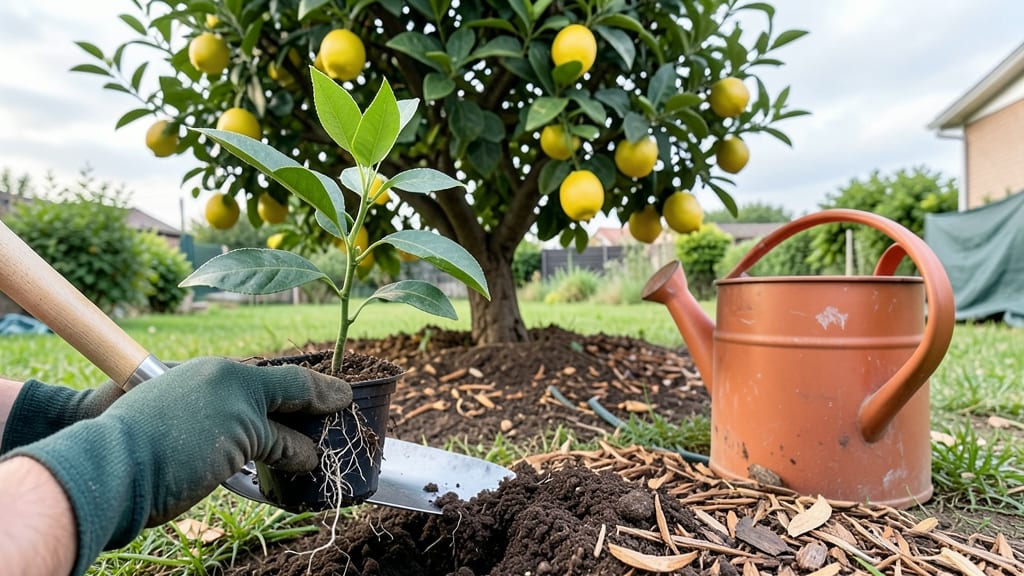
Planting citrus 🍊 in Arizona at the wrong time can turn your dream orchard into a sad, stunted mess—especially when those unexpected desert frosts roll in. The key to thriving trees lies in timing, and if you wait until summer, you’re basically signing up for transplant shock and slow growth.
Here’s the truth: November through March is when Arizona’s climate plays nicely with citrus, giving young trees the cool-weather head start they need to establish strong roots before the brutal summer heat arrives.
But not all months are created equal—some are better for container-grown trees, while others work best for in-ground planting.
I’ve seen firsthand how a well-timed planting can mean the difference between a 6-foot dwarf lemon tree bursting with fruit and a struggling sapling that never quite catches up. Let me break down the best months for your specific citrus variety—and how to avoid the biggest mistakes Arizona growers make.
Whether you’re dreaming of backyard oranges or container-grown grapefruits, getting the timing right is the first step to a citrus harvest that’ll make your neighbors jealous. Let’s get you planted the right way.
Optimal planting months for citrus trees in Arizona’s climate zones
Arizona’s diverse climate zones create unique opportunities—and challenges—for growing citrus. The Low Desert (like Phoenix and Tucson) enjoys warm winters, while the High Desert (Flagstaff, Prescott) faces frost risks, and the Transition Zones (e.g., Mesa, Sedona) sit in between.
Planting at the wrong time can expose young trees to frost damage or heat stress, so timing is critical. I’ll break down the best months for each zone, including tips for dwarf, semi-dwarf, and standard trees.
Citrus trees thrive in Arizona’s USDA Zone 9b, but microclimates vary dramatically. The Low Desert rarely drops below 30°F, while the High Desert can see 20°F or lower. Even in frost-free zones, humidity shifts after summer can stress new plantings.
Understanding these factors ensures your citrus trees establish strong root systems before the heat of summer or winter’s chill sets in.
Here’s a quick comparison of planting windows by zone, including frost risk and ideal soil temperatures for root growth:
| Climate Zone | Best Planting Months | Frost Risk | Soil Temp for Planting | Tree Size Recommendations |
|---|---|---|---|---|
| Low Desert (Phoenix, Tucson) | November–March | Low (rare below 30°F) | 60–75°F | All sizes (dwarf to standard) |
| Transition Zones (Mesa, Sedona) | October–February | Moderate (25–30°F) | 55–65°F | Semi-dwarf/standard preferred |
| High Desert (Flagstaff, Prescott) | April–May or September–October | High (below 20°F common) | 50–60°F | Dwarf or container-grown only |
In the Low Desert, I recommend planting between November and March to avoid the extreme summer heat.
This window allows roots to establish before temperatures rise above 90°F. Dwarf varieties like Meyer lemons adapt well to container planting, giving you flexibility to move them indoors if needed during rare cold snaps.
For the Transition Zones, extend planting to October to capitalize on mild fall weather. However, avoid planting in September if temperatures exceed 95°F, as young roots can suffer from transplant shock. Semi-dwarf trees strike a balance between manageable size and hardiness, making them ideal for this zone.
The High Desert presents the biggest challenge due to frost. Plant only in spring (April–May) or early fall (September–October), when soil temperatures are stable. Dwarf citrus in containers can be moved to sheltered spots during winter, but standard trees are risky.
Even Satsuma mandarins, the hardiest citrus, may struggle without protection.
Soil preparation is just as critical as timing. Arizona’s alkaline soils (pH 7.5–8.5) can stress citrus, which prefer 6.0–7.0. Amend planting holes with compost and sulfur to lower pH. Mulch heavily with wood chips to retain moisture and regulate soil temperature, especially in the High Desert.
After planting, focus on deep watering every 5–7 days for the first month, then taper to bi-weekly once established. Avoid overhead watering to prevent fungal diseases like citrus scab. In the Low Desert, young trees may need afternoon shade during summer to prevent leaf scorch.
Protecting new plantings from wind is often overlooked but vital. Arizona’s desert breezes can dry out soil and damage tender leaves. Use windbreaks like bamboo fencing or plant native shrubs (e.g., desert willow) as buffers.
This is especially important for standard trees, which have larger canopies vulnerable to wind damage.
Monitor your trees for signs of stress, such as yellowing leaves or dropped fruit, which can indicate overwatering or nutrient deficiencies. In the High Desert, wrap the trunk with burlap in winter to prevent sunscald during day-to-night temperature swings.
With the right timing and care, your citrus trees will reward you with year-round harvests—even in Arizona’s extremes.
Best citrus varieties for Arizona planting and their ideal timing
Arizona’s mild winters and intense summers create perfect conditions for citrus trees—if you choose the right varieties and plant them at the right time. The key is avoiding extreme heat stress in summer and frost damage during rare cold snaps.
Most citrus varieties thrive when planted in cool-season months, but some are more resilient than others to Arizona’s unique climate.
For best results, focus on varieties with high drought tolerance and moderate cold hardiness. These include Meyer lemons, Navel oranges, and Satsuma mandarins, which are proven winners in Arizona gardens.
Each variety has specific planting windows to maximize survival and fruit production, so timing matters just as much as variety selection.
| Variety | Ideal Planting Months | Cold Hardiness (°F) | Mature Size | Drought Tolerance |
|---|---|---|---|---|
| Meyer Lemon | November–February | 20–25°F | 6–10 ft (dwarf) | Moderate |
| Navel Orange | December–January | 25–30°F | 12–15 ft (semi-dwarf) | Low |
| Satsuma Mandarin | October–March | 15–20°F | 8–12 ft (dwarf) | High |
| Calamondin | November–February | 20–25°F | 6–10 ft (dwarf) | Moderate |
| Ruby Red Grapefruit | December–January | 25–30°F | 10–15 ft (semi-dwarf) | Low |
Meyer lemons are my top recommendation for Arizona gardens because they’re compact, fast-growing, and produce fruit year-round. Plant them in November or December to avoid summer heat stress during their establishment phase. These lemons can handle brief dips to 20°F, making them ideal for Arizona’s occasional cold snaps.
Satsuma mandarins are another standout choice, especially for High Desert areas where temperatures drop lower. Their 15–20°F tolerance and high drought resistance make them perfect for planting as early as October or as late as March. Plus, their sweet, seedless fruit is a crowd-pleaser.
If you’re aiming for large-scale harvests, Navel oranges and Ruby Red grapefruits are excellent options—but they require more water and care. These varieties need December–January planting to establish strong root systems before Arizona’s 100°F+ summers. Always choose semi-dwarf varieties to simplify maintenance and harvesting.
For container gardening, Calamondin oranges are my go-to because they stay small (6–10 ft) and thrive in pots. Plant them in November or February and move containers to protected areas during rare cold snaps below 25°F. Their compact size makes them perfect for patios and balconies.
No matter which variety you choose, always mulch heavily after planting to retain moisture and water deeply once a week during the first year. Arizona’s dry climate can be challenging, but with the right citrus varieties and planting timing, you’ll enjoy homegrown fruit for years to come. 🍊