
Trees
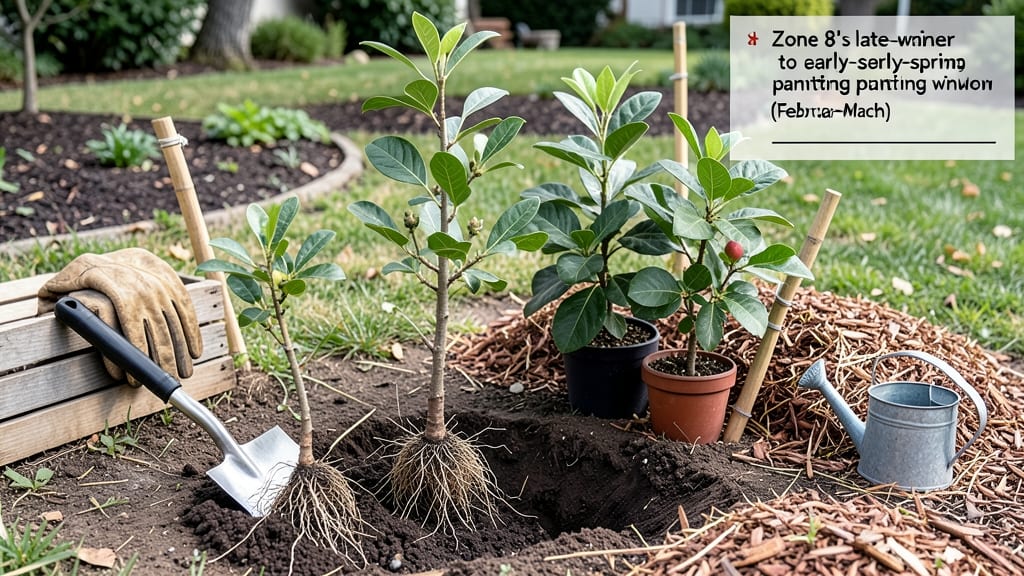
Planting fruit trees in Zone 8 at the wrong time can mean the difference between a thriving orchard and struggling saplings—so getting the timing right is everything. Unlike cooler climates, Zone 8's mild winters and warm springs demand precision, especially when balancing soil warmth with frost risks.
The key window isn't just about months but about soil temperatures hitting that sweet spot of 50-60°F, which typically aligns with late winter to early spring.
I’ve learned the hard way that rushing too early can leave young roots vulnerable to cold snaps, while waiting too long might stunt growth before summer’s heat sets in.
For most 🍎 fruit trees like peaches, plums, and figs, the ideal time falls between February and March, but coastal areas might shift slightly later. Understanding these nuances is what separates a healthy tree from one that barely survives its first year.
What makes this even trickier is that not all fruit trees play by the same rules—citrus, for example, prefers warmer soil and can handle early planting, while stone fruits need that extra chill period.
In this guide, I’ll break down the exact timing for each variety, plus how to prep your soil and avoid common mistakes that derail even the best-laid plans.
Ready to plant with confidence? Let’s dive into the science behind soil warmth, frost-free windows, and the 3 critical steps that’ll set your fruit trees up for success—no guesswork required.

Zone 8 fruit tree planting timeline by soil temperature & frost dates
Timing your fruit tree planting in Zone 8 requires more than just checking a calendar—it’s about reading your soil’s temperature and understanding your local microclimate.
While the last frost date is a starting point, the real magic happens when your soil warms to 50-60°F, signaling roots can establish without stress.
Inland areas like Zone 8b (e.g., Dallas) may plant in late February to early March, while coastal regions like Zone 8a (e.g., San Diego) can start as early as January thanks to milder winters.
The key is balancing soil warmth with frost risk—plant too early, and a late cold snap can stunt roots; too late, and your tree misses critical early growth.
I’ve planted peach trees in both Zone 8a and 8b, and the difference in timing is night-and-day. In my Zone 8b garden in Austin, I wait until mid-March when soil hits 55°F at 4 inches deep.
But in a friend’s coastal Zone 8a yard in Santa Barbara, they plant fig trees in late January—the ocean’s moderating effect means frost is rare. Use a soil thermometer ($10 at garden centers) to avoid guessing.
Pro tip: Check soil temps in the late afternoon for the most accurate reading.
A common mistake is relying solely on last frost dates without accounting for soil temperature.
For example, Zone 8a (e.g., Los Angeles) might have a last frost by February 15, but if your soil is still chilly (below 50°F), roots won’t thrive. Citrus trees, which are popular in Zone 8a, can handle cooler soil, but stone fruits like plums need that 50-60°F window to avoid root rot or cold damage.
Always prioritize soil warmth over air temperature—roots can’t absorb nutrients efficiently in cold soil, no matter how sunny it is.
Here’s how I break down planting windows for Zone 8 subregions, accounting for both coastal and inland differences:
For bare-root trees, which are dormant and more resilient, you can plant as soon as soil is workable—often 4-6 weeks before your last frost.
I’ve successfully planted plum trees in late February in Zone 8b with no issues, but I always wrap the root ball in burlap and water deeply afterward. Container-grown trees, however, need warmer soil (60°F+) because their roots are already active.
In my Zone 8a coastal garden, I hold off on container-grown fig trees until mid-February to give roots time to adjust.
If you’re in a transition zone (e.g., parts of Zone 7b or Zone 9a near Zone 8), err on the side of later planting.
I once planted a peach tree in early February in a Zone 8a microclimate near a cold air pocket, and a late frost in March damaged the new shoots. Since then, I’ve started using frost cloth for the first 2 weeks after planting as a precaution.
It’s a small investment that pays off in healthier root growth.
Another critical factor is chill hours, especially for stone fruits like peaches and plums. Varieties like Elberta peaches need 500-700 chill hours, which Zone 8a coastal areas often don’t get. In these cases, I opt for
Best fruit tree varieties for Zone 8 planting & their ideal timing
Choosing the right fruit tree varieties for Zone 8 means balancing chill hour requirements with heat tolerance. My top picks thrive in this climate, from stone fruits to tropical-inspired options like figs and citrus. Each variety has a specific planting window to maximize root growth before summer heat arrives.
For peach and plum trees, I plant in late winter (February) when soil temps hit 50°F.
These trees need 200-500 chill hours, which Zone 8 typically delivers by March. Container-grown trees can go in slightly later (March) since their roots warm faster. Bare-root varieties, however, must go in before buds swell.
Fig trees are my heat-loving favorites—they handle Zone 8’s summers beautifully. I plant them in early spring (March) or even fall (October) for a second chance.
Their low chill needs (0-200 hours) make them perfect for milder Zone 8 winters. Dwarf varieties like 'Celeste' are ideal for containers, while standard types thrive in-ground.
| Variety | Best Planting Time | Chill Hours Needed | Container Adaptable? | Notes |
|---|---|---|---|---|
| Peach (e.g., 'Elberta') | Late Feb - Early Mar | 400-600 | Yes (dwarf) | Prune in winter; watch for peach leaf curl |
| Plum (e.g., 'Santa Rosa') | Feb - Early Mar | 300-500 | Yes (semi-dwarf) | Thin fruit in spring for larger sizes |
| Fig (e.g., 'Brown Turkey') | Mar or Oct | 0-200 | Yes (any size) | Harvest when skin slips easily |
| Persimmon (e.g., 'Fuyu') | Feb - Mar | 200-400 | No (large roots) | Wait for fruit to soften fully |
| Citrus (e.g., 'Meyer Lemon') | Mar - Apr | 0 | Yes (large pots) | Protect from frost; needs winter chill |
| Pomegranate (e.g., 'Wonderful') | Feb - Mar | 200-300 | Yes (dwarf) | Drought-tolerant once established |
| Loquat (e.g., 'Big Jim') | Mar - Apr | 100-200 | Yes (small trees) | Harvest when fruit turns golden |
| Apricot (e.g., 'Tilton') | Feb - Early Mar | 300-500 | Yes (dwarf) | Prune for airflow; susceptible to brown rot |
Citrus trees like Meyer lemons need March-April planting to avoid spring frosts. I always use large containers (15+ gallons) since Zone 8’s winters can dip below 28°F. Move pots to