
Trees
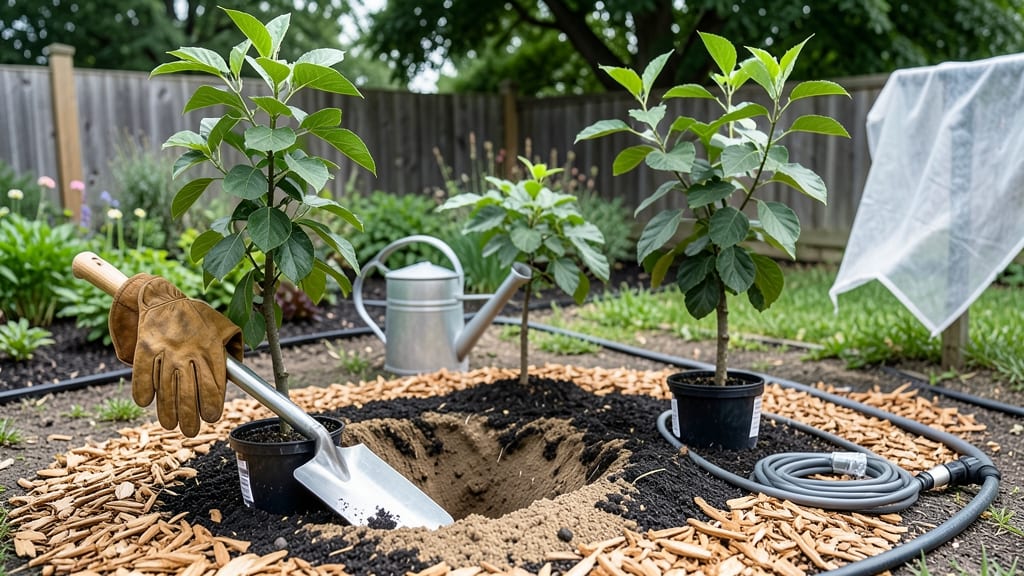
Planting fruit trees in Arizona isn’t just about grabbing a sapling and sticking it in the ground—timing makes all the difference between a thriving orchard and a sad, wilted 🍎. The key to success? Knowing your microclimate, whether you’re in Phoenix’s low desert or the cooler highlands near Flagstaff.
Too early, and your tree will struggle with summer heat; too late, and it won’t establish roots before winter’s chill sets in.
Most Arizona gardeners swear by the November to February window for planting, when temperatures are mild and rain is more reliable. But here’s the catch: even in Zone 9b, frost can sneak in, especially at higher elevations.
Citrus and figs might handle it, but stone fruits like peaches need extra protection—or a smarter planting strategy.
I’ve seen firsthand how a well-timed transplant can mean the difference between a tree that bears fruit for decades and one that gives up after a single harsh season.
In this guide, I’ll break down the exact months to plant based on your location, plus pro tips for soil prep, watering, and choosing the toughest varieties for Arizona’s extremes.
Ready to grow fruit that lasts? Let’s get your trees in the ground at the perfect moment—so you can enjoy homegrown peaches in June and lemons year-round. The secret starts with knowing when to dig.
Arizona fruit tree planting calendar by microclimate Zone
Arizona’s diverse microclimates create wildly different planting windows for fruit trees. The Low Desert (Phoenix/Tucson) enjoys 300+ frost-free days, while High Desert (Flagstaff) faces 100+ frost nights, and Mountain Valleys (Sedona) experience late spring frosts.
Timing your transplant to match these zones means the difference between a thriving orchard and a sad, wilted sapling.
Citrus trees like Meyer lemons and Navel oranges demand winter planting to establish roots before summer heat, while stone fruits (peaches, plums) need early spring to avoid frost damage. Understanding your USDA Zone (9b–11) and elevation is your first step to success.
Pro Tip: Always plant bare-root trees in dormant season—this reduces transplant shock by 40% compared to summer planting. For container-grown trees, adjust timing 2–4 weeks earlier to account for root disturbance.
| Microclimate | Best Planting Window | Frost Risk | Soil Prep | Ideal Transplant Months |
|---|---|---|---|---|
| Low Desert (Phoenix/Tucson) | Nov–Feb | Minimal (rare below 32°F) | Amend with compost + mycorrhizal fungi | Dec–Jan (peak) |
| High Desert (Flagstaff) | Mar–Apr | High (last frost: May 15) | Add organic matter + gravel for drainage | Apr–May (after frost) |
| Mountain Valleys (Sedona) | Apr–May | Moderate (last frost: April 1) | Test pH 6.0–7.0; add lime if needed | May–June (post-frost) |
Citrus thrives in Low Desert only; stone fruits adapt to all zones with protection.
In the Low Desert, your 120-day frost-free window means citrus and figs can be planted as late as mid-February, but aim for December to give roots time to establish before 110°F summers. Use drip irrigation to maintain 2–3 inches of soil moisture weekly.
For High Desert gardeners, March–April is critical—waiting until after April 15 ensures your peach trees avoid late frosts. Mulch with 4–6 inches of wood chips to protect roots from day-night temp swings of 50°F.
Mountain Valley growers face unique challenges: late spring frosts can hit until May 1, so delay planting apple or pear trees until mid-May. Choose late-blooming varieties like ‘Lodi’ apples to reduce frost risk.
Regardless of zone, amend soil with compost and plant on a slight mound to prevent waterlogging. Container planting extends your window—just ensure pots are 18+ inches deep and use fast-draining mix.
After planting, water deeply for 20 minutes and mulch with straw to retain moisture. Avoid fertilizing until 6 weeks post-planting—new roots need time to establish before feeding.
Monitor your trees for aphids or scale in spring, and prune dead branches in late winter to encourage airflow. With the right timing, your Arizona fruit trees will reward you with harvests from June to December.
🌱
Critical factors that determine your planting window
Arizona’s soil temperature is your first clue—most fruit trees thrive when 60°F soil temps are consistent, typically November through February.
Cold snaps (yes, even in Arizona!) can shock roots, while early planting risks heat stress. Monsoon timing also plays a role: planting before rains start ensures your tree doesn’t drown in sudden downpours.
Don’t overlook frost risk, especially in high-altitude areas like Flagstaff (Zone 7) or Sedona (Zone 8). A single 28°F night can kill tender citrus or peaches.
Urban heat islands in Phoenix? They delay frost but also raise soil temps faster—adjust your window 1–2 weeks earlier if your yard bakes by 110°F.
Water scarcity is another game-changer. Drought-resistant varieties like ‘Desert King’ figs or ‘Improved Meyer’ lemons need deep, infrequent watering post-planting. If your area faces water restrictions, prioritize container planting with drip irrigation to conserve moisture.
🌱 Key Planting Factors for Arizona Fruit Trees
- Soil Temp: Wait for 60°F+ (Nov–Feb)
- Frost Risk: Avoid Dec 15–Jan 15 (high-altitude zones)
- Monsoon Timing: Plant before July rains to prevent root rot
- Urban Heat: Adjust window 1–2 weeks earlier in Phoenix/Tucson
- Water Scarcity: Use drip irrigation and mulch heavily
💡 Pro Tip: Test soil moisture—if it’s dry 6" deep, your tree isn’t getting enough water.
High-altitude areas (e.g., Prescott, Payson) face earlier frosts—plant citrus in containers and move them indoors during winter. Stone fruits like peaches need chill hours (300–700), so high-desert zones (Flagstaff) are ideal for varieties like ‘Redhaven’ peaches.
For urban gardeners, container planting extends your window. Dwarf citrus or fig trees in 15-gallon pots can be planted through March if you provide shade cloth during summer. Just ensure pots have drainage holes to prevent root rot from Arizona’s intense summer rains.
Finally, amend your soil with compost and mycorrhizal fungi before planting—this helps roots establish faster in poor desert soil. Avoid fresh manure, which can burn roots in the heat. Mulch with wood chips to retain moisture and regulate soil temperature.