
Plants
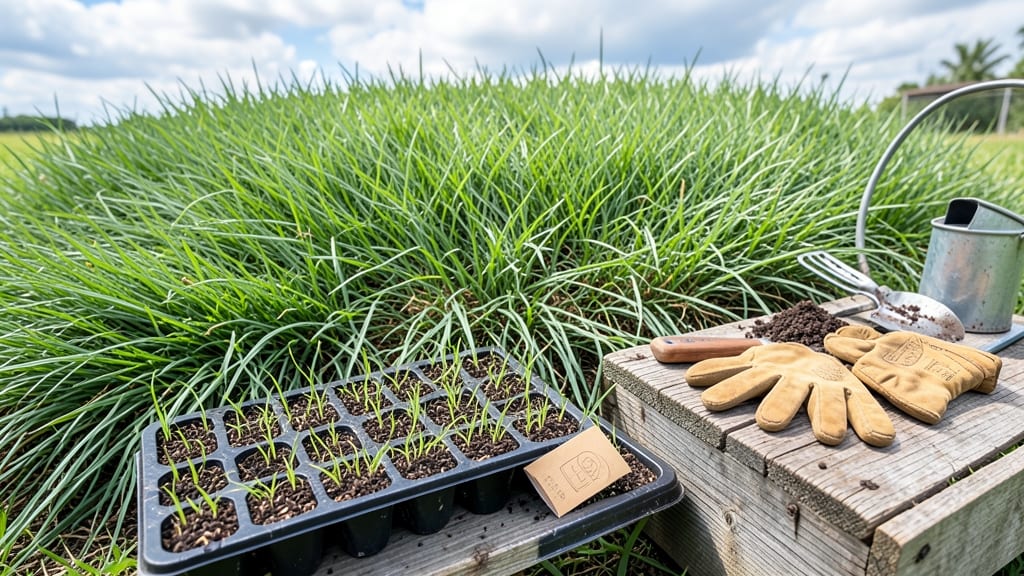
Planting your Bermuda grass seed 🌱 at the wrong time in Arkansas can turn your dream of a thick, heat-resistant lawn into a frustrating gamble—but getting the timing right means the difference between a lush carpet and a patchy disappointment.
Here’s the key: Bermuda thrives when soil temperatures hit 65°F or warmer, which in Arkansas typically means waiting until late April or early May after the last frost. That’s when the real magic happens—seeds germinate faster, roots establish deeper, and your lawn builds the resilience to handle Arkansas summers.
I’ve seen too many gardeners rush the process, only to watch their seed wash away in spring rains or struggle under early heat. The solution? A simple soil thermometer check and patience—because planting too early or too late can leave your lawn vulnerable to weeds, drought, or even winter kill.
Let’s break down the exact windows, soil prep tricks, and common mistakes to avoid so you can plant with confidence and watch your Bermuda grass take over like it’s meant to.
Optimal planting windows for Arkansas: soil temperature & frost-free deadlines
Timing your Bermuda grass seed planting in Arkansas isn't just about months—it's about soil temperature, frost-free deadlines, and understanding your local microclimate. In Arkansas' USDA zones 6-8, these three factors determine whether your seed sprouts into a thick, heat-resistant lawn or struggles to establish.
Let's break down the science behind the perfect planting window.
Bermuda grass thrives when soil temperatures consistently stay above 65°F—this warmth signals the seed to germinate and grow aggressively. In Arkansas, this typically occurs between late April and mid-May for spring plantings, and again in early September to mid-October for fall plantings.
But don't guess—use a soil thermometer to verify readiness before sowing.
Here's the critical rule: Plant when day-time soil temps reach 65°F for 5+ consecutive days. In northern Arkansas (zone 6), this often means waiting until mid-May, while southern Arkansas (zone 8) can start as early as late April.
The difference? Microclimates—your yard's sun exposure, elevation, and proximity to water bodies all shift these deadlines by weeks.
Frost risk is the second timing factor. Arkansas' average last frost date ranges from March 15 in the south to April 15 in the north, but late frosts can linger into May. Planting too early risks seed death from cold snaps, while waiting too long may mean dormant summer heat stalls germination. Aim to plant 2-3 weeks after your last frost for safety.
The third factor is Arkansas' regional microclimates. Cities like Little Rock (zone 7b) and Fort Smith (zone 7a) have distinct planting windows compared to Jonesboro (zone 7a) or El Dorado (zone 8a).
For example, the Arkansas River Valley often warms up 10-14 days earlier than the Ouachita Mountains. Check your local cooperative extension office for hyper-local data.
To test soil readiness at home, use the "squeeze test": Grab a handful of soil—if it crumbles when dry but holds shape when moist, it's ideal. For clay-heavy Arkansas soils, add compost or sand to improve drainage before planting.
Bermuda grass seed needs good soil contact but not compaction, so avoid working the soil when it's too wet.
Here’s how Arkansas’ planting windows compare by zone and season:
Fall plantings in Arkansas offer a second chance for success, especially in southern zones (7b-8a). The goal is to give Bermuda grass 6-8 weeks of warm soil before first frost (typically November 15).
In northern Arkansas (zone 6), limit fall plantings to early September to avoid early cold snaps. Always monitor weekly frost forecasts from the National Weather Service.
Pro tip: Use a seed starter kit with a built-in thermometer to track soil warmth daily. Place it in your yard’s sunniest, most sheltered spot—this is where Bermuda grass will establish fastest. If your soil stays below 65°F
Step-by-step pre-planting prep: Arkansas-specific soil & seedbed requirements
Arkansas’ clay-heavy soils and humid climate demand special prep before planting Bermuda grass seed. Without proper soil adjustments, your seed may struggle to germinate or establish strong roots. The key is creating a loose, well-aerated seedbed with the right moisture and pH balance—all while minimizing weed competition.
First, test your soil’s pH level using a kit from your local Arkansas Cooperative Extension. Bermuda grass thrives in slightly acidic to neutral soil (6.0–7.0 pH).
If your test shows below 6.0, add pelletized lime 2–3 months before planting. For above 7.0, incorporate sulfur or peat moss to lower pH gradually.
🌱 Step-by-Step Arkansas Seedbed Prep
- Step 1: Clear Weeds – Remove existing weeds using a glyphosate herbicide (like Roundup) 2–3 weeks before planting. Arkansas’ summer heat accelerates weed regrowth, so timing is critical.
- Step 2: Loosen Soil – Rent a rototiller to break up clay compaction to a depth of 4–6 inches. Arkansas’ heavy clay can suffocate young Bermuda roots if left untouched.
- Step 3: Amend Soil – Mix in 2–3 inches of compost or peat moss to improve drainage. For sandy patches, add topsoil to retain moisture.
- Step 4: Level & Rake – Use a lawn rake to create a fine, crumbly texture. Bermuda seed is tiny (0.1–0.5 mm), so a smooth surface ensures even contact.
- Step 5: Moisten Seedbed – Water deeply until soil is damp but not soggy (like a wrung-out sponge). Arkansas’ humidity can dry out seedbeds quickly, so monitor moisture daily.
- Step 6: Apply Pre-Emergent (Optional) – If planting in spring, use a pre-emergent herbicide like Dimension to block crabgrass, a common Arkansas weed.
After prepping, lightly rake the seedbed one last time to create a fine, even surface. Bermuda grass seed needs direct soil contact to germinate, so avoid heavy foot traffic.
Arkansas’ spring rains can wash away loose seed, so plan to plant on a dry, calm day or use a seed spreader for even coverage.
For clay-heavy areas, consider adding perlite or vermiculite to improve aeration. These amendments help prevent soil crusting, a common issue in Arkansas that can smother young seedlings. Always water lightly after planting to settle seed into the soil without displacing it.
Finally, mulch lightly with straw to retain moisture and protect seed from bird foraging. Arkansas’ wildlife activity peaks in spring, so take extra precautions if planting near wooded edges or bird feeders.