
Plants
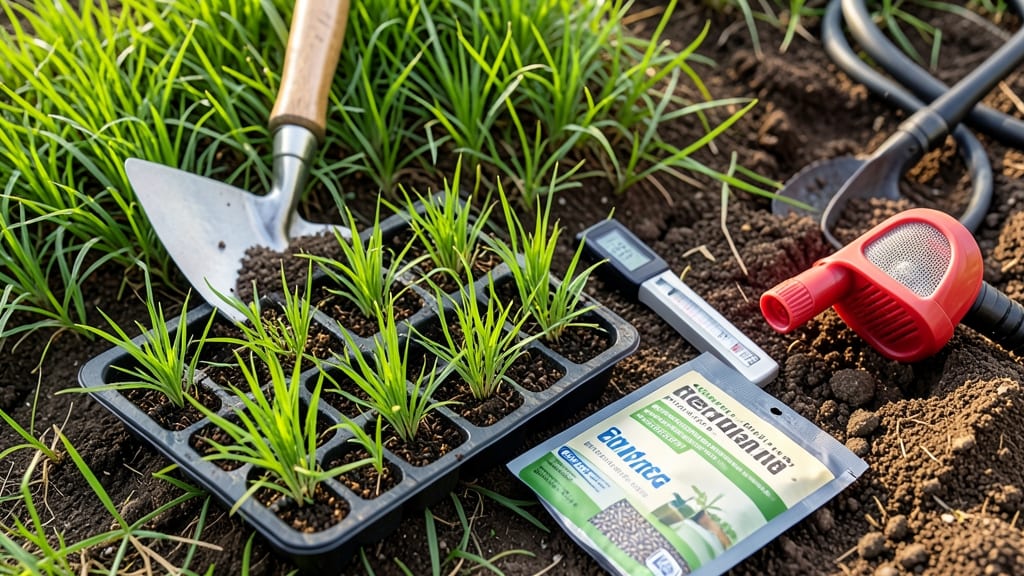
Planting Bermuda Grass 🌱 at the wrong time in the South can turn your lawn dreams into a frustrating gamble—especially when soil warmth and heat zones dictate success.
If you've ever watched your new seeds sprout only to wither under unexpected heat or rain, you know timing isn't just important—it's everything.
The secret to fast establishment lies in waiting until the soil reaches 65-75°F, which typically lands in late spring to early summer (April-June) across USDA Zones 7b-10a. But here's the catch: coastal areas like Florida may need to plant earlier than inland Texas, where heat arrives later.
I'll break down exactly when to start based on your microclimate so you avoid costly mistakes.
Beyond just dates, you'll discover how to prep your soil for rapid germination—because even the right timing won't help if your lawn struggles to take hold. We'll cover everything from testing soil temperature to adjusting for late springs, so your Bermuda Grass doesn't just survive but thrives from day one.
Whether you're a beginner or a seasoned gardener, these insights will help you skip the trial-and-error phase. Let's get your lawn growing faster and stronger than ever before—no guesswork required.
Best planting windows for Bermuda grass by Southern heat Zones
If you're dreaming of a lush, drought-resistant Bermuda grass lawn in the South, timing your planting is the secret weapon. Unlike cool-season grasses, Bermuda thrives in heat and sun, but planting too early or late can leave your yard patchy or struggling.
The key? Waiting until the soil warms to 65-75°F (18-24°C)—when the ground is ready to fuel rapid root growth.
Southern climates vary wildly—from humid Florida coasts to dry Texas plains—so I’ve broken down the best planting windows by USDA Heat Zones 7-10.
Whether you're in Zone 8’s mild winters or Zone 10’s year-round warmth, these dates will help you avoid common mistakes like frost damage or slow germination.
In Zone 7b, where frosts linger until mid-March, I recommend waiting until late April to plant. The soil needs to stay consistently above 65°F for at least a week to avoid stunted growth.
For Zone 8a, you can push planting to mid-April, but monitor local weather—coastal areas like Savannah, GA, may see earlier warm-ups.
If you're in Zone 9a or 10a, you have more flexibility. South Florida’s mild winters mean you can plant as early as January, but I’d still aim for March to avoid spring showers that can smother seeds.
In Texas’s Rio Grande Valley (Zone 10a), Bermuda grass grows year-round, but early spring is ideal for full establishment before summer heat peaks.
Pro tip: Use a soil thermometer to confirm warmth—Bermuda grass won’t germinate below 65°F. If your soil is still cool in May, consider warming it with black plastic mulch for 2–3 weeks before planting. This trick has helped me establish lawns in late-spring zones like North Carolina’s Piedmont.
Regional microclimates matter too. For example, coastal Texas (e.g., Corpus Christi) can plant earlier than inland areas due to moderating ocean breezes, while Florida’s interior (e.g., Orlando) may need to delay until May to avoid fungal diseases in humid conditions.
Always check local frost dates and adjust by 2–4 weeks if your area runs colder.
One common mistake? Planting Bermuda grass in fall. While it’s drought-tolerant, it won’t survive Southern winters in Zones 7–9. Instead, focus on spring or early summer planting for the fastest, most robust establishment. In Zone 10a, you can even
How to check soil temperature & prepare for fast establishment
Bermuda grass thrives in warm soil, but planting too soon in cool Southern springs can stall growth—or worse, kill your seeds. The key to fast establishment is waiting for soil to hit 65-75°F consistently. Without this, your grass may linger as sparse patches or fail entirely.
Even in Zone 10, late April showers can keep soil too cold. I’ve seen gardeners rush planting in March only to watch their seeds rot. Patience here means thicker, greener coverage by summer. Let’s fix that with a simple soil temperature test and prep steps.
⚠️ callout warning ⚠️
Cold soil (<65°F) slows germination by 30-50%. Seeds may sprout but stay weak, leaving them vulnerable to fungus and pests. Use a soil thermometer (only $10) to check depth—2 inches down is critical for Bermuda grass roots. If temps dip below 60°F, wait 1-2 weeks.
Start by testing your soil temperature at 2-inch depth—this mimics where seeds will germinate. Use a digital soil thermometer (cheaper than you think!) for accuracy. Morning readings between 10 AM and noon give the most reliable data.
If your soil is below 65°F, hold off on planting—even if the air feels warm.
Once your soil hits the sweet spot (65-75°F), prep the area by removing debris and loosening compacted soil with a rake. Bermuda grass loves well-draining soil, so add compost or sand if your yard feels heavy.
A light mulch layer (straw or pine needles) helps retain moisture without smothering new shoots.
For faster germination, water deeply before planting to settle the soil. After seeding, keep the surface consistently moist (not soggy) with daily light watering until sprouts appear. A lightweight mulch (like grass clippings) locks in moisture and reduces evaporation—critical in Southern heat.
Pro tip: If your spring is unusually late, consider cover crops like clover in early spring. They warm the soil faster and add organic matter.
Just remove them 2 weeks before planting Bermuda grass. This trick has helped me shave 3 weeks off my establishment time in Zone 9.