
Plants
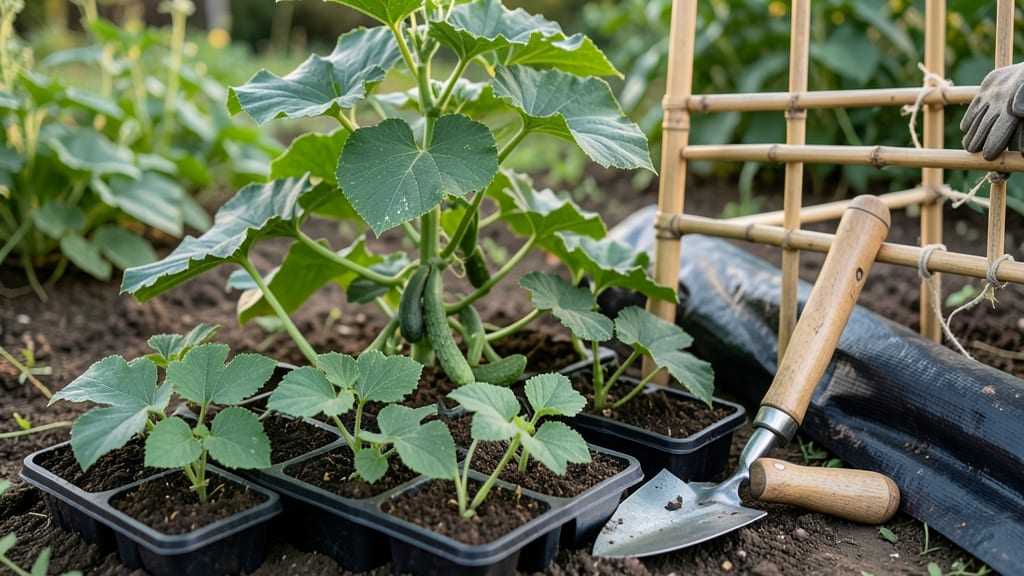
Planting cucumbers in South Florida might seem like a no-brainer with its frost-free skies, but timing them wrong can turn your 🥒 harvest into a bitter disappointment.
The key isn’t just avoiding frost—it’s mastering the heat zones that stretch from Miami to Naples, where summer’s scorching sun and humidity demand a different approach than cooler climates.
Most gardeners here assume "anytime is good," but cucumbers thrive best when planted during those sweet spots between spring’s gentle warmth and fall’s cooling breeze. Skip the mid-summer rush, and you’ll dodge heat stress and pest swarms that turn vines into a sad, wilted mess.
I’ve learned the hard way—let me save you the trial-and-error.
What you’ll discover here isn’t just a calendar—it’s a strategy for year-round success, whether you’re sowing seeds in sandy soil or cramming containers onto a balcony.
We’ll cover the exact months to plant, how to prep soil for Florida’s unique challenges, and even how to cheat the summer heat with shade tricks that keep your cucumbers crisp and productive.
Ready to grow cucumbers that outperform the grocery store’s? Let’s dive into the heat-zone timeline that’ll have you harvesting like a pro—no more guesswork, just flawless timing for South Florida’s climate.
South Florida heat zone planting calendar: best months for cucumber success
South Florida’s heat zones 9-11 create a unique growing environment where cucumbers thrive year-round—but only if planted at the right time. Unlike northern climates, we don’t have to worry about frost, but extreme summer heat (above 90°F) can stress plants, leading to bitter fruit or poor yields.
The key is planting during cooler transitions when soil temperatures stay between 60°F-75°F for optimal germination and growth.
Miami’s coastal microclimate stays slightly cooler than inland areas like Naples, where higher humidity and intense afternoon sun demand extra care. Whether you’re growing in sandy soil or containers, timing your plantings to avoid peak summer heat will give you sweeter cucumbers and healthier vines.
Let’s break down the best months for both direct sowing and transplanting in each zone.
Summary-Table for Cucumber Planting in South Florida:
For heat zone 9 (Miami and coastal areas), the ideal planting window is February through March and again in September to October. These months offer mild temperatures and lower humidity, reducing the risk of powdery mildew and cucumber beetles.
Inland areas like heat zone 10 (Fort Lauderdale) can handle slightly earlier plantings in January, but avoid April unless you’re using shade cloth.
Heat zone 11 (Naples and Everglades) is the most challenging due to intense summer sun. Here, cucumbers thrive best when planted in December through January or July to August—but only with 30-50% shade cloth to prevent bolting (premature flowering). Even then, yields may be 20-30% smaller than spring/fall plantings. If you’re growing in containers, opt for bush varieties like ‘Bush Champion’ to avoid overcrowding in small spaces.
Direct sowing is best for spring plantings (Feb–Mar) when soil is still cool. For fall, transplanting 4-6 week-old seedlings gives them a head start before hurricane season arrives. Always harden off seedlings for 3–5 days by gradually exposing them to outdoor conditions to avoid transplant shock.
Pro tip: Soak seedlings in compost tea 24 hours before transplanting to boost root health.
In summer months (June–August), cucumbers can still grow but require extra care. Use drip irrigation to keep leaves dry and reduce fungal diseases. Mulch with straw or black plastic to retain moisture and block weeds.
If planting in July, choose heat-tolerant varieties like ‘Straight Eight’ or ‘Sweet Success,’ which handle 90°F+ temperatures better than standard types. Always harvest frequently to encourage more production.
Microclimates play a huge role in South Florida. Coastal areas like Key West stay 5-10°F cooler than inland Naples due to ocean breezes, allowing for slightly earlier plantings. Conversely, urban heat islands in Miami can make May plantings risky without shade.
Pay attention to your specific local weather patterns—tools like the UF/IFAS Extension website provide hyperlocal frost-free dates and heat advisories.
One common mistake is assuming cucumbers can handle any summer heat. While they’re tropical plants, prolonged exposure to above 95°F causes bitter fruit and stunted growth.
If you must plant in summer, use shade cloth and water deeply twice daily. For container gardeners, choose self-watering pots and <
How to avoid common cucumber planting mistakes in South Florida’s climate
Planting cucumbers in South Florida’s humid, sandy soil and year-round heat requires precision. One wrong move—like planting too early or ignoring soil prep—and your vines will suffer from heat stress, poor pollination, or nutrient deficiencies.
The key is timing: avoid the peak summer heat (June–August) and the late-fall pest surge (November–December).
Even experienced gardeners in South Florida make these mistakes: skipping soil amendments for sandy soil, crowding plants too closely, or ignoring companion planting to deter pests. The result? Bitter cucumbers, stunted growth, or even total crop failure. Let’s fix that with science-backed adjustments for Florida’s unique climate.
⚠️ Critical Mistake: Planting at the Wrong Time
Too Early (Dec–Jan): Cool nights (below 60°F) slow germination, and sandy soil drains nutrients too fast. Seedlings may rot before sprouting.
Too Late (June–July): 90°F+ days cause cucumbers to bolt (flower prematurely) or develop bitter fruit. Even shade cloth won’t fully protect vines.
Solution: Aim for February–April (spring) or September–October (fall) when temps hover between 70–85°F. For summer harvests, use shade cloth (30–50%) and drip irrigation.
South Florida’s sandy soil is another silent killer. Without amendments, cucumbers struggle to absorb water and nutrients, leading to yellowing leaves and weak vines. Test your soil’s pH—ideal is 6.0–6.8.
If it’s too acidic (below 6.0), mix in lime; if alkaline (above 7.0), add sulfur or peat moss.
Spacing is often overlooked but critical. Cucumber vines need 2–3 feet of space to sprawl (or 1–2 feet for bush varieties). Crowding invites powdery mildew and cucumber beetles, two of Florida’s worst pests. Use trellises or cages to save space and improve airflow—this alone can double your yield.
Companion planting is your secret weapon against pests. Pair cucumbers with nasturtiums (repel aphids), marigolds (deter beetles), or beans (fix nitrogen in soil). Avoid planting near potatoes or sage, which stunt cucumber growth. For container gardens, mix in basil or dill to improve flavor and health.
Watch for these stress signs: crispy leaf edges (underwatering), yellowing between veins (overwatering or nutrient deficiency), or white powder (powdery mildew). Act fast—prune affected leaves immediately and apply neem oil or copper fungicide if needed. In Florida’s heat, morning watering is non-negotiable to prevent fungal diseases.
Pro tip: Mulch with straw or wood chips to retain moisture and block weeds. This is especially crucial in summer’s intense sun, where soil can dry out in hours. With these adjustments, your cucumbers will thrive year-round—no more bitter surprises or wilted vines! 🥒