
Plants
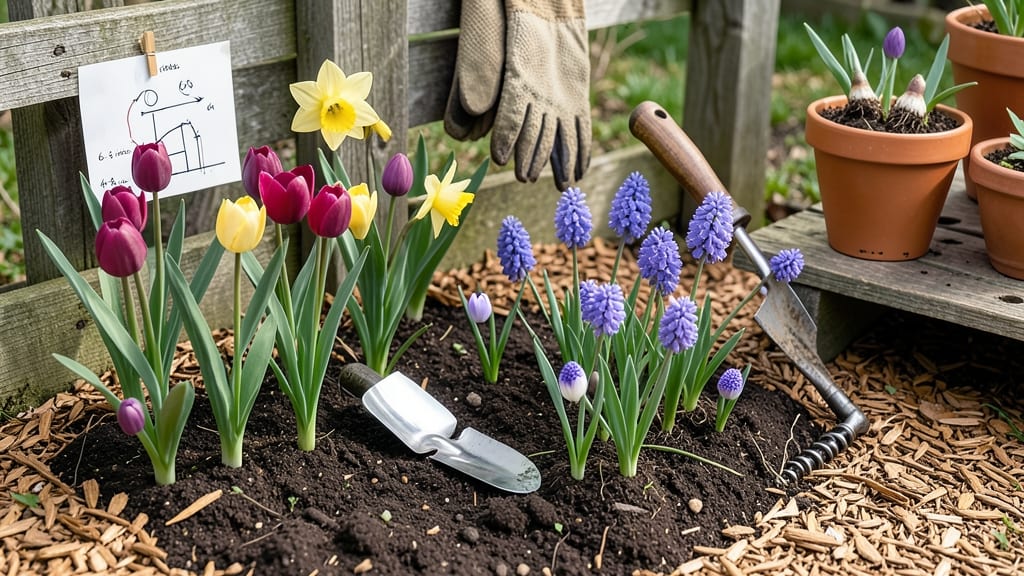
Planting bulbs in Indiana at the wrong time can mean frozen soil or early freezes stealing your spring blooms before they even begin.
The 6-week window between late September and early November is your golden opportunity to get those daffodils, tulips, and crocuses rooted deep enough to survive Indiana’s 5b-6b winters—but miss it, and you’ll be left with a garden full of disappointment.
I’ve learned the hard way that timing isn’t just about dates—it’s about soil temperature, frost risk, and even how your local microclimate behaves.
Whether you’re in northern Indiana where winters bite harder or southern Indiana where frosts arrive later, knowing the exact cues (like leaf drop and soil readiness) makes all the difference.
Let me walk you through the step-by-step secrets to planting bulbs so they’ll push through the snow and greet you with color next spring.
From choosing the right mulch to adjusting depth for clay-heavy Indiana soil, this isn’t just about throwing bulbs in the ground and hoping for the best.
You’ll discover how to avoid common mistakes—like planting too early in soggy soil or too late when the ground freezes solid—and why some bulbs (like snowdrops) are tougher than others in our harsh winters. Ready to turn your garden into a springtime showstopper? Let’s get started.
We’ll also cover how to use Purdue Extension’s frost data to fine-tune your planting schedule, plus a quick checklist to ensure your bulbs are snug and safe before the first frost hits.
Trust me, once you master these Indiana-specific tricks, your neighbors will be asking for your secrets—and your garden will be the first to bloom.
Indiana’s ideal fall bulb planting window: exact dates by Zone
Timing is everything when planting spring-flowering bulbs in Indiana. The 6-week window between late September and early November gives bulbs time to root before winter—critical for surviving Indiana’s USDA Zones 5b-6b freezes. Plant too early, and roots won’t establish; too late, and frost locks them out of the soil.
Northern Indiana (Zone 5b) faces earlier hard frosts (mid-October), while southern Indiana (Zone 6b) can extend planting until early November. Soil temperatures below 50°F signal it’s time to stop—use a soil thermometer to track progress. Aim for 40-50°F soil at planting depth (6-8 inches).
Here’s your Indiana-specific planting timeline, adjusted for micro-climates like urban heat islands or lake-effect cooling near Michigan:
| Zone & Region | Optimal Planting Window | Soil Temp Threshold | Key Landmark | Frost Risk |
|---|---|---|---|---|
| Northern Indiana (Zone 5b) | Late September – Mid-October | 45–50°F | After goldenrod blooms fade | High risk after Oct 15 |
| Central Indiana (Zone 5b/6a) | Mid-September – Late October | 40–50°F | When maple leaves turn yellow | Moderate risk after Oct 22 |
| Southern Indiana (Zone 6b) | Early October – Early November | 40–45°F | After aster flowers bloom | Low risk until Nov 5 |
| Urban Heat Islands (e.g., Indy) | Late September – Mid-November | 38–45°F | When night temps stay above 40°F | Delayed frost risk |
For hardy bulbs like crocuses and snowdrops, push the window to early November—they tolerate colder soils. Tulips and hyacinths, however, need 6-8 weeks of root growth before frost, so plant them by mid-October in Zone 5b.
Use Purdue Extension’s frost maps to fine-tune dates—Indiana’s micro-climates can shift planting windows by 2-3 weeks. For example, Lake County near Michigan freezes earlier than Vanderburgh County near the Ohio border.
Pro tip: Test soil moisture before planting—bulbs rot in soggy soil. If rains delay planting, cover bulbs with straw mulch (3 inches) to insulate roots until soil warms in spring. This buys you 2-3 extra weeks without risking frost damage.
Miss the window? Spring planting is an option for tender bulbs like dahlias, but spring-flowering bulbs (daffodils, tulips) won’t bloom if planted after January 1. Prioritize fall planting for zero frost survival!
🌱
5 Signs your Indiana soil is ready for bulb planting (before it’s too late)
Fall’s fleeting window for bulb planting in Indiana demands precision. Plant too early, and your tulips or daffodils might rot in soggy soil. Wait too long, and frost can damage tender roots. The key? Watching for these 5 soil-ready signs before your bulbs hit the ground.
Indiana’s clay-heavy soils and unpredictable weather add another layer of challenge. Unlike sandy soils, clay holds moisture longer, delaying planting. But with the right cues—like soil temperature and leaf drop timing—you can outsmart Mother Nature. Here’s how to tell when your garden is truly ready.
🌱 Your Indiana Soil Is Ready When...
- 🌡️ Soil temp drops to 50–60°F (use a soil thermometer!)—ideal for root growth before frost.
- 🍂 Daylight shortens, triggering leaf drop in nearby trees (aim for 6 weeks before first frost).
- 💧 Moisture levels stabilize—soil should feel damp but not waterlogged (clay soils need extra drainage).
- 🌱 Perennials like chrysanthemums bloom and fade, signaling fall’s peak for bulb planting.
- ☀️ Sunlight weakens—bulbs need 6+ hours of sun but tolerate cooler temps as roots establish.
💡 Pro Tip: In northern Indiana, prioritize soil temp over calendar dates—wait until mid-October if early frosts loom.
Don’t let late rains or early cold snaps throw you off. If your soil feels too wet (stick your finger in—it should resist pressure), wait 3–5 days.
For clay soils, mix in compost or sand to improve drainage before planting. Even hyacinths, which tolerate cooler temps, need well-draining soil to avoid rot.
Timing isn’t just about the calendar—it’s about the soil’s story. A soil thermometer ($10 at garden centers) is your best friend. Plant when temps hover around 60°F during the day and 40°F at night.
This balance lets roots grow without freezing. In southern Indiana, you might squeeze in planting until early November, but northern zones should halt by mid-October.
Watch for leaf drop in maples or oaks—this natural clock tells you fall is advancing. Pair it with soil moisture tests: dig a 6-inch hole and check for dampness. If it’s bone-dry, water deeply 24 hours before planting. Overwatering now can drown bulbs before winter sets in.
Miss these signs, and you might end up with frost-damaged bulbs or moldy soil. But nail them, and your spring blooms will reward you with vibrant color and zero guesswork. Grab your gloves—Indiana’s bulb-planting window closes faster than you think! 🌷