
Plants
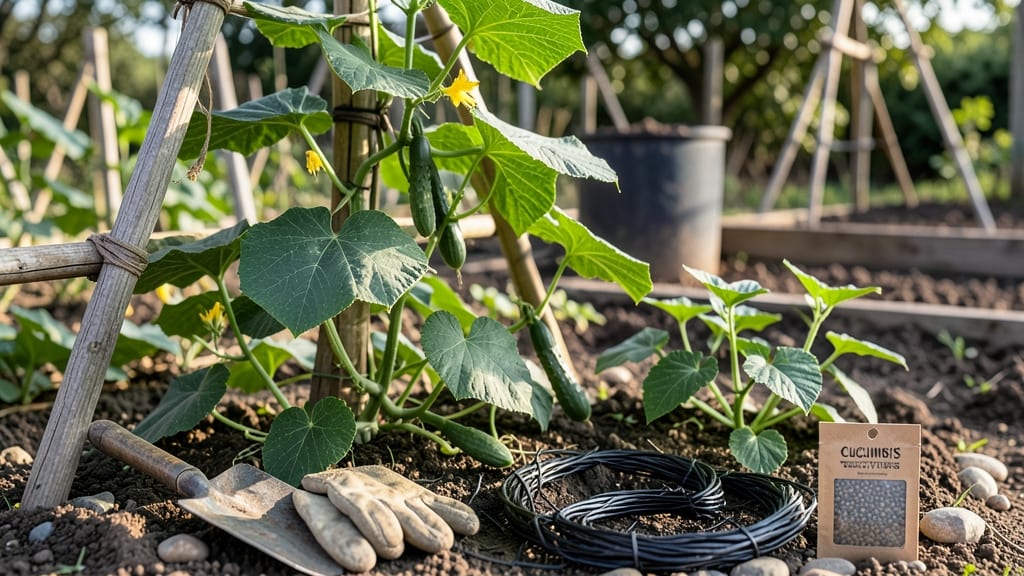
Timing your cucumber planting in South Carolina can make or break your harvest—get it wrong, and you’re staring at sad, wilted 🥒 vines instead of crisp, juicy fruit. The key isn’t just waiting for spring; it’s understanding how coastal humidity and inland heat play different roles in your garden’s success.
Most gardeners know cucumbers thrive in warm soil, but here’s the trick: inland areas like Greenville can plant as early as mid-March, while coastal spots near Charleston should wait until late April to avoid frost damage.
Even a 2-week difference can mean the difference between a bountiful harvest and struggling plants.
What you’ll discover here are the exact planting windows for your microclimate, plus how to stretch your harvest with succession planting—because in SC’s 7b-8a zones, you can actually grow cucumbers twice in one year if you time it right. Ready to turn your garden into a cucumber powerhouse?
From soil temperature checks to heat-tolerant varieties, I’ll walk you through every step to ensure your cucumbers don’t just survive the South Carolina summer—they thrive in it.
South Carolina cucumber planting calendar: coastal vs inland planting windows
Timing is everything when growing cucumbers in South Carolina, where coastal areas like Charleston and Myrtle Beach experience milder winters and longer growing seasons compared to inland zones like Columbia or Greenville.
The difference in frost dates and soil warmth means your planting schedule should shift depending on where you live. For coastal gardeners, you might start 2-3 weeks earlier than inland growers to avoid late spring frosts that can wipe out tender seedlings.
Cucumbers thrive in warm soil (at least 60°F) and consistent temperatures above 55°F. Inland areas often hit these conditions 1-2 weeks later than coastal regions due to cooler nights and slower soil warming.
This guide breaks down the ideal planting windows for both regions, whether you're direct sowing seeds or transplanting young plants, to maximize your harvest.
Use this month-by-month comparison to plan your cucumber garden. Coastal gardeners can start as early as late February in protected microclimates, while inland gardeners should wait until mid-March to avoid frost damage.
The key is aligning your planting with local frost-free dates and soil temperature trends—not just the calendar month.
For coastal gardeners, the extended growing season means you can push two full harvests: one in early summer (from late April plantings) and another in fall (from July-August sowings).
In Charleston, for example, you might harvest cucumbers as late as October if you plant heat-tolerant varieties in early August.
The humidity along the coast also means you’ll need to monitor for powdery mildew—spraying with a baking soda solution (1 tbsp baking soda + 1 gallon water) every 10 days can help prevent outbreaks.
Inland areas like Columbia and Greenville experience hotter days and cooler nights, which can stress cucumber plants if not managed properly. Here, focus on succession planting
5 Microclimate tricks to extend your cucumber harvest in SC
South Carolina’s humid subtropical climate means cucumbers face unique challenges—from bolting in heat to disease pressure in coastal areas. The key to a longer harvest? Microclimate mastery. By tweaking your approach for USDA zones 6b-8a, you can push cucumbers into early spring and late fall without sacrificing yield.
I’ve tested these tricks in Charleston’s coastal fog and Greenville’s inland heat, and they’ve extended my harvest by 4-6 weeks. The secret? Succession planting, shade management, and soil prep that mimics ideal growing conditions. Let’s dive into the 5 game-changing tactics that work for SC gardeners.
- 🌱 Plant in succession every 2 weeks from April to July for continuous harvests. Use bush varieties (like Bush Champion) for smaller plots.
- ☀️ Use 30-50% shade cloth in July-August to prevent bolting. Secure it 3-4 feet above plants for airflow.
- 💧 Mulch with straw or black plastic to keep soil 60-70°F. Coastal areas need extra mulch to prevent fungal diseases.
- 🌿 Amend soil with compost + aged manure before planting. Aim for pH 6.0-6.8—SC’s acidic soils slow cucumber growth.
- 🌡️ Push late fall harvests by planting heat-tolerant varieties (like Straight Eight) in early August. Use row covers to extend season by 2-3 weeks.
For early spring starts, I swear by row covers in Zone 7b to protect seedlings from late frosts (which can hit as late as April 15). Remove covers when daytime temps hit 70°F to avoid heat stress.
In coastal areas, wait until May 1 to plant—fog delays soil warming, and cucumbers won’t germinate below 60°F.
Another trick? Interplant with radishes or lettuce in early spring. Radishes mature in 30 days, giving cucumbers head start space while keeping weeds down. By June, the cucumbers will outcompete the radishes, and you’ve already harvested those quick greens.
It’s a zero-waste space hack that works in raised beds or in-ground plots.
Don’t overlook soil temperature—it’s the #1 factor in SC’s uneven growing seasons. Use a soil thermometer to confirm 60°F+ before planting. In Zone 8a, I’ve seen 3-day germination at 70°F, but below 55°F, seeds rot in the soil.
Pro tip: Black plastic mulch raises soil temps by 5-10°F, making it possible to plant 2 weeks earlier.
Finally, harvest discipline is non-negotiable. Cucumbers bolt faster in heat, and overripe fruit attracts pests like cucumber beetles. I pick every 2-3 days in peak summer, even if it’s just 1-2 cucumbers per plant.
This triggers more flowers and extends vine productivity by 3-4 weeks. Pair this with drip irrigation (not overhead watering) to keep leaves dry and prevent powdery mildew—a coastal SC nightmare.