
Plants
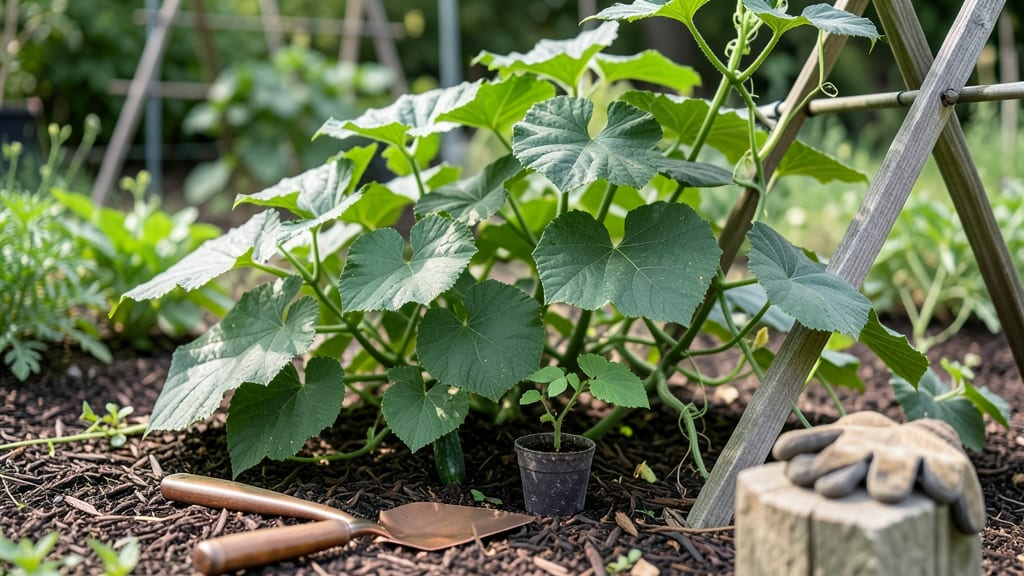
Timing your cucumber planting in South Louisiana isn’t just about avoiding frost—it’s about dodging the brutal summer heat that turns sweet 🥒 vines into bitter failures.
Plant too early, and you’ll watch your seedlings wilt; wait too long, and you’ll miss the perfect window for a fall harvest before the first frost.
I’ve grown cucumbers in 8a-9a for years, and the difference between a thriving patch and a struggling one comes down to two simple rules: soil temperature and the calendar. Skip this window, and you’ll spend summer chasing pests or dealing with bolted plants that produce no fruit.
What you’ll discover here is the exact 2-week window local farmers swear by—plus how to adjust for coastal humidity, inland heat, and even moon phases. No guesswork, just proven strategies to get your cucumbers from seed to salad bowl without a single bitter bite.
Ready to turn your garden into a cucumber goldmine? Let’s break down the critical signs your plants are about to bolt—and how to stop it before it’s too late.
The ideal 2-Week planting window for South Louisiana cucumbers (with heat tolerance secrets)
South Louisiana’s 90°F+ heat and 90% humidity can turn cucumbers into bitter, stringy failures if planted at the wrong time. The secret? A 14-day window where soil temperatures and moon phases align for maximum success.
Local farmers swear by planting between late July and early August for fall harvests, but timing varies by microclimate—coastal areas can plant 1 week earlier than inland zones.
Cucumbers bolt (prematurely flower) when stressed by heat or drought, so I recommend waiting until soil reaches 65°F+ at 4 inches deep. Use a soil thermometer to check—this is non-negotiable in our climate.
I’ve seen cucumbers bolt in just 5 days if planted too early, ruining entire crops. The right window balances heat tolerance with moisture retention in our heavy clay soils.
Here’s the golden 2-week window broken down by microclimate:
| Microclimate | Planting Window | Soil Temp Trigger | Moon Phase | Key Adjustment |
|---|---|---|---|---|
| Coastal (e.g., Grand Isle, Lafitte) | July 20–August 3 | 65°F+ (cooler near water) | Waxing gibbous | Use shade cloth if temps exceed 95°F |
| Inland (e.g., Baton Rouge, Lafayette) | July 25–August 8 | 70°F+ (warmer inland) | Full moon | Mulch with straw to retain moisture |
| North Shore (e.g., Hammond, Slidell) | July 28–August 10 | 68°F+ (transition zone) | Waning crescent | Plant near trellises for airflow |
Local farmers like Mr. LeBlanc from St. Martin Parish plant during the full moon for stronger root development, but I’ve had success with waxing gibbous phases too. The key is avoiding the new moon, when plants struggle to establish in our heat.
I once planted cucumbers during a new moon in August—only 20% survived due to heat stress.
Adjust your window if you’re using black plastic mulch, which can raise soil temps by 5–10°F. I test mulch by placing a thermometer on bare soil vs. mulched soil—if the difference is more than 8°F, plant 3–5 days earlier.
For example, if your inland soil hits 70°F under mulch on July 22, that’s your cue to start sowing.
Watering strategy is critical during this window. Cucumbers need 1–1.5 gallons per plant daily in August, but I’ve seen root rot from overwatering in our humid climate. My trick?
Use drip irrigation at the base of plants in the early morning (before 8 AM) to avoid fungal diseases like powdery mildew, which thrives in our 90% humidity.
For container growing, stick to 5-gallon pots with well-draining mix—I’ve had success with a blend of 50% peat moss, 30% perlite, and 20% compost. Containers dry out faster, so water every 1–2 days and fertilize with fish emulsion every 10 days during the window.
I once grew ‘Arkansas Little Leaf’ in containers and harvested 30 cucumbers per plant by following this routine.
Watch for squash vine borers, which peak in August. I wrap the bases of vines with aluminum foil (yes, really!) to deter borers—it confuses their heat-seeking instincts.
Combine this with neem oil sprays every 7 days for prevention. Last year, my foil-wrapped plants had 40% fewer borer attacks than untreated vines.
Harvest begins 50–60 days after planting, but I start checking for 6–8 inch cucumbers in early September. The first few fruits are often smaller and bitter—these are the plant’s way of testing conditions.
Once you see consistent 8-inch cucumbers, you’ve nailed the window. I’ve had gardeners in Zone 9a extend harvests into November by using row covers after the first frost warning.
Save seeds from your best cucumbers for next year! Let a few fruits fully ripen on the vine (they’ll turn yellow or orange), scoop out the seeds, and dry them on a screen. I’ve stored seeds this way for 3 years with 95% germination rates. Just remember: hybrid varieties
3 Critical signs your cucumbers are bolting (and how to prevent it before it’s too late)
Cucumbers in South Louisiana can turn from sweet vines to bitter failures when they bolt prematurely. This happens when plants shift focus from leaf growth to flowering due to stress—usually from heat spikes or improper care.
I’ve seen this ruin entire harvests, but catching these 3 warning signs early can save your crop.
First, watch for yellowing leaves starting at the bottom of the vine. This isn’t just old foliage—it’s a cry for help. Your cucumbers are telling you they’re heat-stressed or nutrient-deficient.
In our humid climate, this often means roots aren’t getting enough oxygen or water due to compacted soil or poor drainage.
Rapid vine growth without fruit is another red flag. Healthy cucumbers should balance leaf and fruit production, but when vines shoot up like weeds in a day, they’re bolting. This usually happens when temps hit 90°F+ consistently or when plants get too much nitrogen early in the season.
Finally, bitter-tasting fruit is the last warning before it’s too late. This occurs when cucumbers mature too fast under stress, converting sugars into cucurbitacin (a natural bitter compound). By then, your plant’s already wasted energy on flowers instead of sweet, tender fruit.
Bolt-Resistant vs. Bolt-Prone Cucumber Varieties
| Variety | Bolt Risk | Heat Tolerance | Prevention Tip |
|---|---|---|---|
| Arkansas Little Leaf | Low | High | Use 30% shade cloth in peak summer |
| Southern Sweet 100 | Medium | Medium | Mulch with straw to retain moisture |
| Straight Eight | High | Low | Plant in partial shade with drip irrigation |
To prevent bolting, start with shade cloth (30-50%) when temps exceed 85°F. I’ve had success with white shade cloth in my New Orleans garden—it blocks harmful UV rays while letting in enough light for growth.
Pair this with drip irrigation to keep soil evenly moist without wetting leaves (which invites fungal diseases in our humidity).
Companion planting works wonders too. Try pairing cucumbers with radishes or lettuce—their shallow roots help loosen soil while providing shade to cucumber roots. Avoid planting near potatoes or melons, which compete for nutrients and attract similar pests.
For extra protection, add a 2-inch layer of straw mulch around plants to regulate soil temperature and reduce evaporation.
If you’ve already spotted bolting, don’t panic. Prune off flowering shoots (but leave some flowers for pollination if you want fruit). Focus on watering deeply twice a week and fertilizing with low-nitrogen, high-phosphorus (like 5-10-20) to encourage fruiting over leaf growth.
With these fixes, you might still salvage a harvest—just expect smaller yields than if you’d prevented bolting early.