
Plants
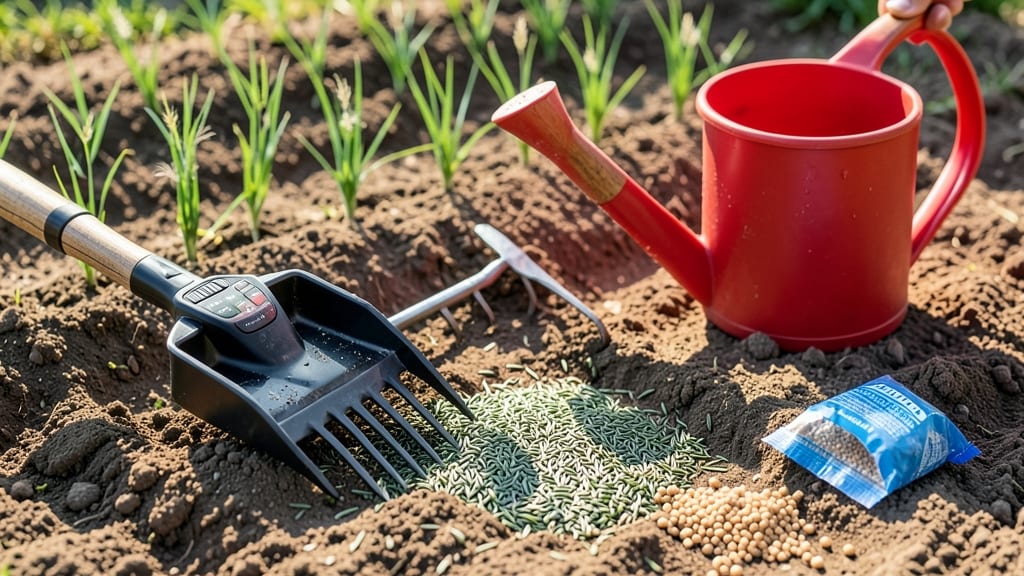
Planting grass seed at the wrong time in spring can leave you staring at bare patches all summer—so getting the timing right is the key to that lush 🌱 lawn you dream of.
The secret lies in waiting until soil temperatures hit 60°F (15°C) and the last frost date is safely behind you, but many gardeners still rush the process.
In Zone 6a, where I live, that means aiming for early April—about 4-6 weeks before the average last frost of April 15. But if you're in a warmer region, you might start as early as February, while colder climates could wait until May.
The right timing ensures your seeds germinate quickly and avoid frost damage.
I've learned the hard way that planting too early can mean wasted seed and stunted growth, while waiting too long risks weeds taking over. The solution? Test your soil temperature with a simple thermometer and prepare your lawn properly—loosening the soil, controlling weeds, and keeping it consistently moist.
Let me walk you through exactly how to time it perfectly for your climate, plus the 3 biggest mistakes to avoid. By the end, you'll know exactly when to grab that seed bag and get planting for a lawn that'll make your neighbors jealous.
Ideal soil temperature for planting grass seed in spring
Getting your grass seed timing right in spring isn’t just about avoiding frost—it’s about soil temperature. Seeds need warmth to germinate, but planting too early in cold soil can leave them dormant or even rot.
The key is understanding the optimal soil temperature ranges for your grass type and how to check your soil’s readiness.
Most cool-season grasses (like Kentucky bluegrass or fescue) thrive when soil temperatures hover between 50°F and 65°F (10°C–18°C). On the other hand, warm-season grasses (such as Bermuda or Zoysia) need soil that’s warmed up to 65°F–75°F (18°C–24°C) before planting. These differences explain why timing varies so much across regions.
To test your soil temperature, use a soil thermometer (available for under $10). Insert it 2 inches deep—the depth where seeds will germinate—and wait 30 seconds for an accurate reading.
If your soil is too cold, wait a few days or even weeks until temperatures rise naturally. Patience here prevents wasted seed and money.
Here’s the critical rule: Never plant when nighttime temperatures dip below 50°F (10°C), even if daytime soil feels warm. Frost can kill newly sprouted seedlings overnight. Use a frost-free date calculator (like the Old Farmer’s Almanac) to estimate your local window, then adjust for soil warmth.
Regional differences matter too. In northern climates (Zones 3–5), you might plant as early as late April or early May, while southern zones (6–9) can start as soon as March.
The 100-day rule is a good guideline: Plant when you have at least 100 frost-free days left in the growing season to let grass establish roots.
| Grass Type | Ideal Soil Temp | Best Planting Window | Key Tip |
|---|---|---|---|
| Cool-Season (Fescue, Bluegrass) | 50°F–65°F (10°C–18°C) | Early spring (4–6 weeks before last frost) | Avoid planting if nights drop below 40°F (4°C) |
| Warm-Season (Bermuda, Zoysia) | 65°F–75°F (18°C–24°C) | Late spring (after last frost, soil warm) | Wait until daytime highs consistently exceed 70°F (21°C) |
| Transition Zone (Tall Fescue, Ryegrass) | 55°F–70°F (13°C–21°C) | Early spring or early fall | Test soil weekly—transition zones are unpredictable |
If your soil is too cold to plant, don’t panic—you can pre-warm it with black plastic mulch or a simple DIY method: Cover the area with clear plastic sheeting for 3–5 days to trap sunlight.
This raises soil temperatures by 5–10°F (3–6°C), speeding up germination. Just remove the plastic right before planting to avoid overheating seeds.
Overwatering cold soil is another common mistake. When temperatures are low, excess moisture can delay germination or even cause seed rot. Water lightly just to keep the soil moist (not soggy) until temperatures stabilize. Once seeds sprout, increase watering to 1–1.5 inches per week to support root growth.
For late spring planting (after the ideal window), focus on warm-season grasses or use a seed starter fertilizer to jumpstart growth. If you’re in a drought-prone area, consider drought-resistant varieties like Buffalo grass or Fine Fescue, which tolerate wider temperature swings.
Pro tip: Keep a gardening journal to track soil temperatures and planting outcomes year after year. Note when your local soil hits 60°F (15°C)—this is often the magic threshold for cool-season grasses. Over time, you’ll spot patterns and refine your timing for a thicker, greener lawn every spring.
Remember, the goal is consistent germination, not rushing. A few extra weeks of waiting can save you from patchy lawns or replanting later. With the right soil temperature, your grass seed will sprout within 7–21 days, setting the stage for a lush lawn all season.
Spring frost-free timeline: when to plant grass seed by region
Planting grass seed at the right time in spring depends entirely on your USDA hardiness zone and your region's last frost date.
Cool-season grasses like tall fescue and Kentucky bluegrass thrive when planted 4-6 weeks before your last frost, while warm-season grasses like Bermuda and Zoysia need soil temperatures above 65°F (18°C). Knowing your zone helps you avoid frost damage and maximize germination rates.
Your local frost-free date is the best starting point. Check your USDA zone (Zones 3-10) and count backward 4-6 weeks to determine your ideal planting window. For example, if your last frost is April 15, aim to plant by March 1 for cool-season grasses.
Warm-season grasses, however, should wait until soil warms—typically late April to June in most regions.
Regional variations matter too. Northern states (Zones 3-6) often plant in early April to early May, while Southern states (Zones 7-10) can start as early as February or wait until March-April to avoid summer heat stress. Always verify with your local extension office for precise frost dates.
If you're unsure about your last frost date, use a frost calculator or check historical data from your local weather service.
For example, in Zone 7, where last frosts typically occur around March 15, planting in late February to early March gives seeds time to germinate before summer heat arrives. Always monitor soil temperature—cool-season grasses need 45-55°F (7-13°C), while warm-season varieties prefer 65-75°F (18-24°C).
Watch for unpredictable late frosts, especially in high-altitude areas or near large bodies of water. If frost is forecasted within 24-48 hours of planting, delay until conditions stabilize.
A lightweight row cover can protect young seedlings if you must plant early. Always prioritize soil warmth over rushing the season—patience ensures stronger root development and a healthier lawn.
For northern climates, consider late-summer planting (August-September) as a backup. This allows seeds to establish before winter dormancy. In southern regions, focus on early spring planting to avoid summer drought stress.
Whatever your zone, test soil moisture and prepare the seedbed 1-2 weeks before planting to create the ideal environment for germination.