
Planting
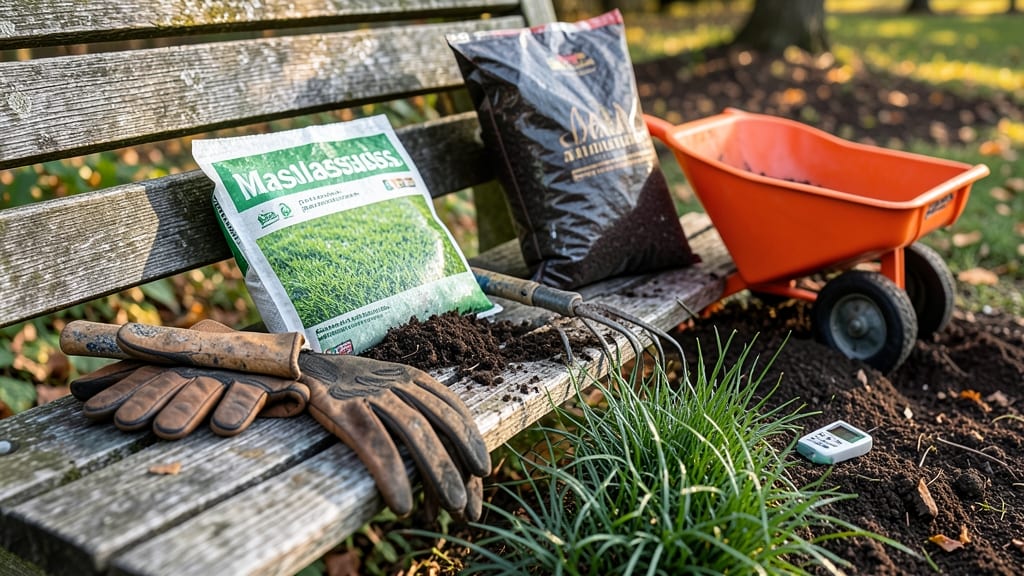
Planting grass seed in Massachusetts at the wrong time can leave you staring at a yard full of bare spots instead of that dreamy green carpet you envisioned. The right timing depends on your region's frost dates and soil temperature—both of which shift dramatically between coastal areas and inland zones.
Most gardeners in USDA zones 5b-7a swear by two ideal windows: early spring (after the last frost, typically mid-April) or late summer/fall (September-October). But here's the catch: if you plant too early, a surprise frost will kill your seedlings before they take root.
And if you wait too late, summer heat can dry out the soil faster than you can water.
I've seen firsthand how a 5-day delay in planting can turn a lush lawn into a patchwork of weeds. The key is knowing when your soil hits that sweet spot of 50-65°F—warm enough for germination but cool enough to avoid stress.
Let me walk you through exactly when to plant in your specific corner of Massachusetts, plus how to prep your soil for success.
Whether you're starting a new lawn or overseeding an existing one, these timing tips will save you from the frustration of wasted seed and endless watering. Let's get your grass growing strong from day one.
Massachusetts frost-free dates and soil temperature requirements for grass seed
Understanding Massachusetts frost-free dates and soil temperature requirements is critical for successful grass seed germination. The state’s USDA hardiness zones 5b-7a create regional variations, so timing your planting window correctly ensures your lawn thrives rather than struggles.
Whether you're in northern MA or near the coastal areas, knowing when the ground warms up to the ideal 50-65°F range will determine whether your seeds sprout or fail.
For most of Massachusetts, the average last frost date falls around April 15, but this can shift 2-3 weeks earlier in southern regions like Cape Cod or 2-3 weeks later in the northwest mountains.
These variations mean your planting timeline should account for local microclimates. Coastal areas often experience milder winters, while inland regions face harsher frost risks, requiring a more conservative approach.
Grass seeds need consistent soil temperatures between 50-65°F to germinate properly. Below 50°F, seeds may rot or fail to sprout, while temperatures above 65°F can cause rapid moisture loss. Using a soil thermometer is the best way to confirm readiness—especially in early spring when ground temperatures fluctuate wildly.
If your soil is still below 50°F in April, wait until late May or early June for optimal results.
Here’s a quick reference for Massachusetts frost-free dates and soil temperature guidelines by region to help you plan:
| Region | USDA Zone | Avg. Last Frost | Ideal Planting Window | Soil Temp for Germination |
|---|---|---|---|---|
| Northern MA (e.g., North Adams, Greenfield) | 5b | May 1 | Late May–early June | 55–65°F |
| Central MA (e.g., Worcester, Springfield) | 6a | April 20 | Mid-April–mid-May | 50–60°F |
| Eastern MA (e.g., Boston, Providence) | 6b | April 10 | Early April–early May | 50–62°F |
| Western MA (e.g., Pittsfield, Amherst) | 5b-6a | April 25 | Late April–early June | 52–63°F |
| Coastal MA (e.g., Cape Cod, Nantucket) | 7a | March 25 | Late March–April | 50–60°F |
If you’re planting in early spring, aim to sow seeds 4-6 weeks before your region’s average last frost date. This buffer period ensures your grass has time to establish roots before summer heat arrives.
For example, in Boston (Zone 6b), planting in early April gives your seeds enough time to germinate before the June heatwave dries out the soil.
For fall planting, which is often ideal for cool-season grasses like Kentucky bluegrass or fescue, wait until 6-8 weeks before the first frost. In most of Massachusetts, this means late August to mid-September.
Fall planting allows seeds to germinate in warm soil while benefiting from cooler air temperatures and consistent rainfall, reducing stress on young plants.
Always check the 7-day forecast before planting to avoid late frost risks. Even if your soil is warm, a sudden cold snap can damage tender seedlings. If frost is predicted within
Best grass seed planting windows by Massachusetts region (spring vs fall)
Choosing the right time to plant grass seed in Massachusetts depends on your specific region and whether you prefer spring or fall planting. The state’s USDA zones 5b-7a create microclimates where coastal areas warm earlier than inland zones, while northern regions face later frost risks.
For the best results, I recommend aligning your planting with soil temperatures of 50–65°F and avoiding frost-prone periods.
Spring planting (April–June) offers faster germination but requires vigilance against late frosts, while fall planting (September–October) provides cooler soil and fewer weeds. Both seasons work, but your local frost dates and grass seed variety (cool-season types like Kentucky bluegrass or fescue) will dictate success.
Let’s break down the ideal windows by region to help you decide.
- Coastal MA (e.g., Cape Cod, Boston): Spring (April 15–May 15), Fall (Sept 1–Oct 15) – Warmer microclimates allow earlier starts.
- Central MA (e.g., Worcester, Springfield): Spring (April 20–May 10), Fall (Sept 15–Oct 1) – Balance frost risks with soil warmth.
- Western MA (e.g., Berkshires, Pittsfield): Spring (May 1–May 15), Fall (Sept 20–Sept 30) – Later frosts delay spring planting.
- Northern MA (e.g., North Adams, Amherst): Spring (May 10–June 1), Fall (Sept 25–Oct 5) – Longer frost-free buffer needed.
For spring planting, I prioritize late April to early June because soil temperatures rise steadily, but late frosts can still occur in inland areas.
Use a 30-day buffer after your region’s last frost date—coastal areas can start earlier, while northern zones should wait until May. Kentucky bluegrass and tall fescue thrive in these conditions, but monitor weather forecasts for unexpected cold snaps.
Fall planting, from mid-September to mid-October, offers cooler soil and fewer weeds, giving seeds a head start before winter. I recommend planting 6–8 weeks before the first frost (October 15) to allow roots to establish.
Coastal regions can extend planting into early November, while inland areas should finish by late September. Fine fescue and perennial ryegrass are excellent fall choices for their cold tolerance.
Regardless of season, soil temperature is your best guide—use a soil thermometer to confirm it’s above 50°F before planting. In my experience, fall often yields the healthiest lawns because seeds germinate in warm soil but avoid summer heat stress.
For spring plantings, starter fertilizer and consistent watering are critical to outpace weeds.
If you’re overseeding an existing lawn, fall is ideal because established grass shades out weeds, and cool temps reduce stress. For new lawns, spring planting gives seeds more time to mature before winter.
Always test your soil (ideal pH: 6.0–7.0) and remove debris to ensure direct seed-to-soil contact. With the right timing, your Massachusetts lawn can achieve full coverage in 6–12 months—no patchy surprises! 🌿