
Plants
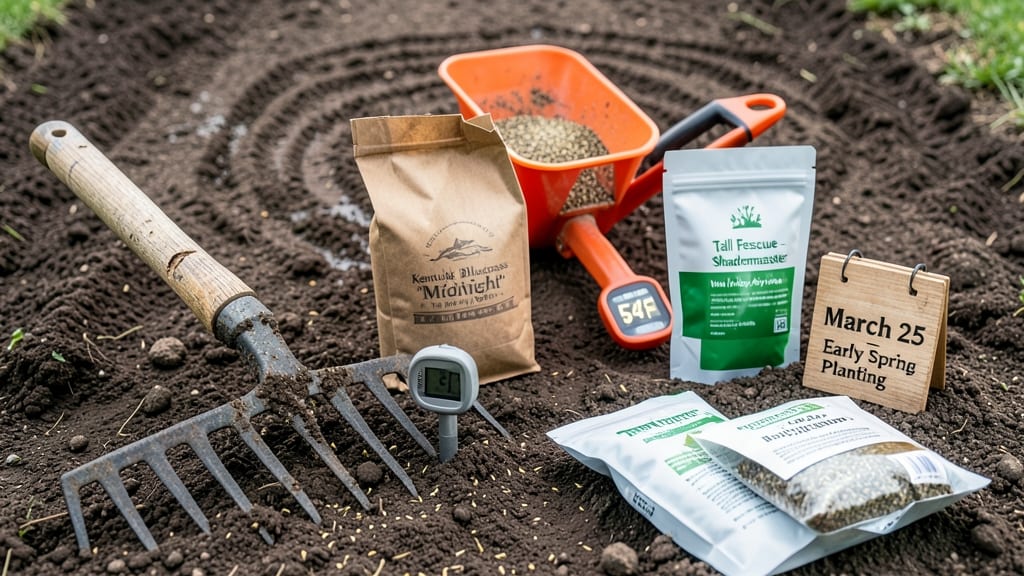
Planting your 🌱 Grass (Lawn) at the wrong time in spring can mean waiting months for that lush green carpet—or worse, watching your seeds wash away in heavy rain or freeze before sprouting.
The perfect window isn’t just about the calendar; it’s about understanding your local frost dates, soil warmth, and even the type of grass you’re planting.
Most gardeners in Zone 6a (like me!) know the struggle: too early, and frost zaps your progress; too late, and summer heat stresses young grass.
But here’s the good news—with just a few key checks (like soil temperature and last-frost predictions), you can pinpoint the 4-6 week window before your area’s final freeze that guarantees the best start.
In this guide, I’ll break down exactly when to plant in your region, how to test soil readiness, and which grass types thrive in early vs. late spring.
Whether you’re overseeding a patchy lawn or starting fresh, these steps will help you avoid common mistakes and get that vibrant green growing strong.
Ready to skip the guesswork? Let’s dive into the science-backed timing that’ll have your lawn looking its best all season long.
Spring grass planting timeline by USDA Hardiness zones and frost probability
Spring grass planting success hinges on two critical factors: last-frost dates and soil temperatures. Planting too early risks frost damage, while waiting too long can lead to summer drought stress.
For most regions, the ideal window falls between 4-6 weeks before the last frost and when soil warms to 50°F+. Cool-season grasses like Kentucky bluegrass thrive in early spring, while warm-season varieties such as Bermuda grass prefer late spring planting.
Your USDA Hardiness Zone determines your exact planting window. Northern zones (3-5) have shorter growing seasons, while Southern zones (8-10) enjoy extended spring planting opportunities. Always verify your zone using the USDA Plant Hardiness Zone Map—this ensures you align with local climate patterns.
For example, Zone 4 gardeners should aim for late April to early May, while Zone 9 can plant as early as February.
Here’s a quick reference for your region’s planting timeline, including frost probabilities and soil temperature thresholds:
If you’re unsure about your exact last-frost date, check the NOAA Climate Data for your region or use a frost probability calculator. For example, in Zone 6, the frost-free probability reaches 80% by April 15, making it safe to plant cool-season grasses by early April.
In Zone 9, warm-season grasses like Zoysia can be planted as early as January when soil temperatures consistently stay above 65°F.
For cool-season grasses, aim to plant 4-6 weeks before the last frost. This gives seeds time to germinate before summer heat sets in. In contrast, warm-season grasses like Bermuda or Centipede should wait until soil temperatures reach 65°F+, typically late spring to early summer.
Overplanting warm-season grass too early can lead to seed rot or poor establishment.
Soil temperature is just as critical as frost dates. Use a soil thermometer to confirm readiness—most grass seeds require 50°F+ for germination. In cooler zones, you may need to cover seeds with straw to retain warmth.
Conversely, in Southern zones, shade cloth can protect newly planted grass from intense midday sun during late spring.
Pro tip: If your spring is unpredictable, opt for fast-germinating ryegrass mixes in cooler zones or Bermuda grass in warmer climates. These varieties establish quickly, giving you a head start on weeds and a lush lawn by summer.
Always water deeply after planting to encourage root growth—aim for 1-1.5 inches of water per week.
Regional variations matter! For instance, Pacific Northwest gardeners (Zone 7-8) can plant as early as February due to mild winters, while Midwest gardeners (Zone 5) should wait until late April. Adjust your timeline based on microclimates—southern slopes warm faster than shaded areas, so plant those spots first.
Finally, monitor your lawn’s progress. If new grass turns yellow or wilts after planting, it may signal overwatering, frost damage, or poor soil contact. In such cases, lightly rake the soil, reduce watering, and consider a light fertilizer to boost recovery.
With the right timing, your spring grass planting will yield a thick, resilient lawn by summer.
🌱
How to check your local frost-free dates and soil conditions
Planting grass too early in spring can leave your seeds vulnerable to late frosts, while waiting too long risks summer heat stress. To avoid these pitfalls, I always verify two critical factors: local frost-free dates and soil temperature.
These determine the perfect window for cool-season grasses like Kentucky bluegrass or fescue, which thrive when temperatures stabilize.
Start by checking the NOAA Frost Probability Maps for your area. These tools show the last average frost date with 80% accuracy, helping you avoid planting 4-6 weeks too early.
For example, in USDA Zone 6a, the last frost typically falls around April 15, but I always confirm this with local weather data to account for early spring variability.
Premature Planting Risks
Planting grass before the soil reaches 55°F or the last frost date can lead to:
- ❄️ Seedling death from overnight frosts
- 🌱 Stunted growth due to cold soil
- 💧 Poor water absorption in chilly conditions
Pro Tip: Use a soil thermometer ($10) to confirm temperatures—55-65°F is ideal for most cool-season grasses.
Next, test your soil temperature using a simple DIY method. Bury a soil thermometer 4 inches deep (the depth of grass roots) and check readings for 3 consecutive days. If temperatures dip below 50°F, wait at least 1-2 weeks—grass seeds need warmth to germinate efficiently.
In warmer climates (Zones 8-10), aim for 60-70°F soil to avoid heat stress in young seedlings.
For regional adjustments, account for microclimates. Areas near large bodies of water or urban heat islands may have earlier frost-free dates by 1-2 weeks. I once planted tall fescue in early March in my Zone 7a backyard, only to lose half the seeds when a late frost hit.
Since then, I’ve made it a rule to wait until mid-April unless local forecasts confirm a stable warm trend.
Finally, monitor weather forecasts for 10-day outlooks to predict frost risks. Services like Almanac.com or Weather.com provide free frost probability tools. If a 10% frost risk appears within 2 weeks of planting, delay your project.
Patience here saves time, money, and frustration—trust me, I’ve learned this the hard way!
By combining frost-free dates, soil temperature checks, and local weather trends, you’ll pinpoint the perfect planting window for your grass. This method ensures your seeds germinate strong and healthy, setting the stage for a lush, resilient lawn all season long. 🌱