
Plants
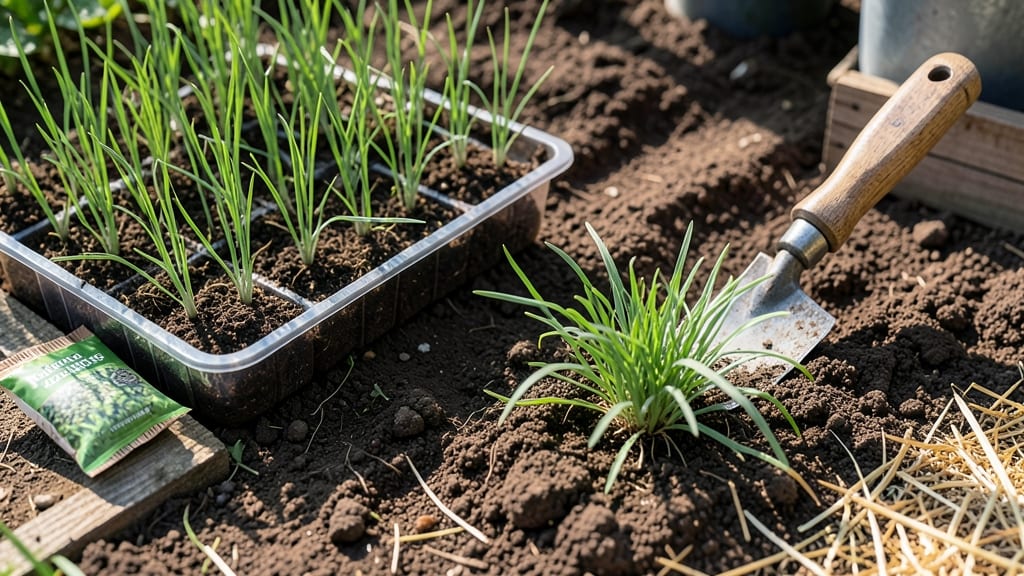
Planting cool season grass at the wrong time in spring can leave you staring at a patchy lawn all summer—don’t let that happen to you. The 4-6 weeks before your last frost is your golden window, but getting it perfect takes more than just guessing.
In Zone 6, that means aiming for early March, when soil temperatures hit 50-55°F—the sweet spot for strong root growth.
I’ve seen firsthand how a few weeks off can mean the difference between a lush, green lawn and one that struggles to take hold. The key isn’t just the calendar date—it’s understanding your local climate and soil conditions.
Let me walk you through exactly how to time it right, so your grass gets the head start it needs to thrive all season long.
Most gardeners make one of two mistakes: planting too early when the ground is still cold, or waiting too long and missing the ideal window. You’ll learn the signs your soil is ready (and what to do if it’s not), plus the fastest-growing grass varieties for spring planting.
Ready to set your lawn up for success?
By the end of this guide, you’ll know exactly when to plant, how to prep your soil, and what to watch for in the weeks after seeding. No more second-guessing—just a strong, healthy lawn that starts right from the beginning.
Exact weeks before last frost for optimal cool season grass planting
Planting your cool-season grass at the right time in spring is like catching a wave—too early, and frost will kill your seedlings; too late, and you miss the ideal root establishment window. The science behind this timing focuses on two critical factors: soil temperature and frost-free days.
For most regions, this means planting 3-6 weeks before your last spring frost date, but the exact window depends on your USDA hardiness zone.
Why does this timing matter? Cool-season grasses like Kentucky bluegrass and tall fescue germinate best when soil temperatures consistently reach 50-55°F. At these temperatures, seeds sprout reliably without risking frost damage.
If you plant too early, your grass may germinate only to be killed by a late frost. If you wait too long, summer heat stress can stunt growth before roots fully develop.
Here’s the golden rule: Aim to plant when your average low temperatures stabilize above 40°F at night. This typically aligns with 4-6 weeks before your last frost date, but regional variations can shift this window by 1-2 weeks.
For example, Zone 3 gardeners might plant as early as late March, while Zone 8 gardeners can wait until mid-April.
To make this easier, I’ve created a zone-specific planting guide below. It breaks down the exact weeks before last frost for each zone, along with soil temperature thresholds. Use this as your planting checklist to avoid common mistakes like overestimating frost dates or underpreparing soil.
🌱 Pro Tip: Check your local Almanac’s frost calendar for the most accurate last frost date. Many regions experience microclimates where frost dates vary by 1-2 weeks even within the same zone.
Now that you know the exact weeks to plant, let’s talk about soil temperature. You can’t just rely on air temperature—soil needs to be consistently warm enough for seed germination. Use a soil thermometer to check temperatures at a 4-inch depth.
If your soil is still below 50°F, wait a few more days. Cold soil slows germination and weakens seedling vigor.
Another critical factor is daylength. Cool-season grasses thrive when days are lengthening, which signals to the plant that it’s time to grow.
In Zone 5-6, this typically aligns with late April, but in Zone 3-4, you might need to plant earlier to take advantage of increasing daylight.
If you’re unsure, err on the side of planting slightly earlier—your grass can handle cooler temperatures better than it can handle summer heat stress.
🌿 Common Mistake: Many gardeners wait until after the last frost to plant, but this is often too late. By then, soil temperatures may already be climbing, and your grass will struggle to establish roots before summer arrives.
The key is to plant before the last frost but when soil is warm enough to support germination.
For best results, combine this timing with proper soil preparation. Loosen the top 6 inches of soil, remove debris, and mix in compost to improve drainage and fertility.
This ensures your grass has the nutrients and aeration it needs to thrive once it germinates. After planting, keep the soil consistently moist (not soggy
Signs your spring soil is ready for cool season grass (and what to do if it’s not)
Cool season grass thrives when planted in warm soil but before summer heat arrives. The key is testing your soil’s temperature, moisture, and drainage—not just checking the calendar. Cold, soggy soil will stunt germination, while dry, overheated soil can scorch delicate grass seeds.
I’ve learned the hard way that rushing planting leads to patchy lawns, so let’s avoid that together.
Start by checking your soil temperature—it should consistently stay between 50-55°F during the day. Use a soil thermometer (they’re cheap!) or dig down 2-3 inches; if the soil feels cool to the touch, it’s not ready.
In USDA Zones 5-7, this usually means waiting until mid-April, while warmer zones (8+) can plant as early as February. Patience here pays off with stronger roots.
⚠️ callout-warning
Even if your soil feels warm, a late frost can kill young grass. Never plant less than 3-4 weeks before your last frost date—check your local USDA Zone for exact timing. If frost is forecasted within 7 days, delay planting or use frost cloth to protect seedlings.
💡 Pro Tip: Monitor your local weather app for 5-day forecasts—this is your best early warning system.
Next, test moisture levels—your soil should feel like a damp sponge, not mud or dust. Press your finger 1-2 inches deep; if it’s dry, water thoroughly 24 hours before planting. Overwatering is just as bad, though!
Poor drainage (where water pools) can suffocate seeds. To test, dig a small hole, fill it with water, and time how long it takes to drain—if it’s slower than 6 hours, amend with compost or sand.
If your soil fails these tests, don’t panic! Cold soil? Wait 1-2 weeks and retest. Too dry? Add organic matter like compost or peat moss to improve moisture retention. Poor drainage? Mix in perlite or coarse sand.
I once had a patchy lawn because I ignored drainage—now I always test first. For extra insurance, use a seed starter fertilizer (like 10-10-10) to jumpstart growth if conditions are borderline.
One final trick: Watch your local crocuses or daffodils. When they bloom reliably, your soil is usually safe for cool season grass. This natural indicator saves me from guessing! Pair this with a soil thermometer check, and you’ll nail the perfect planting window.
Remember, a slow start is better than a dead start—your lawn will thank you for the patience.
Once your soil passes these tests, it’s time to plant! Spread seed evenly, cover lightly with 1/4 inch of soil, and water gently to keep moisture consistent. Within 7-14 days, you’ll see those first green shoots—proof you timed it right. 🌱