
Lawn
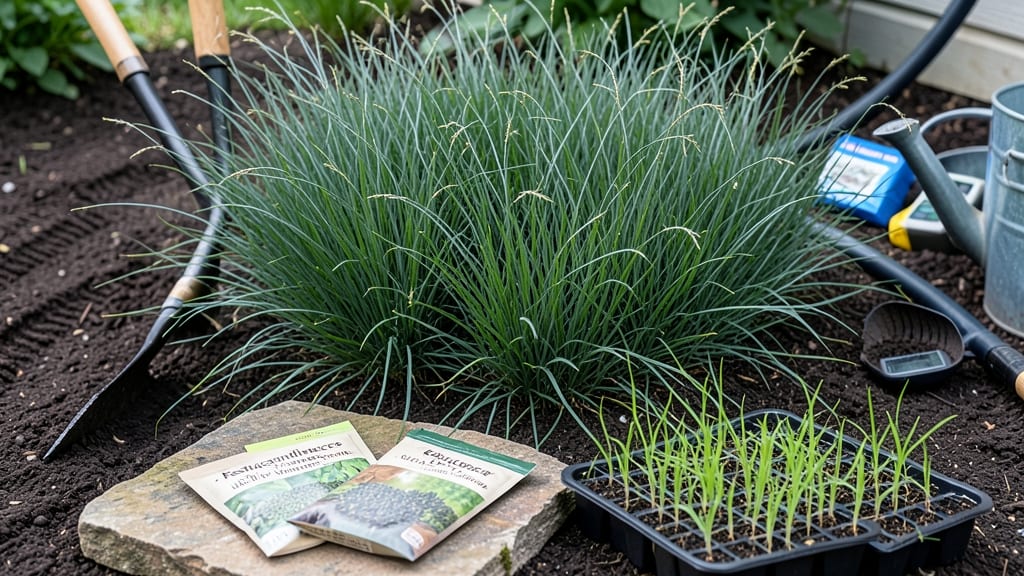
Planting your 🌱 Turfgrass (Lawn Grass) seed at the wrong time in Virginia can mean the difference between a lush, green lawn and weeks of frustration watching seeds fail to sprout.
The key to success lies in understanding Virginia’s unique climate—where spring’s unpredictable warmth clashes with fall’s steady cooling, making timing everything for germination.
If you’ve ever wondered why some lawns thrive while others struggle, it’s likely because of planting schedules that don’t match Virginia’s 6a-8a zones.
Early spring or late summer are your best bets, but getting the exact window right—before the heat sets in or frost arrives—is what separates a perfect lawn from a patchy disappointment.
In this guide, I’ll break down the exact months to plant for maximum success, whether you’re seeding in March or September. You’ll learn how to prep your soil, check weather patterns, and avoid common mistakes that kill grass seed before it even takes root.
Ready to transform your yard? Let’s dive into the best planting calendar for Virginia’s climate, so you can enjoy a vibrant lawn all season long.
Best months to plant grass seed in Virginia: spring vs. fall planting guide
Virginia’s diverse climate zones (USDA 6a-8a) create unique challenges for grass seed germination. Unlike cooler northern states, Virginia’s humid subtropical influence means summer heat and fall humidity can stress young seedlings. The key to success? Planting when soil temps stay between 60°F-75°F—a window that opens twice a year.
Most gardeners in Virginia focus on two ideal planting windows: early spring (March-April) and early fall (August-September). But timing isn’t one-size-fits-all. Coastal areas like Norfolk have earlier frost dates than the Blue Ridge Mountains, where soil warms slower in spring.
Understanding these regional differences can mean the difference between lush green coverage and patchy, slow-growing grass.
Here’s the critical comparison you need to know before grabbing your seed packet:
Fall planting in Virginia consistently delivers better germination rates because seedlings establish roots before winter dormancy. The 60°F-75°F soil window in late summer/early fall provides perfect conditions for Kentucky Bluegrass and Tall Fescue, Virginia’s most popular choices.
But don’t dismiss spring—it’s your only option if you’re repairing summer damage or dealing with late-winter weeds.
For Coastal Virginia (zones 7b-8a), aim for mid-March to early April in spring and mid-August to late September in fall. Mountain regions (zones 6a-7a) should wait until late April in spring and early September in fall, when soil finally warms.
Always check your local frost dates—the Virginia State Climate Office has tools to help.
Pro tip: Use a soil thermometer ($10 at garden centers) to verify temps. Seedlings won’t germinate below 55°F, and above 80°F, they’ll struggle. In Northern Virginia, I’ve seen seeds planted in late May fail completely due to summer heat, while the same seeds in early September thrived.
Watering strategies differ dramatically between seasons. Spring seedlings need deep watering 2-3x weekly to combat evaporation, while fall-planted grass benefits from morning watering only to prevent fungal growth from evening humidity. Both require consistent moisture—never let the top inch dry out during germination.
Remember: Virginia’s humid climate means fungal diseases like brown patch are always lurking. Fall-planted grass has a head start against these threats because cooler temps slow fungal spread. If you choose spring, apply a fungicide starter fertilizer to protect young seedlings.
Your best bet? Plant in fall for a spring surprise—a lush, established lawn ready for summer’s heat. But if spring’s your only option, don’t wait past mid-April in most regions, or you’ll risk slow, patchy growth all season. 🌱
Virginia grass seed planting calendar: week-by-week prep checklist
Timing your grass seed planting in Virginia isn't just about picking a month—it's about understanding your microclimate and preparing your lawn week by week. Whether you're in the Piedmont, Coastal Plain, or Mountains, each region has unique soil and temperature patterns that affect germination.
I’ve broken down the essential steps for both spring and fall planting to ensure your grass seed thrives.
For spring planting, aim to start 4-6 weeks after the last frost (typically late March to early April in most of Virginia).
In the Mountains, this might shift to early April, while the Coastal Plain can begin as early as late February. Fall planting, on the other hand, should happen 6-8 weeks before the first frost (usually August to early September), giving seedlings time to establish roots before winter.
📅 Virginia Grass Seed Planting Timeline
- Test soil pH (ideal: 6.0-7.0). Adjust with lime or sulfur if needed.
- Remove debris and weeds by hand or with a rake.
- Loosen top 2-3 inches of soil with a garden fork or tiller.
- Spread 10-20 lbs of 10-0-10 fertilizer per 1,000 sq ft.
- Choose a cool, cloudy day to reduce seed stress.
- Spread grass seed evenly at the recommended rate (check seed bag).
- Lightly rake seed into soil (1/4 inch deep max).
- Apply a thin layer of straw mulch to retain moisture.
- Water lightly 2x daily (morning and evening) to keep soil moist.
- Monitor for even moisture—avoid puddles or dry spots.
- Protect seedlings from birds with netting if needed.
- Reduce watering to 1x daily (morning) as roots grow.
- Apply a light fertilizer (half-strength) at 4 weeks.
- Mow when grass reaches 3-4 inches tall (never remove more than 1/3 of blade height).
- Water deeply 2-3x per week (1/2 inch total).
- Adjust mowing height based on grass type (e.g., 2-3 inches for fescue).
- Apply pre-emergent herbicide in spring to prevent weeds.
In Coastal Virginia, where humidity is higher, prioritize disease-resistant grass types like tall fescue and avoid planting in late summer when heat and humidity spike.
For the Mountains, cooler temperatures mean you can start seeding 1-2 weeks earlier in spring, but be ready for frost delays in late fall.
One of my biggest lessons? Don’t rush the prep work. Skipping soil testing or rushing seeding can lead to patchy germination or weed takeover. Take the time to loosen compacted soil and level uneven areas—your lawn’s long-term health depends on it.
With this checklist, you’ll avoid common pitfalls and set your grass up for successful establishment.
Pro tip: Keep a planting journal to track soil temps, rainfall, and germination progress. In Virginia, soil temps above 60°F are ideal for seeding—use a soil thermometer to confirm before planting. This small step can save you from wasted seed and frustration down the road.