
Plants
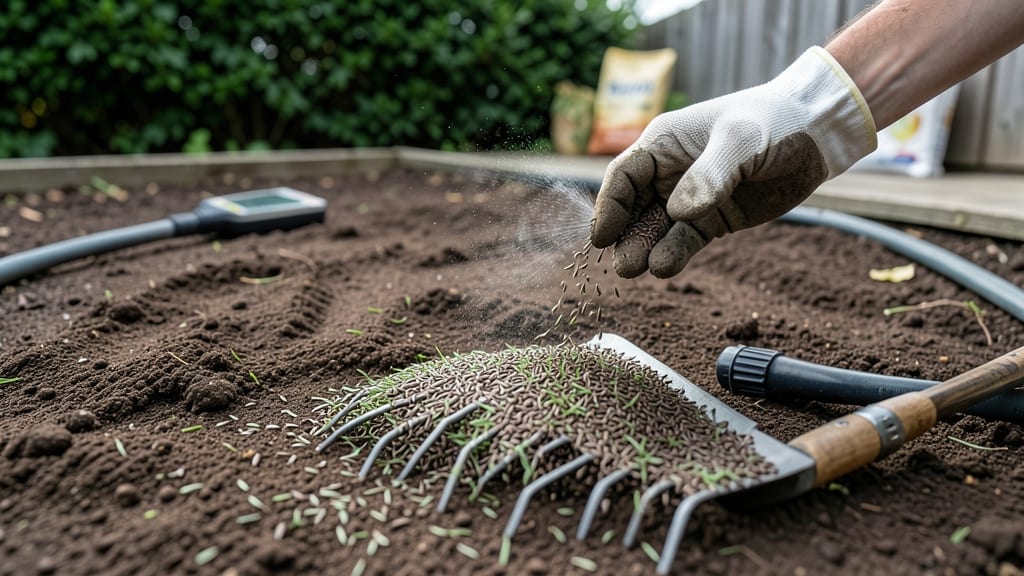
Planting grass seed in Iowa at the wrong time can leave you with patchy, weak turf that struggles to survive the harsh winters. The key to a thick, resilient lawn lies in understanding the optimal planting windows—when soil temperatures and moisture align perfectly for germination.
With Iowa's 5a-5b climate, timing matters more than you might think. Early spring and late summer offer the best conditions, but getting it wrong means wasted seeds and missed opportunities. I’ll break down the science behind the fastest establishment periods and how to adjust for your specific region.
Whether you're tackling a new lawn or overseeding an existing one, the right approach makes all the difference. You’ll learn how to prepare your soil, choose the best months, and avoid common mistakes that derail even the most well-intentioned gardeners.
Ready to transform your yard into a lush, weed-resistant carpet? Let’s dive into the best practices that will give you the results you’ve been dreaming of—without the guesswork.
Iowa grass seed planting calendar: optimal spring vs fall windows by month
Timing your grass seed planting in Iowa isn’t just about picking a month—it’s about matching soil temperatures, frost dates, and your USDA zone.
Northern Iowa (Zone 4b) has a shorter window than southern Iowa (Zone 5b), and planting too early or late can lead to seed rot or weed invasion. The sweet spot? When soil hits 55–65°F and stays there for at least 2 weeks.
Spring planting in Iowa typically runs from mid-April to early May, while fall offers a second chance from mid-September to early October. Both windows avoid extreme heat or frost, but fall often yields better results because cooler temps reduce water stress and weeds.
Let’s break down the best months for your region.
Northern Iowa (Des Moines, Cedar Rapids) should aim for late April to early May in spring, as frost lingers longer. In fall, wait until mid-September to avoid early frosts. Southern Iowa (Sioux City, Ottumwa) can plant 2–3 weeks earlier in both seasons due to warmer microclimates.
For Des Moines (Zone 5a), I recommend starting spring planting by April 15 and wrapping up by May 10. In fall, aim for September 15–October 5 to give seedlings time to establish before winter. Cedar Rapids, slightly cooler, should shift these dates by 1 week later.
Sioux City’s warmer climate lets you plant 2 weeks earlier in both seasons. Use a soil thermometer to confirm temps—seeds won’t germinate below 55°F, even if the air feels warm. Pro tip: Mix compost into your soil before planting to help retain moisture during Iowa’s dry spells.
Spring planting requires daily watering for the first 2 weeks to keep soil moist but not soggy. Fall planting, however, benefits from natural rainfall and cooler temps, reducing your watering workload. Just be sure to mow higher (3–4 inches) in summer to shade roots and conserve moisture.
If you miss the spring window, don’t panic—fall is your backup. But avoid planting after October 15, as seedlings won’t have enough time to root before frost. For shade-tolerant grasses like fine fescue, you can push the fall window to mid-October in southern Iowa.
One more critical tip: Test your soil’s pH before planting. Iowa’s clay soils often test acidic (below 6.0), which stunts grass growth. Amend with lime if needed—aim for a pH of 6.0–7.0 for most grass types.
A simple $20 soil kit from your local garden center saves you from wasted seed.
Finally, choose the right grass seed blend for your region. Tall fescue thrives in northern Iowa’s cooler summers, while Kentucky bluegrass handles southern Iowa’s heat better. Mixing 10% perennial ryegrass speeds up germination—ideal if you’re seeding a large area.
With these timing tweaks, you’ll outsmart Iowa’s unpredictable weather and grow a lawn that’s thick, green, and weed-free by next summer. Happy planting! 🌱
5 Critical factors that determine success (beyond just months)
Timing your grass seed planting in Iowa isn’t just about picking a month—it’s about understanding how soil moisture, rainfall patterns, and frost dates interact to create the perfect germination window.
For example, northern Iowa’s USDA Zone 4a faces earlier frost risks than southern Iowa’s Zone 5b, which can shift your ideal planting window by weeks. Even within the same region, a dry spring can turn a perfect April into a failed attempt.
I’ve seen firsthand how weed competition can derail even the most carefully timed plantings. Crabgrass and chickweed thrive in bare soil, and if your grass seedlings don’t establish quickly enough, they’ll get crowded out before they can develop deep roots.
The key is creating conditions where your grass outpaces weeds from day one. This means prepping your soil to give seedlings a 3-week head start before weeds even germinate.
Here’s what truly separates successful lawns from struggling ones in Iowa—five non-negotiable factors that go beyond just picking a month:
- 🌡️ Soil Temperature: Aim for 55–65°F (measured 2 inches deep). In Iowa, this typically means late April to early May for spring or mid-September for fall. Use a soil thermometer—don’t guess!
- 💧 Rainfall Timing: Seedlings need 1–1.5 inches of water weekly during establishment. Southern Iowa’s wet springs can drown seeds, while northern areas may need supplemental watering. Track your local NOAA rainfall forecasts.
- 🌱 Weed Suppression: Apply a pre-emergent herbicide 2 weeks before planting to block weeds. Follow up with corn gluten meal (natural pre-emergent) for organic lawns. Without this, weeds will steal 70% of your seedlings’ nutrients.
- ❄️ Frost Risk: Never plant when frost is forecast within 10 days. Northern Iowa’s last frost can hit May 15, while southern areas might push to May 20. Check the Old Farmer’s Almanac for your county.
- 🌿 Soil Prep Depth: Loosen soil to 3–4 inches deep to ensure roots penetrate clay-heavy Iowa soil. Add compost or peat moss to improve aeration—compacted soil strangles seedlings before they sprout.
Let’s talk soil moisture first, because it’s the silent dealbreaker. Iowa’s clay soils hold water like a sponge, but they also bake hard in summer. If you plant in dry conditions, seeds will dry out before germinating.
Test moisture by grabbing a handful of soil—it should hold together but not be soggy. If it crumbles, water deeply the day before planting. Conversely, overly saturated soil (common in spring) suffocates oxygen, causing rot. Aim for 60% moisture at planting time.
Post-planting, consistent watering is your #1 priority. I recommend setting a rain gauge to track weekly totals—most Iowans underestimate how much water their lawns actually need. Water lightly twice daily (morning and evening) for the first 10 days to keep seeds moist but not waterlogged.
After germination, switch to deep, infrequent watering (1 inch per week) to encourage deep root growth. Skipping this step leads to shallow roots that die in summer droughts.
Finally, don’t overlook the post-planting checklist: mulch with straw (not hay) to retain moisture, avoid foot traffic for 3 weeks, and apply a starter fertilizer with high phosphorus to boost root development. With these factors locked in, your Iowa lawn will establish 30% faster and outcompete weeds naturally.
The difference between a thin, patchy lawn and a thick, green carpet often comes down to these details.