
Plants
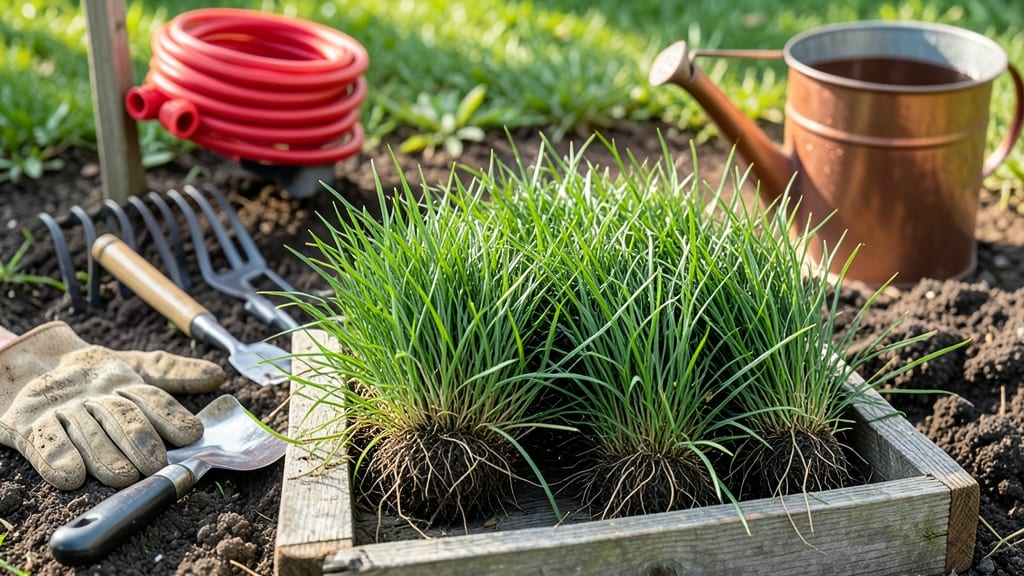
Planting Bermuda Grass at the wrong time in Tennessee can mean weak roots, poor spread, and a lawn that struggles to survive the state’s brutal summers—so timing is everything.
The 6a-7b climate zones demand precision, and missing the ideal window could leave your grass vulnerable to heat stress or slow growth.
For most Tennessee lawns, the best months to plant Bermuda Grass are late April through mid-May or early September to early October. These windows give your grass 4-6 weeks to establish strong roots before summer’s peak heat arrives, ensuring it thrives in your region’s high humidity and frequent rainfall.
Whether you're overseeding an existing lawn or starting fresh, understanding soil temperatures and regional microclimates makes all the difference. Let’s break down exactly how to time your planting for maximum success in Tennessee’s unique growing conditions.
From preparing your soil to avoiding common mistakes, I’ll walk you through every step to help your Bermuda Grass take hold and stay lush all season long. Ready to transform your lawn? Let’s get started.
Best months to plant Bermuda grass in Tennessee for maximum growth
Planting Bermuda grass in Tennessee isn’t just about picking a month—it’s about aligning with soil temperatures, regional microclimates, and the grass’s aggressive growth cycle. Since Tennessee spans USDA zones 6a-7b, the optimal planting window shifts slightly between East, Middle, and West Tennessee.
Plant too early, and your grass may struggle with late frosts; too late, and summer’s intense heat can stress young roots.
For maximum root establishment, focus on two key periods: late spring (April–May) and early fall (September–October). These windows ensure your Bermuda grass gets 4–6 weeks of warm soil (65°F+) before summer’s peak heat arrives.
In East Tennessee’s cooler zones (like Zone 6a), aim for late April to early May, while West Tennessee’s warmer climate (up to Zone 7b) allows for early April or late September plantings.
Here’s a quick breakdown of the best planting months by Tennessee region, including soil temperature cues and key considerations:
| Region | Best Planting Months | Soil Temp Requirement | Key Consideration |
|---|---|---|---|
| East Tennessee (Zone 6a) | Late April–Early May Early September–Early October |
65°F+ (consistent) | Wait for last frost (mid-April) and monitor soil warmth. |
| Middle Tennessee (Zone 6b-7a) | Early April–Mid-May Late August–Early September |
60°F+ (minimum) 70°F+ (ideal) |
Avoid June plantings—summer heat can shock seedlings. |
| West Tennessee (Zone 7b) | Early April–Early May Late September–Early October |
68°F+ (minimum) | West TN’s longer growing season allows for earlier spring or later fall plantings. |
| All Regions | Avoid June–August | N/A | Summer heat (>90°F) can burn seedlings or cause dormancy stress. |
Spring planting (April–May) is ideal for establishing new lawns because Bermuda grass thrives on long daylight hours and warm soil. In Tennessee, this means 6–8 hours of sun daily and consistent moisture to prevent dormancy.
For overseeding or repairing thin patches, early fall (September) is your second-best window—cooler temps reduce water stress, and roots strengthen before winter.
If you’re in West Tennessee (Zone 7b), you might even squeeze in a late August planting, but prioritize shade cloth during the hottest afternoon hours. The goal is to give your grass 4–6 weeks of uninterrupted growth before summer’s peak or winter’s chill sets in.
Pro tip: Use a soil thermometer—Bermuda grass won’t germinate well below 65°F, even if air temps are warm.
One common mistake Tennessee gardeners make is planting too early (March) or too late (June). March soil is often too cold for germination, while June’s intense heat can desiccate seedlings. Instead, time your planting to align with local frost-free dates and historical rainfall patterns.
For example, Nashville (Middle TN) averages 1.5 inches of rain weekly in May, perfect for Bermuda grass’s deep root establishment.
For regional adjustments, consider microclimates: Mountainous areas (like Great Smoky Mountains) may need a 2-week delay compared to lowland valleys (e.g., Memphis). Always check local weather forecasts for 10-day outlooks—a stretch of 90°F+ days after planting can halt germination until rains return.
Once planted, water deeply 2–3 times weekly (morning only) to encourage root penetration. Bermuda grass is drought-tolerant once established, but seedlings need consistent moisture to avoid brown patches.
In East Tennessee’s higher elevations, you may need to extend the fall window into mid-October to avoid early frosts damaging tender new growth.
Remember: Bermuda grass spreads aggressively once established, but weak roots from poor timing lead to thin, patchy lawn
How to prepare your Tennessee lawn for Bermuda grass planting
Before you even think about planting Bermuda grass seeds in Tennessee, proper lawn preparation is non-negotiable. This warm-season grass thrives when given the perfect foundation, especially in our USDA zones 6a-7b where summers can be brutal.
Skipping prep steps often leads to weak germination, patchy growth, and a lawn that can't handle Tennessee's heat and humidity.
I’ve learned from years of trial and error that the key to a lush Bermuda lawn starts months before you even sprinkle those tiny seeds. The right soil conditions, pH balance, and nutrient levels make all the difference between a struggling lawn and one that spreads aggressively.
Let’s break this down into clear, actionable steps so you can create the ideal seedbed for your new grass.
Use a soil test kit (available at garden centers) to check pH levels and nutrient content. Bermuda grass prefers pH 6.0-7.0. If your soil is too acidic or alkaline, adjustments will be needed before planting.
If your soil pH is below 6.0, add lime (follow package instructions). For pH above 7.0, incorporate sulfur or peat moss. Re-test after 4-6 weeks to confirm adjustments.
Kill weeds and existing grass using a non-selective herbicide like glyphosate. Apply according to label instructions, then wait 2-3 weeks before proceeding. This ensures a clean slate for your Bermuda grass.
Use a tiller or garden fork to loosen the top 4-6 inches of soil. This improves aeration and root penetration. Break up any compacted layers, especially in high-traffic areas.
Mix in 2-3 inches of compost or well-rotted manure. This improves soil structure and provides essential nutrients. Avoid fresh manure, as it can burn young seedlings.
Spread a high-phosphorus starter fertilizer (e.g., 10-20-10) at 0.5 lb per 100 sqft. This promotes strong root development before the seeds even sprout. Water lightly to activate the fertilizer.
Use a lawn rake to create a smooth, even surface. Fill low spots with soil and level high areas. A perfectly flat seedbed ensures even seed distribution and germination across your entire lawn.
Once you’ve completed these steps, your Tennessee lawn will be ready for Bermuda grass seeds to thrive. The key is patience—don’t rush the preparation. A well-prepared seedbed means faster germination, stronger roots, and a lawn that can handle Tennessee’s intense summers like a pro.
Think of it as giving your grass the best possible start in life.
Pro tip: If you’re planting in fall, focus extra attention on soil moisture during the initial weeks. Tennessee’s humidity and occasional drought spells can dry out seeds quickly, so keep an eye on the weather forecast and water consistently. Your future lawn will thank you! 🌱