
Plants
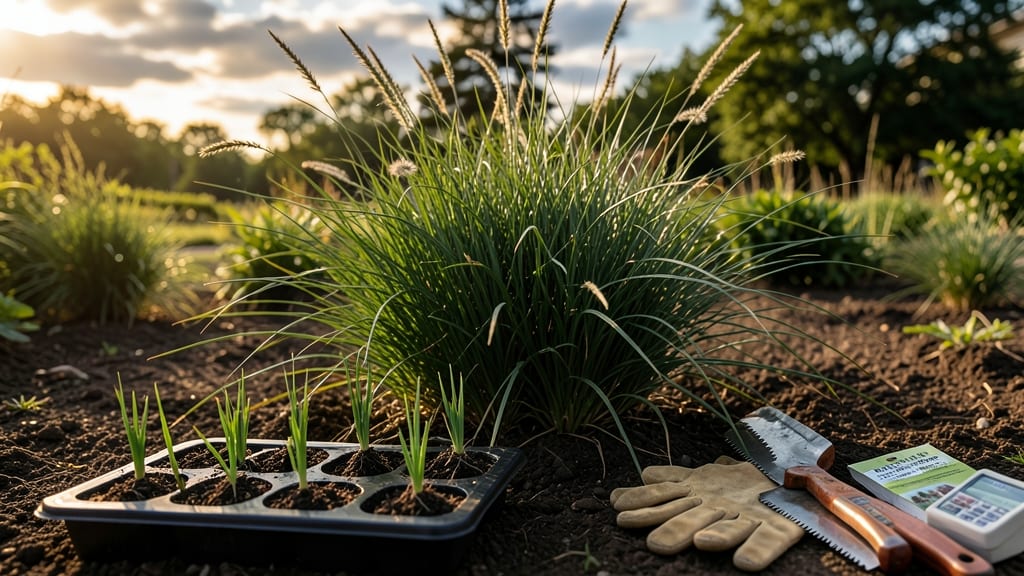
Planting fescue grass in Georgia at the wrong time can leave you with patchy lawns and extra work—because unlike some grasses, this cool-season variety needs the perfect window to establish strong roots before winter sets in.
Most gardeners in 7a-9a zones know fall is ideal, but timing matters more than you think. Plant too early, and summer heat will stress seedlings; too late, and frost can stunt growth before they take hold.
I’ll show you exactly when to plant for a lush, resilient lawn that thrives year after year.
Georgia’s climate varies by region—northern areas like Atlanta have earlier frosts than southern spots near Savannah. That’s why I’ll break down the best months for your specific area, plus soil prep tips to give your 🌱 fescue the best start.
Whether you’re seeding in early spring or fall, this guide ensures your grass grows deep roots before winter—saving you time and frustration. Let’s get your lawn off to the right start.
Best planting months for fescue in Georgia’s climate zones
Georgia’s 7 USDA climate zones (5A-8B) create dramatic differences in frost timing and heat stress risks for fescue grass. Unlike northern states, late summer seeding often fails here because Georgia’s humidity and heat can bake seeds before roots establish.
The 6-week pre-frost window is your golden opportunity—miss it, and you’ll battle thin, patchy lawns all winter.
For cool-season fescue to thrive, aim for early fall (August-September) in most zones, but adjust 2-3 weeks earlier in higher elevations (Zone 6A) or late September-October in Zone 8B’s coastal warmth. Spring planting (March-April) works too, but requires daily watering to outpace summer’s heat.
Here’s how Georgia’s microclimates shift your planting window:
Zone 8A and 8B gardeners often see late summer seeding fail because 90°F+ temperatures and high humidity create the perfect storm for fungal diseases like brown patch. I’ve seen 50% seed loss in Savannah when planting after September 15—the heat simply outpaces root growth.
For mountain regions (Zones 5A-6A), elevation changes everything. A 1,000-foot increase can shift your frost date by 2 weeks. Check local weather stations (like NOAA’s Atlanta or Athens data) and add 5-7 days to your planting window if you’re above 2,000 feet.
Urban heat islands in Atlanta, Macon, or Augusta can add 5-10°F to summer temps, making late August seeding risky. If your lawn is in full sun with pavement nearby, wait until September 1 or use shade cloth for the first 2 weeks to protect seedlings.
Pro tip: Test your soil’s moisture before planting—Georgia’s red clay holds water differently than sandy soils. Stick your finger 3 inches deep; if it’s dry, water deeply 2 days before seeding. Overwatering at planting time can wash away seeds or cause anaerobic conditions that rot roots.
Remember: Fescue’s deep roots need 6 weeks of cool weather to establish before winter. If you plant in October and frost hits November 1
How to prepare Georgia soil for fescue seedlings before frost
Georgia’s red clay soils and humid climate create unique challenges for fescue seedlings, especially before the first frost. Without proper prep, your cool-season grass may struggle to establish roots, leaving thin patches by spring.
The key? A 6-week pre-planting window focused on soil structure, pH balance, and organic matter—especially in clay-heavy regions like Atlanta or Savannah.
Start by testing your soil pH—fescue thrives in the 6.0-7.0 range. Georgia’s native soils often skew acidic (5.0-5.5), so you’ll likely need lime applications (pelletized for even distribution).
Mix in 2-3 inches of compost to improve drainage and water retention, then till to a 6-inch depth to loosen compacted clay layers.
⚠️ PROS-CONS BOX: CONVENTIONAL VS. NO-TILL FOR GEORGIA CLAY SOILS ⚠️
- ✅ Breaks up clay compaction thoroughly
- ✅ Incorporates organic matter evenly
- ✅ Reduces soil-borne diseases
- ❌ Disturbs soil microbes temporarily
- ❌ Requires extra watering post-till
- ❌ Labor-intensive for large areas
- ✅ Preserves soil structure and microbes
- ✅ Reduces erosion risk in clay soils
- ✅ Lower maintenance long-term
- ❌ Needs pre-existing organic layer
- ❌ Weed control challenges
- ❌ Slower drainage improvement
For pre-planting fertilization, apply a balanced 10-10-10 or slow-release formula 4-6 weeks before seeding. In Georgia’s Zone 7b-8a, aim for 1 cup per 100 sq ft in early September to give roots a growth boost before cooler temps arrive.
Pair this with a mulch layer (straw or pine needles) to retain moisture and regulate soil temps.
If your yard has poor drainage, create sand or compost swales (shallow trenches) to redirect water. Georgia’s heavy rains in late summer can drown seedlings—aim for 1-2 inches of organic matter mixed into the top 6 inches of soil to improve aeration.
Test drainage by digging a 12-inch hole and filling it with water; if it drains in under 6 hours, you’re good to go.
Finally, avoid fresh manure (use composted instead)—it can burn seedlings and disrupt soil microbes. Instead, blend aged compost with peat moss or coconut coir for a fluffy, seed-friendly mix. With these steps, your fescue will have the ideal head start before Georgia’s first frost.
Remember: patience is key. Seedlings need 4-6 weeks to establish roots before winter dormancy. Water lightly daily (not deeply) until germination, then taper to deep, infrequent watering to encourage deep root growth.