
Plants
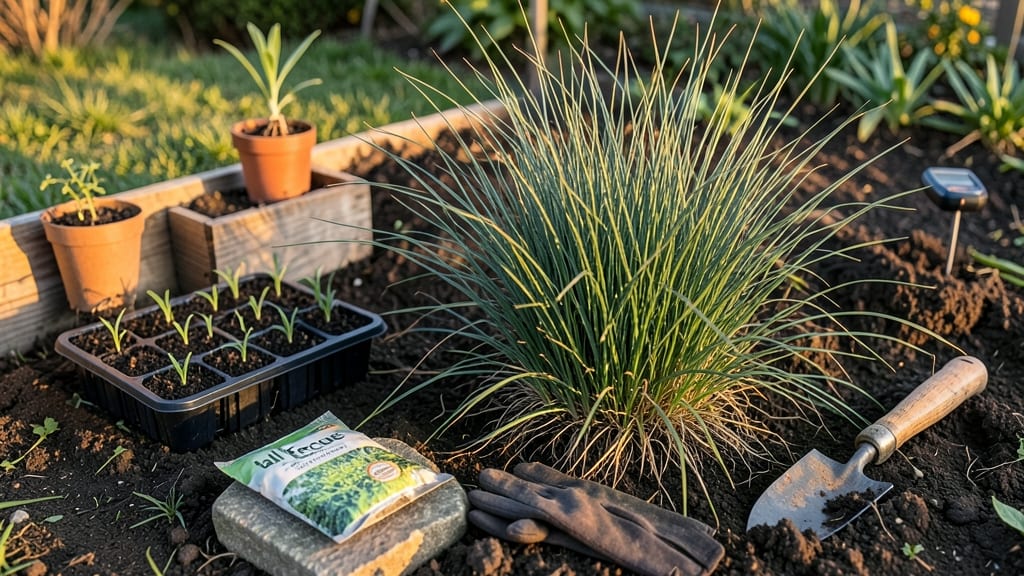
Planting fescue grass in South Carolina at the wrong time can mean struggling with heat stress or weak establishment—but getting the timing right transforms your lawn from a gamble to a lush reality.
The key window is late summer to early fall, when temperatures cool and rainfall becomes more reliable, giving your 🌱 fescue the best shot at deep root growth before winter dormancy.
Why does timing matter so much in South Carolina’s 7b-8a climate? Because those sweltering summer months can fry new grass before it takes hold, while planting too late leaves it vulnerable to frost.
I’ve seen firsthand how a 4-6 week window before the first frost (usually around mid-November) makes all the difference in root strength and winter survival.
Most gardeners assume any fall planting works, but the truth is more nuanced. Soil temperatures between 60-75°F and consistent moisture are non-negotiable for fescue success.
I’ll show you exactly how to check these conditions and adjust your planting schedule—because even a week too early or late can spell the difference between a thriving lawn and patchy disappointment.
Ready to stop guessing and start growing? Let’s break down the perfect planting schedule, soil prep secrets, and care tips tailored specifically for South Carolina’s unique climate—so you can enjoy a green, resilient lawn year after year.
Optimal fall planting windows for fescue in South Carolina’s climate zones
South Carolina’s USDA zones 7a-8b create unique challenges for fescue grass planting, where humidity and soil warmth must align perfectly. Unlike northern climates, our long, hot summers and mild winters demand precise timing to avoid heat stress or poor root establishment before dormancy.
The ideal window spans late summer to early fall, but exact dates vary by zone—missing this can leave your lawn struggling to thrive.
For zone 7a (cooler areas like the Upstate), the sweet spot is mid-September to early October, when soil temps drop to 60-75°F and daytime highs stay below 85°F.
In zone 8b (coastal areas like Charleston), you’ve got a slightly extended window—late August to mid-October—thanks to warmer soils. Rainfall patterns also shift: September’s average 5-6 inches provides perfect moisture, while October’s drier conditions require extra irrigation.
Why does soil temperature matter so much? Fescue seeds germinate best between 60-75°F, but above 80°F triggers heat stress, causing seeds to dry out before sprouting. I’ve seen August plantings in zone 8b fail spectacularly because the soil stayed 85°F+ for weeks—even with daily watering.
Use a soil thermometer (just $10 at garden centers) to check 2 inches deep before planting.
Rainfall plays a critical role too. September’s 5-6 inches of rain provides natural moisture, but October’s drier conditions (often 3-4 inches) mean you’ll need to water deeply 2-3 times weekly until roots establish.
In zone 7a, I’ve had early October plantings thrive with mulch (straw or pine needles) to retain moisture—this trick adds 2-3 extra weeks to your planting window.
What if you miss the window? Late falls (after October 15) still allow planting, but growth slows dramatically as soil temps drop. In zone 8b, I’ve had November plantings succeed with row covers to extend warmth, but root depth suffers.
For zone 7a, push no later than October 20—any later and winter dormancy kicks in before roots strengthen.
Pro tip: Fine fescue (like Creeping Red) handles cooler soils better than tall fescue, so if you’re in zone 7a and fall arrives early, choose fine fescue varieties.
I’ve also found that oversowing (planting extra seed) in late September ensures thick coverage, even if germination rates dip slightly in October. Just rake lightly after planting to avoid burying seeds—1/4-inch depth is ideal.
Don’t over
Signs your soil is ready for fescue planting (and what to do if it’s not)
Fescue grass thrives in South Carolina’s cool-season climate, but your soil must be ready before planting. The ideal window is late summer to early fall, when soil temperatures drop to 60-75°F.
This range ensures seeds germinate properly without heat stress. If your soil feels too hot or dry, wait—rushing can lead to poor root establishment and weak grass.
Start by checking soil moisture with a simple finger test. Stick your finger about 2 inches deep—if it feels damp but not soggy, your soil is ready. Fescue prefers moderately moist soil but can’t tolerate standing water.
South Carolina’s humid climate means you’ll need to monitor drainage closely, especially in low-lying areas where water pools after rain.
Next, test soil temperature using a soil thermometer. Aim for 60-75°F at a 4-inch depth. If temperatures are above 80°F, your seeds may dry out before germinating. Early mornings in September often provide the perfect conditions—plant then to avoid midday heat.
If your soil is still too warm, consider using shade cloth to create a cooler microclimate for seedlings.
🌱 Key Takeaway: Soil Readiness Checklist for Fescue
Don’t overlook organic matter content, which affects water retention and nutrient availability. Aim for 3-5% organic matter—you can test this with a simple soil kit from your local garden center.
South Carolina’s sandy soils often lack organic matter, so work in 2-3 inches of compost before planting. This boosts fertility and helps young fescue roots establish quickly in the humid climate.
If your soil is too cold (below 60°F), delay planting until temperatures rise. Use a soil warming mat for small areas if you’re eager to start. For dry soil, water deeply 24 hours before planting to help seeds absorb moisture.
In South Carolina’s variable fall weather, keep an eye on forecasts—plant on a cloudy day to reduce stress on seedlings.
Once your soil meets these criteria, plant fine fescue seeds at a ¼-inch depth and cover lightly with soil. Keep the area consistently moist (not soggy) for the first 3-4 weeks to encourage germination.
With the right soil conditions, your fescue will establish deep roots before winter, giving you a lush, drought-resistant lawn next spring. 🌱