
Plants
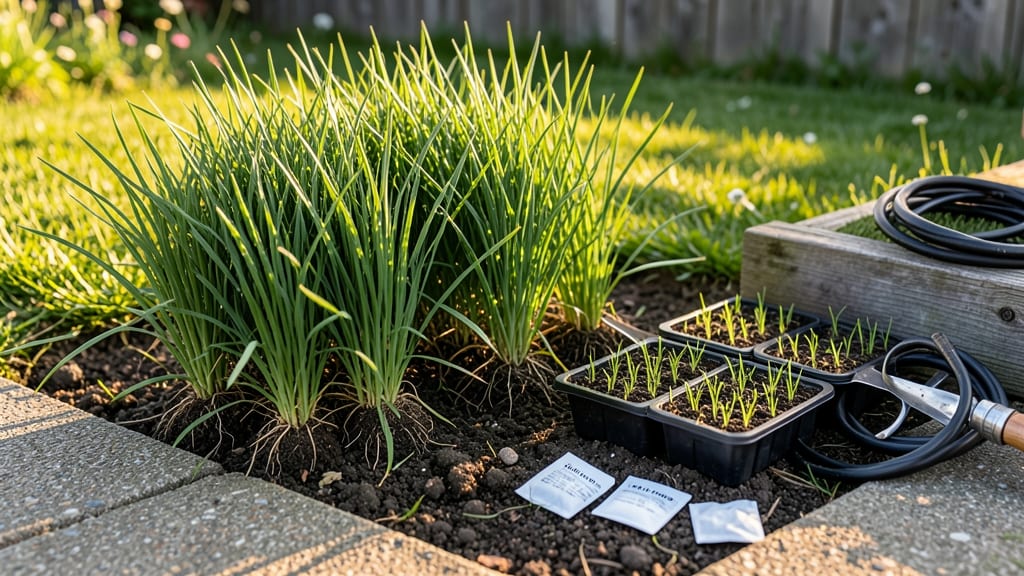
Planting fescue in Arkansas at the wrong time can mean the difference between a lush, green lawn and a patchy, struggling mess—especially when summer heat or early frost throws off your timing.
The perfect window for Arkansas gardeners in zones 7a-8b is late summer to early fall, when soil stays warm enough for strong root growth but temperatures haven’t yet dipped toward frost.
Why does this matter? Fescue 🌱 thrives when it can establish deep roots before winter sets in, which means avoiding the sweltering heat of mid-summer or the chilly rush of November.
I’ve seen firsthand how a well-timed planting in August or September leads to a lawn that’s already resilient by next spring—no weak spots, no brown patches, just consistent coverage.
But here’s the catch: Arkansas’ climate varies wildly from the Ozark Mountains to the Delta, so your exact timing might shift slightly based on microclimates.
Whether you’re in Northwest Arkansas with cooler summers or Southeast Arkansas with higher humidity, we’ll break down the ideal months and how to adjust for your specific conditions.
Ready to skip the guesswork? Let’s dive into the exact planting schedule, soil prep tips, and post-planting care that’ll give your fescue the best shot at thriving—no matter where you are in the state.
Best months to plant fescue in Arkansas for optimal root establishment
Arkansas's USDA zones 7a-8b create a unique window for planting fescue grass, where late summer to early fall offers the perfect balance of warm soil and cooling temperatures.
Unlike northern states, Arkansas avoids harsh winters early, giving fescue 4-6 weeks to establish roots before frost arrives in mid-November. This timing prevents summer stress while maximizing root growth before dormancy.
In the Ozark Mountains, cooler microclimates may extend the planting window into early October, while the Delta region with its humidity should target late August to early September.
Soil temperatures between 60-75°F are ideal—too hot, and seeds dry out; too cold, and germination slows. Arkansas's summer heat makes spring planting risky, as seedlings often brown out under intense sun.
Key planting months in Arkansas break down like this: August is prime for most regions, with September as a backup for northern areas. October works only for high-elevation zones where frost arrives later. Missing this window means waiting until next year, as fescue planted in spring struggles with Arkansas's high summer temperatures and drought stress.
🌱
For best results, aim to plant fescue when daytime highs stay below 85°F and night
How to prepare Arkansas soil and seed for fescue success
Preparing your Arkansas soil for fescue grass is the secret to a thick, healthy lawn. Arkansas’s clay-heavy soils and humid climate demand special attention—especially if you want to avoid common issues like poor drainage or fungal growth.
The key? A well-aerated seedbed with the right pH balance and organic matter. Let’s break down my proven method for getting your soil and seeds ready for peak germination and root growth.
First, test your soil’s pH—fescue thrives in slightly acidic conditions, ideally between 6.0 and 7.0.
Arkansas soils often lean toward alkaline (pH 7.5+), so you may need to amend with sulfur or peat moss to lower the pH. Grab a soil test kit from your local garden center or send a sample to the University of Arkansas Cooperative Extension Service for precise results.
This step alone can make or break your fescue’s ability to absorb nutrients.
Once you’ve got your pH in check, focus on improving soil structure. Arkansas’s clay soils compact easily, which stifles root growth. Mix in 2-3 inches of compost (I recommend a 50/50 blend of compost and topsoil) and lightly till it into the top 6 inches of soil.
For heavy clay, add coarse sand or perlite to boost drainage. This prep work ensures your fescue seeds won’t suffocate in dense, waterlogged soil.
- Step 1
- Step 2
- Step 3
- Step 4
- Step 5
- Step 6
After amending your soil, level the seedbed with a rake to create a smooth surface. Arkansas’s humid summers can lead to uneven germination if seeds aren’t planted uniformly. Remove any rocks or debris that could disrupt seed-soil contact.
Pro tip: Use a laser level or string line to ensure your lawn slopes slightly away from your home to prevent water pooling.
Don’t skip the pre-planting watering! Soak the soil 24 hours before seeding to a depth of 6 inches. This step is critical in Arkansas’s hot, dry spells—it ensures your seeds stay hydrated and don’t dry out before germinating.
Think of it as giving your seeds a head start in the race to establish roots. For extra insurance, consider using a seed starter fertilizer with phosphorus to boost early root development.
Finally, pre-soak your fescue seeds for 12-24 hours in lukewarm water before planting. This simple trick can double germination rates by jumpstarting the metabolic processes inside the seed. Plant seeds 1/4 inch deep and cover them lightly with soil or a thin layer of straw mulch to retain moisture.
Keep the soil consistently moist (but not soggy) until the seeds sprout—typically 7-21 days, depending on temperature.
With these steps, your Arkansas fescue lawn will have the perfect foundation for deep root growth and disease resistance. Remember, patience is key—fescue establishes slowly but rewards you with a durable, low-maintenance lawn that outshines many other grass types in Arkansas’s challenging climate. 🌱