
Planting
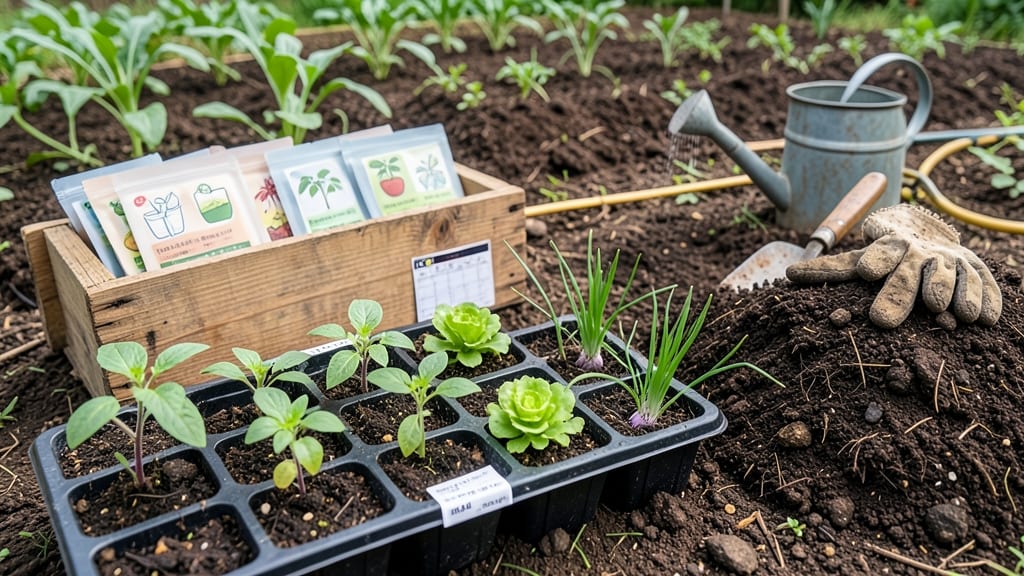
Planting a vegetable garden in North Carolina at the wrong time can mean the difference between a bountiful harvest and wilted disappointment—but getting the timing right isn’t as simple as checking a calendar.
With USDA zones 7a-8b and microclimates ranging from coastal humidity to mountain chill, your county’s last frost date could be weeks apart from your neighbor’s. Whether you’re dreaming of crisp spring lettuce or spicy summer peppers, knowing exactly when to plant ensures your 🥬 thrives.
Most gardeners in NC start cool-season crops like broccoli and peas as early as late February, but those in the mountains might wait until March to avoid surprise frosts.
Warm-season favorites like tomatoes and squash, on the other hand, need to wait until soil reaches 60°F—usually mid-April or later. Even then, a late frost can still sneak in, so timing isn’t just about the calendar; it’s about reading your region’s patterns.
This guide cuts through the guesswork with county-specific frost dates, seasonal planting charts, and pro tips to adjust for NC’s unpredictable weather.
Whether you’re a first-time gardener or a seasoned green thumb, mastering these windows will help you avoid common pitfalls—like planting too early and risking frost damage or too late and missing the harvest window entirely.
Ready to turn your garden into a perfect produce powerhouse? Let’s break down the exact dates and strategies you need to make every season count—no more wasted seeds or missed opportunities. Your future meals (and your plants) will thank you.
NC county-specific last frost dates: your planting timeline by region
North Carolina’s diverse climate creates three distinct gardening zones: the Coastal Plain, Piedmont, and Mountain regions. Each has unique last frost dates, which determine when to plant cool-season vs. warm-season crops.
Ignoring these dates risks frost damage or stunted growth—so let’s break it down by region to maximize your harvest.
For the Coastal Plain (eastern NC), expect your last frost between March 1-15, with some coastal areas like Carteret County warming even earlier. This zone’s longer growing season (240+ frost-free days) lets you plant tomatoes and peppers as early as mid-March, while cucumbers thrive with the extra heat.
The Piedmont (central NC) has a moderate climate, with last frosts ranging from March 15-30. Counties like Wake or Chatham strike a balance—ideal for broccoli and carrots in early spring, then squash and beans after Memorial Day.
First frosts hit here by mid-November, so plan fall crops accordingly.
In the Mountains (western NC), frost lingers longer—expect last frosts between April 1-15 in places like Haywood or Asheville. This shorter season (180–200 frost-free days) demands quicker-maturing varieties like bush beans or radishes. Start seeds indoors early to beat the late-spring chill.
| Region | Last Frost Date | First Frost Date | Key Crops | Planting Window |
|---|---|---|---|---|
| Coastal Plain | March 1–15 | November 15–30 | Tomatoes, Peppers, Cucumbers | Feb–April, Aug–Sept |
| Piedmont | March 15–30 | November 1–15 | Broccoli, Squash, Beans | March–May, July–Aug |
| Mountains | April 1–15 | October 15–30 | Radishes, Bush Beans, Lettuce | April–June, July–Aug |
Use NC State Extension’s interactive frost map to pinpoint your county’s exact dates—some areas, like Currituck on the coast, can be 2 weeks earlier than Mitchell County in the mountains. Pro tip: Hardened seedlings (like tomato or pepper starts) tolerate light frosts better than direct-sown seeds.
For Coastal Plain gardeners, prioritize heat-tolerant varieties like ‘Celebrity’ tomatoes or ‘Jalapeño M’ peppers. In the Piedmont, focus on succession planting—sow lettuce every 2 weeks from March to September to avoid bolting.
Mountain gardeners should opt for fast-maturing bush beans (ready in 50 days) to beat the early frost.
Check soil temperatures with a thermometer—most warm-season crops need 60°F+ soil to thrive. In cooler zones, use black plastic mulch to warm the soil faster.
For fall planting, aim to harvest cool-season crops like kale or spinach before the first frost, which can arrive as early as October 15 in the mountains.
Local microclimates matter too: South-facing slopes warm up faster, while low-lying areas hold frost longer. Adjust your planting dates by 3–7 days based on your yard’s exposure. For example, a sheltered Piedmont garden might support peppers planted by April 1, while an exposed one waits until April 15.
Track your garden’s progress with a planting journal—note when you sow seeds, transplant, and harvest. Over time, you’ll refine your schedule to match your unique microclimate.
Start with cool-season crops like spinach or peas 4–6 weeks before your last frost, then transition to tomatoes and eggplants after the danger has passed.
Remember: Frost dates are averages, not guarantees. Monitor NOAA’s
Best vegetables to plant in NC by season: spring, summer, and fall planting guides
North Carolina’s three distinct seasons for gardening mean your vegetable planting schedule must adapt to avoid heat stress or early frost damage. I’ve tested these NC-specific varieties in my own garden—some thrive in the humid Coastal Plain, while others handle the Piedmont’s heat better.
Let’s break down the best crops for each season and their ideal planting windows.
Spring is all about cool-season crops that tolerate light frosts and moist soil. My top picks? Broccoli and kale (both love NC’s mild spring temps), plus carrots and radishes for quick harvests.
Summer demands heat-loving plants like tomatoes and peppers, while fall lets you squeeze in another round of leafy greens and root vegetables before winter.
🌱 Seasonal Planting Guide for NC
- Spring (Feb-Apr): Plant cool-season crops like broccoli, kale, carrots, and radishes 4-6 weeks before last frost (mid-March in most regions). Use row covers for early starts.
- Summer (May-Aug): Wait until soil reaches 60°F+ to plant tomatoes, peppers, and beans. Succession plant every 2 weeks for continuous harvests.
- Fall (Aug-Sept): Sow spinach, lettuce, and turnips 60-90 days before first frost (mid-November). Cover crops like clover protect soil over winter.
For spring planting, I swear by ‘Winterbor’ kale—it handles NC’s humidity better than other varieties. Start seeds indoors in late February and transplant after April 15 (when soil warms). Broccoli like ‘De Cicco’ bolt in heat, so plant it in early spring or late summer for fall harvests.
Summer is where tomatoes and peppers shine in NC. My go-to is ‘Celebrity’ tomatoes—they’re disease-resistant and thrive in 90°F+ temps. Plant after May 15 (when night temps stay above 55°F). For peppers, ‘Carolina Wonder’ is a local favorite—it handles NC’s heat and humidity like a champ.
Fall gardening in NC is often overlooked, but it’s my favorite season! Radishes like ‘Cherry Belle’ mature in 25 days, perfect for late summer sowings. Carrots planted in August avoid bolting and yield sweet roots by October.
Don’t forget garlic—plant cloves in October for next summer’s harvest!
Pro tip: Use NC State Extension’s planting calendar to adjust for your specific county. For example, Mountain regions (like Asheville) can plant 2 weeks later than Coastal Plain areas (like Wilmington). Succession planting every 2 weeks ensures you’re never without fresh veggies!