
Planting
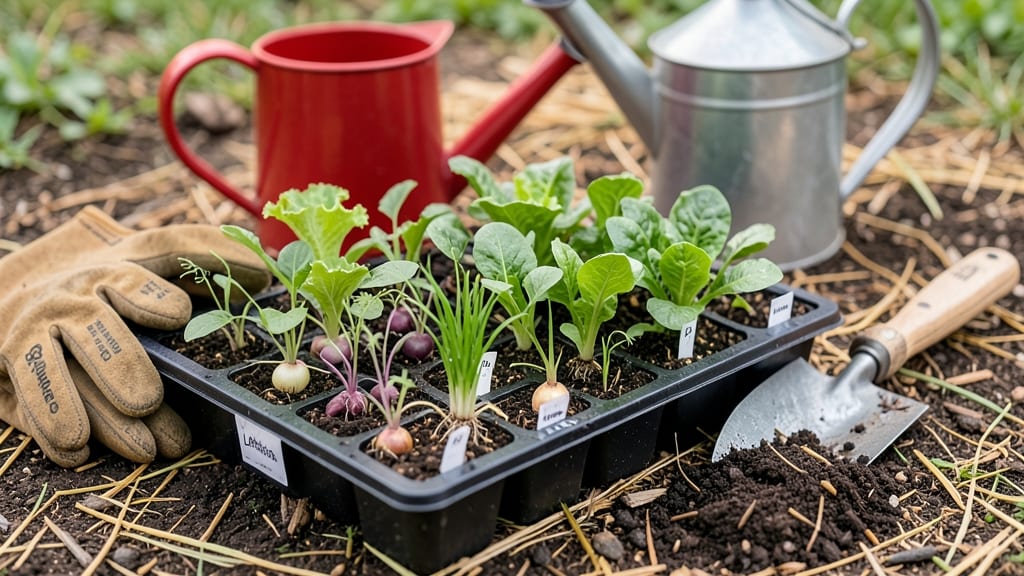
Planting a vegetable garden in Oklahoma at the wrong time can mean the difference between a thriving harvest and a total loss to unpredictable weather.
With 8 distinct heat zones across the state, timing your 🌱 vegetable crops isn't one-size-fits-all—what works in Zone 5A's cooler climate won't cut it in Zone 8B's scorching summers.
I've spent years watching Oklahoma's frost dates shift, and the key to success lies in knowing when to start seeds indoors, when to transplant tender seedlings, and how to work with your local microclimate.
Whether you're in Oklahoma City's Zone 7 or Tulsa's Zone 6, getting this right means fewer wasted seeds and more homegrown goodness on your table.
Cool-season crops like lettuce and peas need to hit the soil 6-8 weeks before last frost, while heat-lovers such as tomatoes and peppers can't tolerate chilly nights. I'll break down the exact windows for your specific county, so you can avoid common mistakes that even experienced gardeners make.
Ready to transform your garden into a productive powerhouse? Let's dive into Oklahoma's planting calendar—where every day counts between frost and harvest season.
Oklahoma’s frost-free dates by heat zone: your planting calendar
Oklahoma spans 8 USDA heat zones (5A–8B), creating wildly different planting windows from the panhandle’s Zone 6B to southeastern Zone 8A.
Your last frost date determines when to plant cool-season crops like peas and lettuce, while warm-season favorites such as tomatoes and peppers need the soil to stay above 50°F.
Counties in Zone 5A (e.g., Cimarron County) face late-May last frosts, while Zone 8B (e.g., Choctaw County) may see frost as late as mid-December. Understanding your zone ensures you avoid frost damage and maximize harvests.
Here’s a breakdown of average last frost dates by zone, with ideal planting windows for cool-season and warm-season crops. Use this as your garden’s roadmap to timing everything from seed starting to harvesting.
Pro Tip: Always check your local weather forecasts 1–2 weeks before your zone’s average last frost date. Microclimates—like urban heat islands or shaded valleys—can shift frost dates by 10 days or more.
| Zone | Avg. Last Frost | Cool-Season Planting | Warm-Season Planting | Example Counties |
|---|---|---|---|---|
| 5A | Late May | Mid-March to early April | Late May to early June | Cimarron, Texas |
| 6A | Early May | Late February to mid-April | Mid-May to early June | Harper, Woods |
| 6B | Mid-April | Early March to mid-April | Late April to mid-May | Oklahoma City, Stillwater |
| 7A | Late March | Late February to early April | Early April to late May | Lawton, Durant |
| 7B | Early March | Early February to early April | Late March to early May | Tulsa, Muskogee |
| 8A | Mid-February | Late January to mid-March | Early March to late April | McCurtain, Le Flore |
| 8B | Late January | Early January to early March | Late February to early April | Choctaw, Pushmataha |
For Zone 5A gardeners, cool-season crops like spinach and kale should start indoors by mid-February, while warm-season crops like squash and cucumbers can’t go in until after May 20. In Zone 8B, you might even squeeze in a fall planting of lettuce as late as mid-September.
Soil temperature matters just as much as air temperature. Use a soil thermometer to confirm warm-season crops can be planted when soil reaches 60°F+. In Zone 6B, this often means waiting until late April or early May, even if frost risk has passed.
Extend your growing season with row covers or cold frames. In Zone 7A, these can push your last frost date back by 2–3 weeks, letting you plant broccoli or cabbage as late as mid-April instead of early April. Just remove covers before flowering to prevent overheating.
Always account for first frost dates when planning fall crops. In Zone 8A, expect frost by mid-November, so plant fast-maturing crops like radishes or bush beans by mid-August for a harvest before winter sets in.
For Oklahoma City (Zone 6B), my personal planting schedule starts with onion sets in February, followed by peas and lettuce in March. I wait until May 10
Best vegetables to plant in Oklahoma’s early spring vs. late summer
Oklahoma’s early spring and late summer offer two distinct windows for growing vegetables. Cool-season crops like lettuce and peas thrive when temperatures dip below 80°F, while heat-loving varieties such as okra and sweet potatoes need the warmth of Zone 7B–8B summers.
Timing is everything—plant too early or late, and you’ll risk bolting, poor yields, or even crop failure.
For early spring planting, focus on cool-season vegetables that tolerate light frosts. These include leafy greens like spinach and kale, root crops such as carrots and radishes, and legumes like snow peas. In contrast, late summer is ideal for heat-tolerant crops like tomatoes, peppers, and southern peas.
The key is preparing your soil differently for each season—cool-season crops need well-draining, slightly acidic soil, while warm-season crops thrive in rich, compost-amended, slightly alkaline soil.
Early Spring Planting (March–April)
| Pros | Cons |
|---|---|
| ✅ Cooler temps prevent bolting in greens | ❌ Risk of late frosts in northern OK (Zones 6A–7A) |
| ✅ Fewer pests like aphids and cucumber beetles | ❌ Soil may be cold—wait until soil reaches 50°F |
| ✅ Quick harvests (radishes in 30 days!) | ❌ Limited variety—avoid warm-season crops |
Late Summer Planting (August–September)
| Pros | Cons |
|---|---|
| ✅ Heat-loving crops thrive (tomatoes, peppers, okra) | ❌ Intense heat can stress plants—use mulch and shade cloth |
| ✅ Longer daylight speeds up growth | ❌ Pests thrive—watch for squash bugs and stink bugs |
| ✅ Second harvest of warm-season crops | ❌ Early frosts can cut season short in Zone 7A |
To prep your soil for early spring, amend with compost and a balanced fertilizer (10-10-10) to boost microbial activity. For late summer, focus on organic matter like aged manure and potassium-rich fertilizers (e.g., greensand) to support root growth in high heat.
In Zone 8B (southeastern OK), you can even extend late summer planting into early October with heat-tolerant varieties like Malabar spinach or collard greens.
For early spring, start seeds indoors 6–8 weeks before the last frost date (typically mid-March in Oklahoma City). Harden off seedlings before transplanting after April 15. In late summer, opt for direct sowing after July 4 to avoid transplant shock.
Use drip irrigation to keep soil evenly moist, especially for tomatoes and peppers, which are prone to blossom-end rot in inconsistent moisture.
Don’t overlook succession planting—sow bush beans every 2 weeks in spring for continuous harvests, or try short-day onions in late summer for a fall crop. In Zone 7A, cover tender greens with frost blankets to extend harvests into November.
The right timing and soil prep can turn Oklahoma’s short growing seasons into a year-round gardening success! 🌱