
Planting
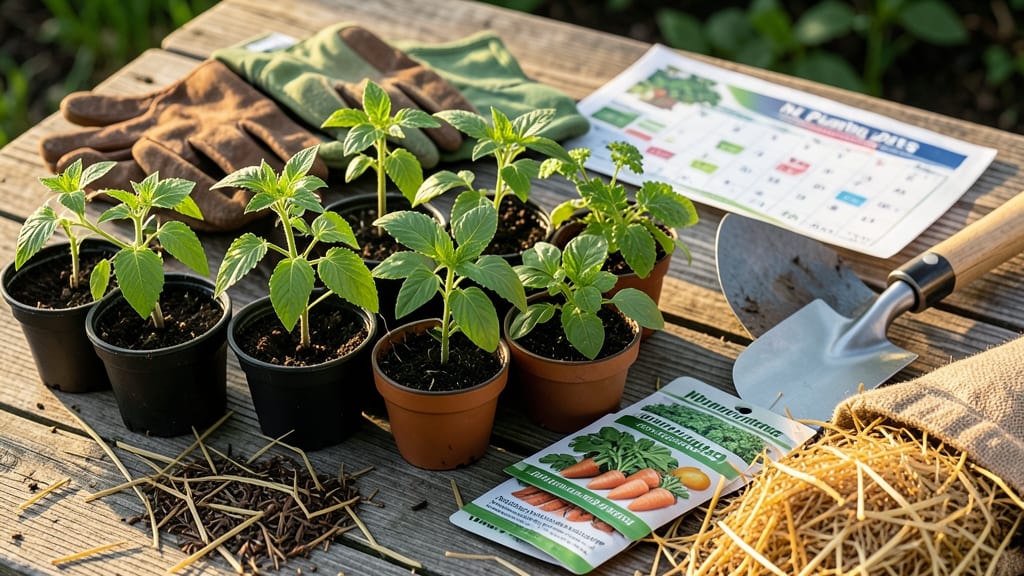
Planting a vegetable garden in New Jersey at the wrong time means watching your hard work wither before it even begins.
Whether you're a first-time gardener or a seasoned green thumb, timing is everything—especially when dealing with 6a-7b zone frosts that can turn a thriving garden into a sad memory overnight.
From mid-March to mid-June, cool-season crops like spinach and peas can start early, while warm-season favorites like tomatoes and peppers need to wait until after the last frost—usually around April 15.
But here’s the catch: even with the right dates, NJ’s unpredictable weather can throw a curveball. Let me show you how to navigate these challenges and maximize your harvest from spring to fall.
You’ll discover the exact planting windows for your favorite veggies, how to adjust for North vs. South Jersey microclimates, and when to start seeds indoors versus direct-sowing. Plus, I’ll share my top tips for extending your growing season so you can enjoy fresh 🥬 well into November.
No more guessing games—just a clear, actionable plan to turn your NJ garden into a year-round bounty. Let’s get those seeds in the ground the right way, the first time.
NJ’s cold-hardy vegetable planting schedule: frost dates & hardiness zones
New Jersey’s USDA hardiness zones 6a-7b create a unique gardening puzzle—where late spring frosts can linger into May, but summer heat arrives early. The key to success? Planting cold-hardy vegetables like kale, spinach, and peas at the right time to capitalize on NJ’s 165-200 frost-free days.
These resilient crops thrive when soil temperatures hover between 40°F and 75°F, making them perfect for early spring and fall planting.
For most of NJ, the average last frost date falls around April 15, but northern regions (like Zone 6a) can see frosts as late as May 1. Southern areas (like Zone 7b) often warm up faster, giving gardeners an earlier window.
To avoid frost damage, time your cool-season crops to mature before the first frost in late October.
Here’s your NJ-specific planting timeline for cold-hardy vegetables, broken down by hardiness zone and soil temperature requirements. Use this as your guide to maximize harvests before summer heat sets in.
For Zone 6a gardeners in northern NJ (think Bergen County or Sussex County), start peas and spinach as early as mid-March under row covers to protect from late frosts.
Soil temperatures in these areas often stay below 50°F until late April, so wait until then to plant potatoes or kale.
In Zone 7a (like Merc
Warm-season vegetables in NJ: when to start indoors vs. direct-sow after frost
New Jersey’s warm-season vegetables—like tomatoes, peppers, and cucumbers—demand precision timing to thrive. Plant too early, and you’ll risk frost damage or stunted growth from cool soil. Start too late, and your harvests may suffer from heat stress or bolting.
The key is balancing indoor seed-starting with outdoor transplanting after the last frost, typically around May 15 in most of NJ.
For tomatoes and peppers, which need a long growing season, I always start seeds indoors 6-8 weeks before the last frost date.
This gives them a head start before the May heat arrives. Cucumbers and beans, on the other hand, can often be direct-sown after frost, but timing still matters to avoid bolting or poor yields.
- Tomatoes & Peppers: Start indoors March 15-April 1 (6-8 weeks before last frost). Transplant outdoors after May 15 when soil is 60°F+.
- Cucumbers & Zucchini: Direct-sow April 20-May 10 after frost. Avoid planting too early—cool soil slows germination.
- Green Beans: Sow directly May 15-June 1. Succession plant every 2 weeks for continuous harvests.
- Basil: Start indoors March 20-April 10 or direct-sow after May 15. Cold snaps will kill it.
- Heat Tolerance Tip: Use row covers for early plantings to protect from late frosts, but remove them when temps exceed 80°F.
Transplanting warm-season veggies is an art in NJ. I always harden off seedlings for 7-10 days before moving them outside—gradually exposing them to afternoon sun and wind. For tomatoes and peppers, bury the stem up to the first leaves to encourage root growth.
This helps them establish faster in NJ’s heavy clay soil, which can stress young plants.
Watch out for heat spikes after transplanting. If temps soar above 90°F, provide shade cloth for a few weeks to prevent blossom drop in tomatoes or bitter peppers.
Mulching with straw or grass clippings keeps roots cool and retains moisture—critical in NJ’s summer droughts. I’ve lost entire cucumber plants to wilting because I skipped this step!
For succession planting, I direct-sow green beans every 2 weeks from May through July. This ensures a steady harvest before the fall frost. Similarly, bush beans can handle NJ’s heat better than pole beans, which may struggle in humid summers.
Always choose heat-tolerant varieties like ‘Heatmaster’ tomatoes or ‘Jalapeño M’ peppers for better success.
Timing isn’t just about dates—it’s about soil temperature. Use a soil thermometer to confirm it’s 60°F+ before transplanting warm-season crops. Cool soil slows germination and weakens seedlings. In South Jersey, where springs warm faster, you can plant 1-2 weeks earlier than North Jersey.
Pay attention to microclimates too—urban areas may stay cooler longer than rural spots.