
Plants
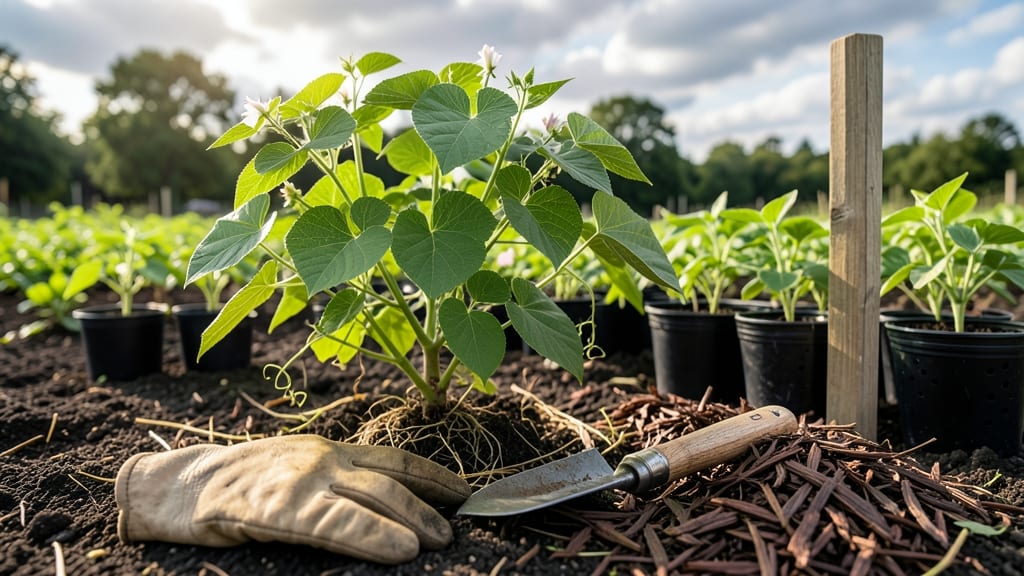
Planting green beans in Missouri isn’t just about picking a date—it’s about outsmarting the state’s unpredictable spring weather before your 🌱 seeds even sprout. Get the timing wrong, and you’ll face stunted plants or lost harvests; nail it, and you’ll enjoy crisp, homegrown beans all summer long.
Missouri’s USDA zones 5b-6b mean your window for success is tight: soil needs to hit 60°F before seeds go in, and frost can still linger until mid-April.
I’ll show you exactly when to plant—whether you’re in St. Louis’s urban heat island or rural areas with cooler nights—to avoid common mistakes that waste your efforts.
Direct sowing is the way to go, but knowing when to start makes all the difference. We’ll cover the ideal planting dates, how to adjust for late frosts, and even a fall planting trick for a second harvest. No more guessing—just reliable sprouts and a garden you can count on.
Ready to turn Missouri’s climate into your advantage? Let’s break down the soil temperature rules, regional tweaks, and pro tips that’ll have your green beans thriving from June through October.
Missouri green bean planting calendar: soil temperature rules for success
Missouri gardeners know timing is everything—especially when it comes to green beans. These warm-season plants need the perfect soil temperature (between 50–60°F) to sprout reliably. Plant too early, and frost will kill your seedlings; too late, and you’ll miss the peak harvest window before summer heat sets in.
Missouri’s USDA zones 5–7 add another layer of complexity, with northern regions needing earlier starts than southern areas.
Most Missourians aim for late April to mid-May for spring plantings, but your exact date depends on soil warmth, not just the calendar. Use a soil thermometer to confirm temperatures—if it’s below 50°F, wait.
For fall plantings, shoot for August to early September, giving beans time to mature before the first frost (mid-October in most zones).
Here’s the critical rule: Green beans won’t germinate in cold soil, but they also struggle in extreme heat (above 85°F). Missouri’s unpredictable spring makes this tricky—one week might bring frost, while the next hits 80°F. The key is monitoring soil temps and adjusting your planting schedule accordingly.
🌱
| Planting Window | Soil Temp Requirement | USDA Zone 5 | USDA Zone 6 | USDA Zone 7 |
|---|---|---|---|---|
| Spring Planting | 50–60°F (minimum) | Mid-April to May 1 | Late April to May 10 | Early April to May 15 |
| Fall Planting | 55–65°F (ideal) | August 1–15 | August 10–25 | August 15–September 1 |
| Last Frost Date | N/A (soil-dependent) | April 15 (avg.) | April 1 (avg.) | March 20 (avg.) |
| First Frost Date | N/A (soil-dependent) | October 15 (avg.) | October 20 (avg.) | November 1 (avg.) |
| Adjustment Tip | Use black plastic mulch | Warms soil faster | Extends fall season | Prevents heat stress |
If you’re in northern Missouri (Zone 5), start seeds indoors 2–3 weeks before your target outdoor date to give them a head start. For southern Missouri (Zone 7), you might even squeeze in an early spring planting by using row covers to protect seedlings from late frosts.
Always check your local frost dates—Missouri’s can vary by 2–3 weeks from year to year.
For direct sowing (the preferred method for green beans), wait until the soil is consistently above 60°F for at least 5 days. This usually aligns with late April to early May, but don’t rush—cold soil delays germination by weeks.
Pro tip: Plant bush beans (like ‘Blue Lake’) slightly earlier than pole beans, as they’re more cold-tolerant.
Heatwaves can also throw off your timing. If temperatures soar above 85°F before your beans are established, they’ll bolt (go to seed) prematurely. To avoid this, plant a second crop in late July for a fall harvest.
This works especially well in Zone 6 and 7, where summers are long enough to support two plantings.
🌿
Don’t forget to test your soil before planting—green beans thrive in slightly acidic to neutral soil (pH 6.0–7.0). If your soil is too alkaline, amend it with compost or peat moss to improve drainage and nutrient uptake.
Well-drained soil is non-negotiable for green beans, as soggy conditions lead to root rot and poor germination.
For urban gardeners in St. Louis or Kansas City, microclimates can shift your planting window by 1–2 weeks. South-facing walls or pavement can create warmer pockets, while shaded areas stay cooler.
Use these microclimates to your advantage—plant heat-loving varieties like ‘Contender’ in warmer spots and cool-season types like ‘Kentucky Wonder’ in shadier areas.
Finally, keep a planting journal to track your success. Note when you planted, soil temps, and any unexpected weather. Over time, you’ll refine your schedule to match Missouri’s unpredictable patterns
How to time green bean planting for Missouri’s microclimates (St. louis vs. Kansas City vs. rural areas)
Missouri’s urban heat islands and rural microclimates create wildly different planting windows for green beans. In St. Louis, concrete jungles trap heat, delaying safe planting until mid-May—while rural areas can start as early as late April.
Kansas City’s high humidity slows germination, requiring extra soil warmth for success.
Your location dictates soil temperature needs and frost risk. St. Louis’ last frost averages April 15, but urban pockets may see frost until May 1.
Rural zones often escape frost by April 10, giving you a 3-week head start. Kansas City’s moist air means seeds need 60°F+ soil to avoid rot.
Here’s how each region’s climate affects your planting strategy:
For St. Louis gardeners, urban heat islands mean waiting longer—plant blue lake beans, which tolerate heat better. In Kansas City, prioritize dwarf varieties like ‘Mascotte’ to handle humidity without sprawling. Rural areas can grow pole beans like ‘Kentucky Wonder’ for extended harvests.
Missouri’s fall planting window (August–September) works best in rural zones, where cooler nights help beans mature before frost. St. Louis’ heat may limit fall crops to shorter-season varieties like ‘Blue Lake.’ Always test soil temps with a soil thermometer—green beans won’t germinate below 50°F.
Pro tip: Succession plant every 2 weeks in rural areas for continuous harvests. In cities, focus on one heavy planting in late May to avoid summer pests. Adjust mulch thickness—thicker in cities (to cool roots) and thinner in rural areas (to warm soil faster).
🌱