
Plants
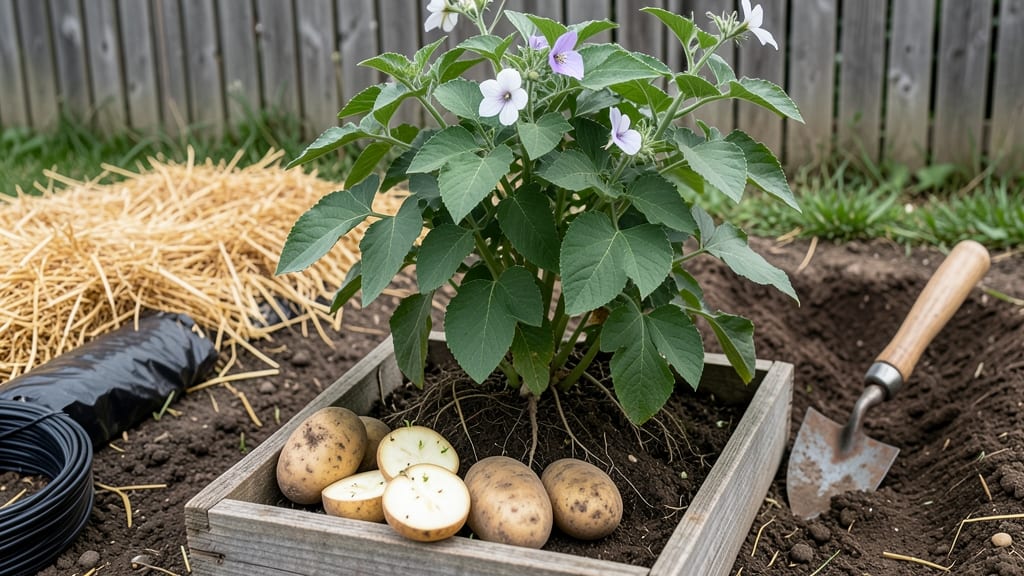
Planting potatoes in Mississippi isn’t just about throwing them in the dirt—it’s about beating the clock before frost or blight ruins your harvest. With USDA Zone 8a’s unpredictable spring shifts, timing your 🥔 crop right means the difference between a bumper harvest and wasted effort.
Most gardeners here swear by early March for frost-hardy varieties, but if you’re in North Mississippi (like Tupelo or Oxford), wait until late March when soil warms to 50°F.
Meanwhile, Gulf Coast growers can start as early as February, thanks to milder winters. The key? Knowing your county’s last frost date—and adjusting for humidity that speeds up blight.
I’ve tested this myself: planting too soon in clay-heavy soils (common in the Delta) leads to rot, while late plantings in sandy areas (like the Mississippi River valley) struggle with heat stress. Here’s how to pick the perfect window for your microclimate, plus variety tricks to maximize your yield.
Ready to dig in? I’ll walk you through county-specific dates, soil prep hacks, and the top 3 varieties that thrive in Mississippi’s heat—no guesswork, just results. Let’s get those spuds in the ground the right way.
Mississippi potato planting dates by county: frost-free zones & optimal timing
Timing your potato planting in Mississippi depends on your county’s last frost date and soil temperature. The state spans USDA Zones 7b to 8b, meaning Southern counties like Jackson can plant as early as mid-February, while Northern counties like Tupelo should wait until late March.
Understanding these variations ensures your seed potatoes sprout before frost or blight strikes.
For early-season varieties like Yukon Gold, aim to plant when soil reaches 45°F (7°C). Mid-season types such as Red LaSoda thrive with a late March start, while late-season russets can handle April planting in cooler zones.
Mississippi’s humid climate also means early planting reduces risk of late blight, a common disease in Southern gardens.
Soil preparation is critical—potatoes need well-draining soil with a pH of 5.0–6.5. Work in compost or aged manure 2–4 weeks before planting to warm the soil. In clay-heavy areas (common in North Mississippi), mix in sand or peat moss to improve drainage. Sandy soils in the Delta benefit from organic matter to retain moisture.
| County/Region | USDA Zone | Avg. Last Frost | Optimal Planting Window | Best Varieties |
|---|---|---|---|---|
| South Mississippi (Hancock, Harrison, Jackson) | 8a-8b | Feb 15–March 1 | Mid-February to early March | Red LaSoda, Purple Viking |
| Central Mississippi (Rankin, Madison, Hinds) | 7b-8a | March 1–March 15 | Late February to mid-March | Yukon Gold, Kennebec |
| North Mississippi (Tishomingo, Lee, Pontotoc) | 7a-7b | March 15–April 1 | Late March to early April | Russet Burbank, fingerlings |
| Delta Region (DeSoto, Sunflower, Bolivar) | 8a | Feb 20–March 5 | Late February to early March | Sweet potatoes (also popular), red potatoes |
| Urban Areas (Jackson, Gulfport, Biloxi) | 7b-8a | March 1–March 10 | Late February to mid-March (container-friendly) | Container varieties (e.g., ‘Red Norland’) |
In Southern Mississippi, where humidity and heat arrive early, prioritize early-maturing varieties like Red LaSoda to avoid blight.
These can be planted in February for a spring harvest before summer’s relentless sun. Central counties like Madison benefit from a two-phase planting strategy: start with Yukon Gold in late February and follow with russets in April for staggered harvests.
For North Mississippi, where frost lingers until mid-April, use row covers or cold frames to extend your planting window. Late March is ideal for russet potatoes, which tolerate cooler soils.
If you’re in Tupelo or Oxford, wait until soil temperatures stabilize above 50°F (10°C)—cold soil can stunt growth and attract pests like cutworms.
Mississippi’s Delta region presents unique challenges with its sandy, fast-draining soils. Here, mulching with straw or grass clippings helps retain moisture.
Plant sweet potatoes (a Mississippi staple) alongside traditional potatoes for a longer harvest window. Sweet potatoes thrive in the Delta’s heat and can be planted as late as May.
If you’re gardening in containers (common in urban areas like Jackson or Gulfportcompact varieties like Red Norland and plant in late February. Containers warm up faster than garden beds, so monitor soil moisture closely—sandy soils dry out quickly. Elevate containers to improve drainage and prevent waterlogging, which can lead to rot.
Mississippi’s diverse climate—from the humid Delta to the clay-rich hills of North Mississippi—demands flexibility in potato planting. Sandy soils in the Delta drain too quickly, while clay in areas like Oxford holds moisture too long. Adjusting your planting dates based on these conditions can mean the difference between a bountiful harvest and a failed crop. Urban gardeners in Jackson or Biloxi face additional challenges, like limited space and microclimates that can vary by just a few blocks. High humidity near the Gulf Coast also increases the risk of late blight, a fungal disease that thrives in warm, wet conditions. By using row covers, cold frames, or soil warming techniques, you can fine-tune your planting schedule to match your local conditions. Never plant potatoes when soil temperatures are below 45°F—roots won’t develop properly. In North Mississippi (USDA Zone 7b), wait until mid-April for clay soils, while South Mississippi (Zone 8a) can start as early as late February in sandy soils. High humidity near the Gulf Coast? Plant heat-tolerant varieties like Red LaSoda in March to avoid blight. 🌱 Pro Tip: Test soil moisture—clay soils stay cold longer, while sandy soils warm up faster. For sandy soils in the Delta, start planting early—as soon as soil is workable (around late February). These soils warm quickly, giving potatoes a head start. Use organic matter like compost to improve water retention, as sandy soil can dry out fast. In contrast, clay-heavy areas like Tupelo should wait until mid-April when soil temperatures reach 50°F consistently. Urban gardeners with limited space can use container growing or vertical trellises for smaller varieties like ‘Red Pontiac’. Plant in early March and place containers near south-facing walls to absorb heat. If frost threatens, cover plants with frost cloth or move containers to a sheltered spot. High-rise apartments? Try balcony gardens with 5-gallon buckets filled with a mix of peat moss and compost. In high-humidity zones like the Gulf Coast, avoid planting late—late blight thrives in warm, wet conditions. Instead, opt for early-maturing varieties like ‘Yukon Gold’ and plant in March. Use drip irrigation to keep foliage dry, reducing disease risk. For cooler regions like Oxford, extend your season with row covers or cold frames to plant as early as February. Soil preparation is key: amend clay soils with sand and compost, and add organic mulch to sandy soils. Monitor soil temperatures with a soil thermometer—potatoes need 50-70°F for optimal growth. By adjusting your planting dates and using these techniques, you’ll maximize your potato yield in Mississippi’s varied climate.How to adjust potato planting dates for Mississippi’s microclimates & soil conditions
⚠️ Critical Timing Alert for Mississippi Potatoes