
How To
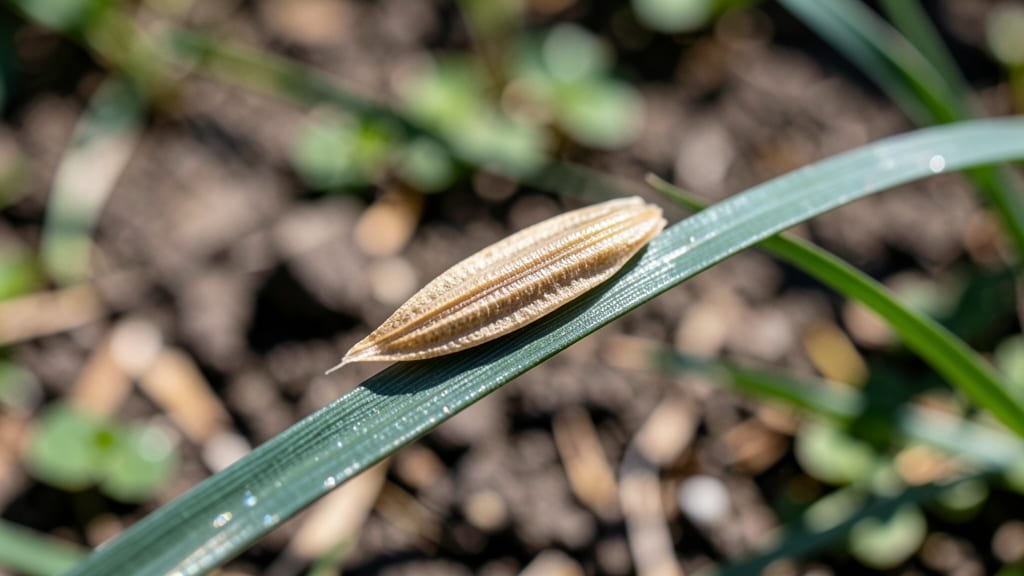
Planting your 🌱 centipede grass seed at the wrong time in North Carolina can turn your dreamy green lawn into a frustrating waiting game. Unlike cool-season grasses, this heat-loving variety needs warm soil and consistent temperatures to take root—any earlier, and frost will kill your efforts before they begin.
Most gardeners focus on the calendar, but the real magic happens 65°F+ soil temperatures, typically kicking in by mid-May in zones 7b-8a. That’s when your seeds will finally wake up from dormancy and start growing instead of sitting idle.
Skipping this step means slower germination and weaker grass that struggles to beat the summer heat.
In this guide, I’ll break down the exact window—late spring to early summer—and how to use your local last frost date (usually around March 15) as a starting point.
You’ll also learn how to prep your soil, avoid common pitfalls, and give your lawn the best possible start for a thick, low-maintenance carpet of green.
Whether you’re in Raleigh, Charlotte, or Asheville, timing is everything. Let’s get your centipede grass off to the right start—no more guesswork, just a lush lawn you can be proud of.
North Carolina’s ideal centipede grass planting window: soil temp & last frost dates
Centipede grass (Eremochloa ophiuroides) thrives in North Carolina’s warm climate, but planting it at the wrong time can lead to poor germination or even death. The perfect window for seeding is after the last frost date when soil temperatures consistently reach 65°F or higher.
This typically falls between late April and early June, depending on your specific region within the state.
North Carolina spans USDA hardiness zones 7a to 8b, which means frost dates and soil warming vary significantly. For example, Asheville (zone 7a) usually sees its last frost around April 15, while Raleigh (zone 7b) and Charlotte (zone 8a) often clear frost by March 20-25.
Timing your planting correctly ensures your centipede grass gets a strong start before summer heat sets in.
Soil temperature is the most critical factor—centipede grass seeds won’t germinate well below 65°F. Use a soil thermometer to check temperatures at a depth of 2-4 inches. If the soil is cooler than 65°F, wait a few weeks or use a lightweight row cover to warm the soil faster. Patience here pays off with faster, healthier growth.
Here’s a quick reference for your region’s ideal planting window based on last frost dates and soil temperature thresholds:
| Region | USDA Zone | Last Frost Date | Ideal Planting Window | Soil Temp Threshold |
|---|---|---|---|---|
| Asheville | 7a | April 15 | Late April - Early May | 65°F+ |
| Raleigh | 7b | March 20-25 | Late March - Early June | 65°F+ |
| Charlotte | 8a | March 15 | Early April - Mid-June | 65°F+ |
| Coastal NC (e.g., Wilmington) | 8b | February 28 | Mid-March - Late June | 65°F+ |
If you’re in a cooler microclimate (like the mountains), aim for late April to early May to avoid late frosts. In warmer zones like Charlotte or the coast, you can start as early as mid-March, but always confirm soil temperatures.
Pro tip: Check the NC State Extension Service for your county’s specific frost dates—local data beats general rules every time.
Once your soil hits 65°F, act quickly! Centipede grass seeds germinate best within 7-14 days when conditions are ideal. If you plant too early and a late frost hits, your young seedlings can suffer frost damage or even die.
Conversely, planting too late (after June) risks summer heat stress, which can stunt growth before your lawn establishes properly.
For extra insurance, use a seed starter blanket or row cover if you’re planting near the edge of your ideal window. This adds 2-4°F of warmth to the soil, helping seeds germinate faster.
Just remove the cover once sprouts appear to avoid overheating. Think of it as giving your centipede grass a warm hug to kickstart its growth.
Remember, centipede grass is slow to establish—it can take 6-12 months to fill in completely. Starting it at the right time ensures it has enough root development before summer’s heat and winter’s dormancy. Plan ahead, and you’ll be rewarded with a dense, low-maintenance lawn that thrives in NC’s climate.
🌱
Step-by-step guide: preparing your lawn for centipede grass seed planting
Preparing your lawn for centipede grass seed in North Carolina requires careful planning to ensure strong germination and growth. The key is creating the right conditions—soil pH 5.0–5.5, weed-free ground, and proper aeration—before the first seeds hit the soil.
Skipping these steps can lead to sparse coverage or even failed germination, especially in NC’s humid climate.
Centipede grass thrives in warm soil temperatures (65°F+), so timing your prep work is critical. If you rush, you risk planting too early and exposing tender seedlings to late spring frosts or too late and stressing roots before summer heat sets in.
Let’s break down the exact steps to get your lawn ready for success.
✅ Step-by-Step Prep for Centipede Grass Seed
- 1 Test Soil pH: Use a soil test kit to confirm pH is 5.0–5.5. Centipede grass struggles in alkaline soil. Adjust with sulfur if needed.
- 2 Clear Weeds & Debris: Remove all weeds, rocks, and dead grass using a lawn rake or manual weeding tool. Weeds compete for nutrients.
- 3 Aerate the Soil: Rent a core aerator to create 3–4 inch deep holes. This improves seed-to-soil contact and root growth in compacted NC clay soils.
- 4 Apply Pre-Plant Fertilizer: Spread a low-nitrogen fertilizer (e.g., 10-10-10) at ½ lb per 1000 sqft. Avoid high nitrogen—it burns young seedlings.
- 5 Level the Soil: Fill aeration holes with topsoil and rake to create a smooth, even surface. Centipede grass seeds need good contact with soil to germinate.
- 6 Lightly Water Before Planting: Moisten the soil 1 inch deep the day before seeding. This helps seeds stick and germinate faster in NC’s heat.
One of the biggest mistakes I see is skipping soil aeration in heavy clay soils common across North Carolina. Compacted soil blocks root growth, leaving your centipede grass weak and patchy. Another common error? Over-fertilizing before planting. Too much nitrogen can burn seeds and delay germination by 1–2 weeks.
After prepping, scatter your centipede grass seed evenly using a broadcast spreader. Lightly rake the seeds into the soil (¼ inch deep) and water gently to settle them. Keep the soil moist but not soggy—aim for 1 inch of water per week until germination (typically 10–21 days).
Mulching with straw can help retain moisture in NC’s summer heat.
Remember, centipede grass is slow to establish compared to other grasses. Give it time to root before expecting full coverage. With the right prep, you’ll see lush, green growth by late summer—just in time for North Carolina’s peak lawn season! 🌱