
How To
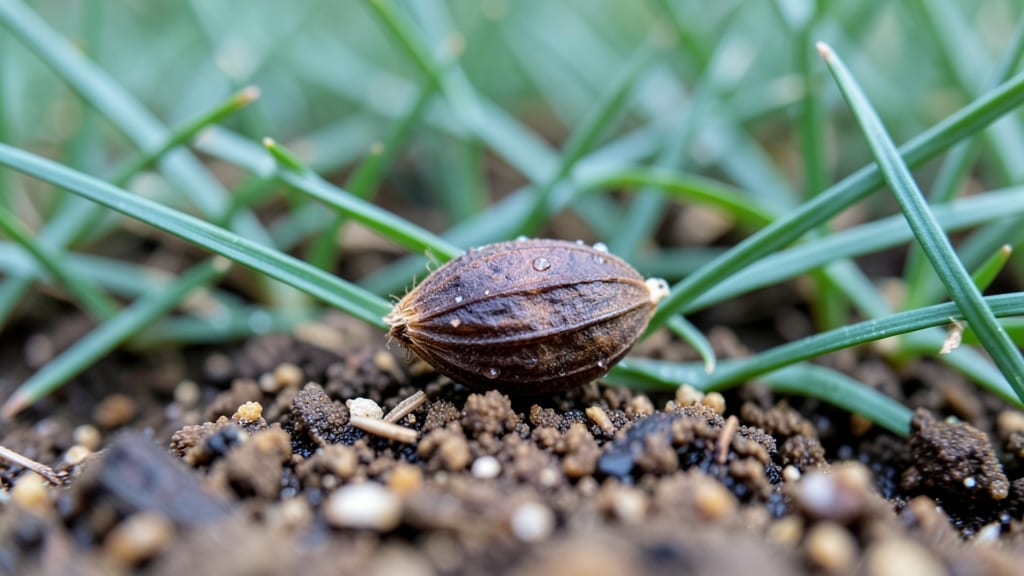
Planting centipede seed at the wrong time in Georgia can mean the difference between a lush, green lawn and wasted effort. The late spring window—when soil temperatures hit 80°F—is your golden opportunity, but regional differences in frost dates and heat can complicate things.
If you’ve ever stared at your calendar wondering, "Is it too early or too late?" you’re not alone. Centipede grass (🌱) thrives when the ground is warm, but planting before the last frost (usually March 15) risks seed loss.
This guide breaks down the exact timing for North, Central, and South Georgia—plus soil prep secrets to set your lawn up for success.
Why does timing matter so much? Because centipede grass seeds need consistent warmth and moisture to germinate, and Georgia’s microclimates mean what works in Atlanta might fail in Savannah.
I’ll show you how to check soil temperature, adjust for your zone (7b-8b), and avoid common mistakes that kill germination before it starts.
Ready to skip the guesswork? Let’s dive into the frost-free timeline and soil conditions that turn your seed into a thriving lawn—without the trial and error. Your perfect centipede grass starts here.
Georgia’s ideal centipede grass planting timeline by region
Centipede grass thrives in Georgia’s heat, but getting the planting timing right is crucial for strong germination. Unlike cool-season grasses, centipede needs warm soil temperatures (80°F+) to sprout successfully. Planting too early risks frost damage, while waiting too long can stress young seedlings during summer heat.
Georgia’s three distinct regions—North (Atlanta), Central (Macon), and South (Savannah)—each have unique frost-free windows. Understanding these differences ensures your centipede grass establishes before summer’s intense heat sets in. Let’s break down the ideal planting windows by region.
Here’s a quick comparison of when to plant centipede seed in Georgia’s key regions, including soil temperature thresholds and average last frost dates:
For North Georgia (Atlanta), aim to plant centipede seed after April 15 when soil temperatures consistently reach 80°F. The region’s later frost dates mean you’ll have a shorter window—typically 4-6 weeks—before summer heat arrives. Use a soil thermometer to verify warmth before planting.
In Central Georgia (Macon), the planting window extends slightly longer due to milder spring transitions. Start seeding around April 15 and continue through late May. This region benefits from moderate rainfall, but supplemental watering may be needed during dry spells to maintain consistent soil moisture.
Southern Georgia’s longer frost-free season (Savannah) allows for the most flexibility. Plant centipede seed as early as early April or push it to mid-June for fall establishment. However, avoid planting in peak summer heat (July-August), as seedlings struggle to establish under intense sunlight.
Regardless of region, always test soil temperature at 6 inches deep using a thermometer. Centipede grass seeds won’t germinate below 75°F, and optimal conditions require 80°F+. If your soil is too cool, wait 1-2 weeks or use black plastic mulch to warm it faster.
Pro tip: In North Georgia, consider using starter fertilizer with phosphorus (P) to boost root development during the shorter growing window. Central and Southern regions can skip this step unless your soil tests show deficiencies.
After planting, maintain 1 inch of water weekly for the first 4 weeks to encourage deep root growth. Centipede grass is drought-tolerant once established, but young seedlings need consistent moisture to prevent stress.
Remember, centipede grass spreads slowly—don’t rush the process. Patience during the first 6-8 weeks ensures a thick, healthy lawn that thrives in Georgia’s heat. With the right timing, your centipede grass will establish just as summer’s intensity peaks.
Soil temperature and moisture requirements for centipede seed success
Centipede grass thrives in Georgia’s heat, but soil temperature and moisture balance are critical for seed germination. Unlike cool-season grasses, centipede seeds need warm soil—at least 65°F (18°C)—to sprout successfully. Planting too early when soil is still cool can delay germination by weeks or even kill the seeds.
To check your soil’s readiness, use a soil thermometer buried 2-3 inches deep. Aim for 70-75°F (21-24°C) for optimal seedling emergence. In Georgia, this typically aligns with late April to early May in most regions, but southern areas like Savannah may see earlier planting windows.
| Requirement | Specification | Action |
|---|---|---|
| Soil Temperature | 65°F+ (18°C+) | Test with thermometer; wait for consistent warmth |
| Optimal Moisture | 60-70% saturation | Water deeply 2-3x/week; avoid waterlogging |
| pH Level | 5.0-5.5 | Test soil; amend with sulfur if needed |
| Pre-Plant Tilling | 3-4 inches deep | Loosen soil 1-2 weeks before planting |
| Fertilizer | Low-nitrogen (10-0-10) | Apply 0.5 lbs per 100 sqft 2 weeks before planting |
Before planting, prepare your soil by tilling to a depth of 3-4 inches to improve aeration and root penetration. Centipede grass prefers sandy loam with good drainage, so avoid heavy clay soils unless amended with compost.
A light application of fertilizer (10-0-10 NPK) two weeks before planting provides essential nutrients without overwhelming the seeds.
Moisture is just as critical as temperature. Centipede seeds need consistent moisture to germinate, but overwatering can suffocate them. Aim for 60-70% soil saturation—water deeply 2-3 times per week until seeds sprout, then taper to 1 inch per week once established.
Use a moisture meter to monitor levels, especially in Georgia’s humid climate where evaporation can be rapid.
After sowing, cover seeds with ¼ inch of fine soil and keep the area moist but not soggy. Mulch lightly with straw to retain moisture and prevent crusting. Avoid walking on the bed until seedlings are 2-3 inches tall to prevent damage.
In Georgia’s heat, shade cloth (30-50%) can help protect young seedlings from intense afternoon sun.
Monitor soil temperature daily in the days leading up to planting. If temperatures dip below 60°F (15°C), delay planting until conditions stabilize. Centipede grass seeds can remain viable in the soil for up to 2 years, so don’t rush—patience ensures stronger, healthier growth.
With the right soil prep and moisture management, your centipede lawn will establish quickly and thrive in Georgia’s climate. 🌱