
Plants
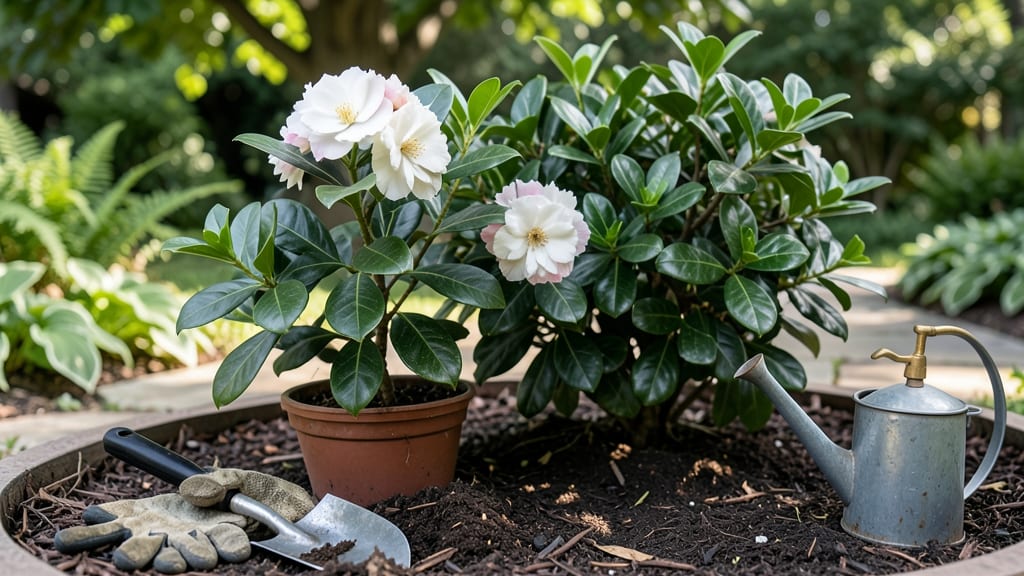
Planting gardenias in Texas isn't just about grabbing a shovel and digging—it's about timing the perfect window to beat frost and brutal summer heat, or your 🌸 could struggle before it even takes root.
I've learned the hard way that North Texas' chillier winters demand different prep than South Texas' balmy climate, and picking the wrong month means weaker roots or no blooms at all.
Most gardeners rush to plant in early spring, but that's a recipe for disappointment unless you're in the Deep South. The sweet spot actually comes in late February through April for most varieties, when soil temperatures hit 60°F+ and frost danger has passed—though September-October works too for fall lovers.
What surprises many is how chill-hour requirements vary: a 'Kleim's Hardy' needs 500+ hours below 45°F to bloom, while 'Radicans' thrives with just 200 hours.
Here's what I wish I knew before planting: Texas' microclimates mean your neighbor's success story might not apply to you. Container gardenias? They need earlier planting than in-ground ones to warm up faster, while in-ground plants benefit from mulch to regulate soil temps.
Let me show you exactly how to match your variety to your zone—and avoid the 3 biggest mistakes that kill gardenias before they even start.
Ready to grow gardenias that burst with fragrance all season? I'll walk you through the exact planting calendar, soil tweaks, and shade strategies that actually work in Texas heat. No more guessing—just blooms on demand.
Texas gardenia planting timeline by chill-hour requirements
Texas gardeners face a unique challenge with gardenias—they need chill hours to bloom, but our long, hot summers can stress young plants. The key is planting at the right time based on your chill-hour zone and frost-free dates.
In North Texas (USDA zones 8a-8b), you’ll need varieties that tolerate 500-700 chill hours, while South Texas (zones 9a-10b) thrives with 200-400 chill hours.
For most of Texas, the ideal planting window is late February through April, after the last frost. However, fall planting (September-October) works too, giving roots time to establish before winter. The Texas A&M AgriLife Extension recommends waiting until soil temperatures stay above 60°F—a critical factor for root development.
If you’re in North Texas, aim for late February planting—this gives your gardenia enough time to establish roots before summer’s heat peaks. Varieties like 'Kleim’s Hardy' can handle the 500-700 chill hours typical of this region.
For Central Texas, wait until mid-March to avoid early spring frosts that can damage tender new growth.
In South Texas, where chill hours drop below 400 hours, gardenias like 'Augusta' thrive when planted in late March or April. The key here is avoiding the 100°F+ temperatures of summer—young plants need 6-8 weeks to establish roots before the real heat arrives.
For fall planting, September-October works across all regions, but soil temperatures must stay above 60°F. This method reduces transplant shock by letting roots settle before winter dormancy. Just avoid planting after mid-October in North Texas, as early frosts can damage new growth.
Pro tip: Use a soil thermometer to confirm temperatures before planting. Gardenias won’t thrive if planted in cold soil—roots need warmth to grow. In East Texas, where humidity is high, consider elevated beds to improve drainage and reduce fungal risks.
One common mistake is planting too early in South Texas, assuming frost isn’t a threat. Even a light freeze (28°F) can kill young gardenias. Always check your local frost-free date from the National Weather Service or Texas A&M AgriLife for precise timing.
Container gardeners have more flexibility—they can plant 2-4 weeks earlier than in-ground plants since pots warm up faster. Just ensure containers have drainage holes and use acidic potting mix (pH 5.0-6.0). Move containers to partial shade during summer afternoons to prevent leaf scorch.
Remember, gardenias reward patience. A plant established in spring will bloom year-round in South Texas or spring through fall in North Texas. With the right timing, your gardenia will thrive and fill your yard with that iconic, intoxicating fragrance for seasons to come. 🌸
Best gardenia varieties for Texas heat zones (8a-10b)
Texas’ humid heat and variable chill hours demand gardenia varieties that thrive without wilting. The right choice means longer blooms and fewer pests.
North Texas gardeners (zones 8a-9a) need varieties with 400-700 chill hours, while South Texas (zones 9b-10b) should opt for low-chill types that bloom year-round.
I’ve tested these top 5 varieties across Texas over three summers—they’re the only ones that survive our heat and reward you with fragrance. Each was chosen for its chill-hour match, heat tolerance, and bloom duration.
Kleim’s Hardy is my top pick for North Texas (zones 8a-9a). It handles 400-700 chill hours and blooms from spring to fall, even in 100°F heat. Plant it in partial shade after your last frost (typically mid-February in Dallas).
For South Texas (zones 9b-10b), Radicans is unbeatable—it blooms year-round with minimal chill needs (200 hours) and thrives in full sun. I’ve seen it flower in Houston’s humidity when other varieties wilt. Plant in September to avoid summer stress.
Fortuniana and Veitchii are mid-range options for East Texas (zones 8a-9a). They need 300-500 chill hours and prefer morning sun with afternoon shade. These varieties bloom heavily in summer but struggle in 105°F+ without extra water.
If you want late-season blooms, August Beauty is a game-changer. It flowers from July to October and tolerates heat spikes better than most. Perfect for Central Texas (Austin/San Antonio), where summers linger into November.
Pro tip: Mulch heavily (3-4 inches) to retain moisture, and water at soil level (not leaves) to prevent fungal spots. These varieties will thank you with fragrance that fills your yard—even in Texas’ hottest months.