
Plants
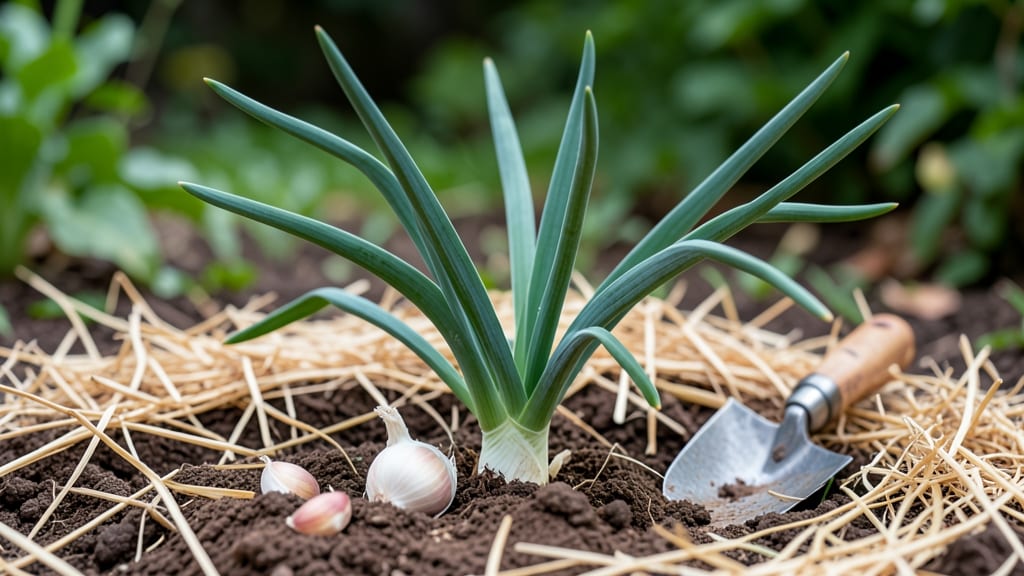
Planting garlic in South Texas isn’t just about throwing cloves in the dirt—it’s about timing them perfectly to beat the heat and avoid bitter, bolted bulbs.
The key to success lies in those crisp fall months when temperatures drop just enough to wake up dormant cloves, but before the winter chill sets in for good.
For South Texas gardeners in zones 9a-10a, the ideal window stretches from October to November, giving your 🧄 the 60-90 days of cool weather it needs to root before the ground warms up again.
Too early, and you risk frost damage; too late, and the garlic will rush to flower instead of forming bulbs. Let’s break down the exact steps to nail your planting schedule.
Why does this matter? Because garlic planted at the wrong time won’t just underperform—it’ll either rot in the soil or shoot up into a sad, inedible stalk. But when you get the timing right, you’re rewarded with bulbs that are plump, flavorful, and ready to harvest by spring.
No more store-bought garlic with weak flavor or questionable origins.
In this guide, I’ll walk you through the optimal planting dates, soil prep tricks, and variety choices that work best for South Texas’s unique climate. Whether you’re a first-time gardener or a seasoned green thumb, these secrets will help you grow garlic that’s the envy of every kitchen.
Optimal fall planting window for South Texas garlic (with exact dates)
South Texas’s mild winters and unpredictable heat make garlic planting a delicate balance. Unlike northern climates, we don’t have harsh freezes to signal the perfect time—soil temperature and microclimate differences between coastal and inland areas dictate success.
Plant too early, and your garlic may sprout prematurely before winter chill sets in. Too late, and the spring heat will trigger bolting before bulbs mature.
The ideal planting window spans just 4–6 weeks, typically from mid-October to early November. This aligns with soil temps dropping to 60–65°F—cool enough for root establishment but warm enough to avoid frost damage.
Coastal areas (like Corpus Christi) can plant slightly later, while inland zones (San Antonio, Austin) should start earlier to account for earlier frosts.
Here’s the critical timeline to follow for zero-bolt, high-yield garlic in South Texas:
| Timeframe | Soil Temp Trigger | Action | Microclimate Notes |
|---|---|---|---|
| Mid-October | 65–70°F | Start planting inland zones (San Antonio, Austin) | Cooler inland areas benefit from earlier start |
| Late October | 60–65°F | Peak planting window (coastal + inland) | Best balance of chill and warmth |
| Early November | 55–60°F | Final planting cutoff (coastal areas only) | Coastal zones stay warmer longer |
| December 1 | Below 55°F | Planting risk increases (bolting likely) | Avoid unless using cold-hardy varieties |
Use a soil thermometer to verify temps—garlic roots need consistent chill (40–50°F nights) to form bulbs, but avoid freezing soil.
Inland areas like San Antonio (Zone 8b) can experience light frosts by December, while coastal Corpus Christi (Zone 9a) rarely dips below 40°F. Adjust your window by 1–2 weeks based on your last frost date (typically January 15 inland, never coastal).
Pro tip: Plant cloves individually (not whole bulbs) with the pointy end up, 2 inches deep. Space them 6 inches apart in rows 12 inches apart to prevent crowding. This spacing ensures adequate airflow, reducing fungal risks like white rot—a common issue in South Texas’s humid winters.
For coastal gardeners, extend your window into early December if using softneck varieties (like ‘Silverskin’), which tolerate slightly warmer soils. Inland gardeners should finish by November 15 to avoid spring heat stress.
Monitor weather forecasts for sudden cold snaps—garlic can handle light frosts (28–32°F) but won’t recover from hard freezes.
After planting, apply 2–3 inches of straw mulch to insulate soil and retain moisture. This is non-negotiable in South Texas, where soil can dry out quickly even in winter. Check mulch levels monthly and replenish if rains wash it away.
By March, you’ll see green shoots—a sign your garlic is thriving and ready for the final growth push before harvest.
Remember: The 4–6 week window isn’t just about dates—it’s about soil conditions. Test your soil’s pH (6.0–7.0 ideal) and add compost for organic matter (aim for 3–5% organic content). Well-prepped soil = plump bulbs and fewer pests like garlic nematodes, which thrive in compacted or nutrient-poor soil.
Once you’ve nailed this window, you’ll harvest full-sized bulbs by April–June, just as South Texas heat ramps up. Store-bought garlic can’t compete with the bold flavor and crisp texture of homegrown—all thanks to perfect timing.
How to avoid garlic bolting in South Texas heat (critical mistakes to skip)
South Texas’s mild winters and sudden heat spikes create the perfect storm for garlic bolting—when plants prematurely flower instead of forming bulbs. The mild USDA Zone 9a-10a climate tricks garlic into thinking spring has arrived, sending up seed stalks before bulbs mature.
Without intervention, your hard work turns into bitter, unusable cloves.
Bolting isn’t just a waste of space—it’s a flavor and yield killer. Once garlic bolts, the bulbs develop a sharp, onion-like taste and often split open.
But with the right soil prep, mulching, and variety choices, you can outsmart South Texas’s climate and grow sweet, plump garlic year after year.
⚠️ callout-warning ⚠️ Critical Mistake Alert: Over-Fertilizing & Planting Too Shallow ❌ DON’T:
- Add high-nitrogen fertilizer (triggers rapid growth = bolting)
- Plant cloves less than 2 inches deep (exposes them to heat stress)
- Use fresh manure (burns roots and stresses plants)
✅ DO:
- Test soil pH (6.0–7.0) before planting
- Use compost or aged manure (3–4 months old)
- Plant cloves 4–6 inches deep for insulation
🌱
The first line of defense against bolting is soil preparation. South Texas soils often lack the organic matter garlic craves, and the alkaline pH (common in our region) can stunt growth.
Aim for 3–5% organic matter by amending with compost or well-rotted leaf mold. For pH, a simple lime addition (if below 6.0) or sulfur (if above 7.0) works wonders.
Next, mulching is non-negotiable in South Texas. Straw mulch (not leaves) is your best bet—it insulates roots from temperature swings, retains moisture, and suppresses weeds. Apply a 4–6 inch layer after planting, and top it off in December to shield cloves from any unexpected cold snaps or early heat spikes.
Avoid thick layers, though; too much mulch can smother plants.
Choosing the right garlic variety makes all the difference. Hardneck varieties (like ‘Music’ or ‘German Red’) are better for cooler climates and bolt more easily in heat. Instead, opt for softneck types like ‘Silverskin’ or ‘Artichoke’, which handle South Texas’s mild winters and sudden warmth better.
These varieties also store longer, giving you homegrown garlic year-round.
Finally, water consistency is key. Garlic hates drought stress or overwatering, both of which trigger bolting. Stick to deep watering once a week (or bi-weekly in winter) and always in the morning to reduce evaporation.
If your soil feels dry 1 inch below the surface, it’s time to water—don’t wait until wilting occurs.